
Kadayawan and only
As a plus, Davao City is extremely safe, and the people are friendly, perhaps because they are so prosperous.

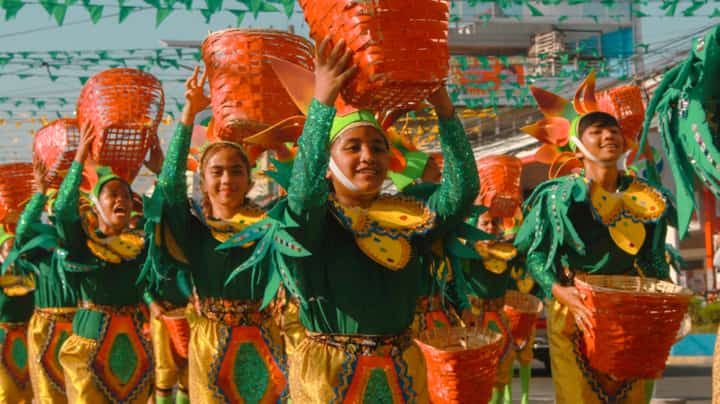
I never knew — until I went to my first-ever Indak-Indak competition — that Mindanaoan mythology is as rich and complex as any Greek epic or Roman legend.
Our Southern brothers have passed on folk tales that tell of the miseries of sibling rivalry, the blight brought by greed, the deception that foments familial strife, and the dangers of abusing Mother Nature — but in the end, the plays show the power of contrition and humility as instruments of forgiveness and reconciliation.
Yet the unbelievable pageantry and carnival of colors of the aforementioned competition, with literally hundreds of performers in their multicolored costumes (Bollywood dancers would be put to shame), is but a part of everything that Kadayawan is in Davao.
Starting as a fiesta called Apo Duwaling Festival, it celebrates the diverse culture of Davao City as represented by its 11 tribes, as well as the four icons of Davao: the Philippine eagle, the durian fruit, Mount Apo and the Waling-Waling orchid (which Win Gatchalian used as an excuse to grab the Senate leadership from Alan Peter Cayetano by ostensibly passing legislation naming it the national flower).
Kadayawan is a huge thing in Davao. It is a month-long celebration where everyone is involved — from merchants big and small who give big discounts on their wares, to food bazaars highlighting the best of Southern Philippine cuisine, to street dancing and free musical concerts.
The overall mood is joyful and lively, and one is easily tempted to overeat (as I did, burp!) and walk all day everywhere, just to imbibe the good vibes. With the full support of the city government, it is hard not to find anything fun according to one’s tastes.
I have attended three other festivals — MassKara in Bacolod City, Higantes in Angono, and the Giant Lantern in Pampanga; no, Festival Mall doesn’t count — and they all have their charms, but there is a distinct cultural aura in Kadayawan.
By the way, the term means “anything excellent that brings great fortune,” according to Davao City’s Tourism Promotions Board, from the root word “dayaw” or “good.” Differently stated in Tagalog, it is “kabutihan.” And since the festivities coincide with durian season, the supply of the King of Fruits is plentiful and cheap, perfect for durian addicts such as I.
As a plus, Davao City is extremely safe, and the people are friendly, perhaps because they are so prosperous. Davao is in the top 20 richest cities in Southeast Asia in terms of GDP. And the variety and uniqueness of the cuisine makes it a foodie heaven, especially when you factor in the extreme freshness of the seafood.
And for the best part: if you are identified as a DDS (Duterte Diehard Supporter), the residents are extra welcoming. You feel it when total strangers shake your hand and even hug you as they thank you for defending Tatay Digong. Yes, the Dutertes are very well-loved here.
The followers of my two shows, “Yes Yes Yo, Topacio” and “Small Talk” (which both air over SMNI), even had pictures taken with me, with expressions of their gratitude for my advocacies.
I would wholeheartedly endorse the experience to everybody for next year. Kadayawan is truly unique, invigorating and truly a one-and-only.