
‘Arki’ meets AI
‘It’s still a double-edged sword, AI. But we all accept that AI is here to stay.’


Architects can explore countless design possibilities in seconds with AI-powered generative design and push the boundaries of creativity while optimizing every aspect of a project.
Artificial Intelligence (AI) is no longer something reserved for science fiction. It has become part of how people work, create and think, and architecture is quickly becoming part of that conversation. From generating concepts to exploring forms and visualizing ideas, AI is giving architects more ways to experiment and expand their creative process.
But does that mean AI is taking over the architect’s role?
For Philippine Institute of Architects (PIA) vice president for Public Affairs Ma. Cynthia Naval, not quite.
“AI will always be a part of all our professions. It’s part of our life,” Naval explained to DAILY TRIBUNE.
While AI is often misunderstood as something that will take over human work, she sees it differently.
“It’s not really taking over,” she said. The architect is still the one thinking and conceptualizing. “You’re still thinking. You’re still conceptualizing. It’s your idea.”
For Naval, AI works more like a creative extension than a replacement. “AI is only refining it. AI is only taking it to another level. But it still comes from me. It comes from the designer.”
That distinction matters in a profession built around ideas. AI can generate possibilities in seconds, but the vision, intention and direction still come from the person behind the design. As Naval puts it, “It makes it easier because AI opens my horizon. It opens my ideas or concepts.”
What begins as a single concept can suddenly take on different forms, dimensions and interpretations. “It becomes versatile. It becomes the dimension. It opens up to a different level.”
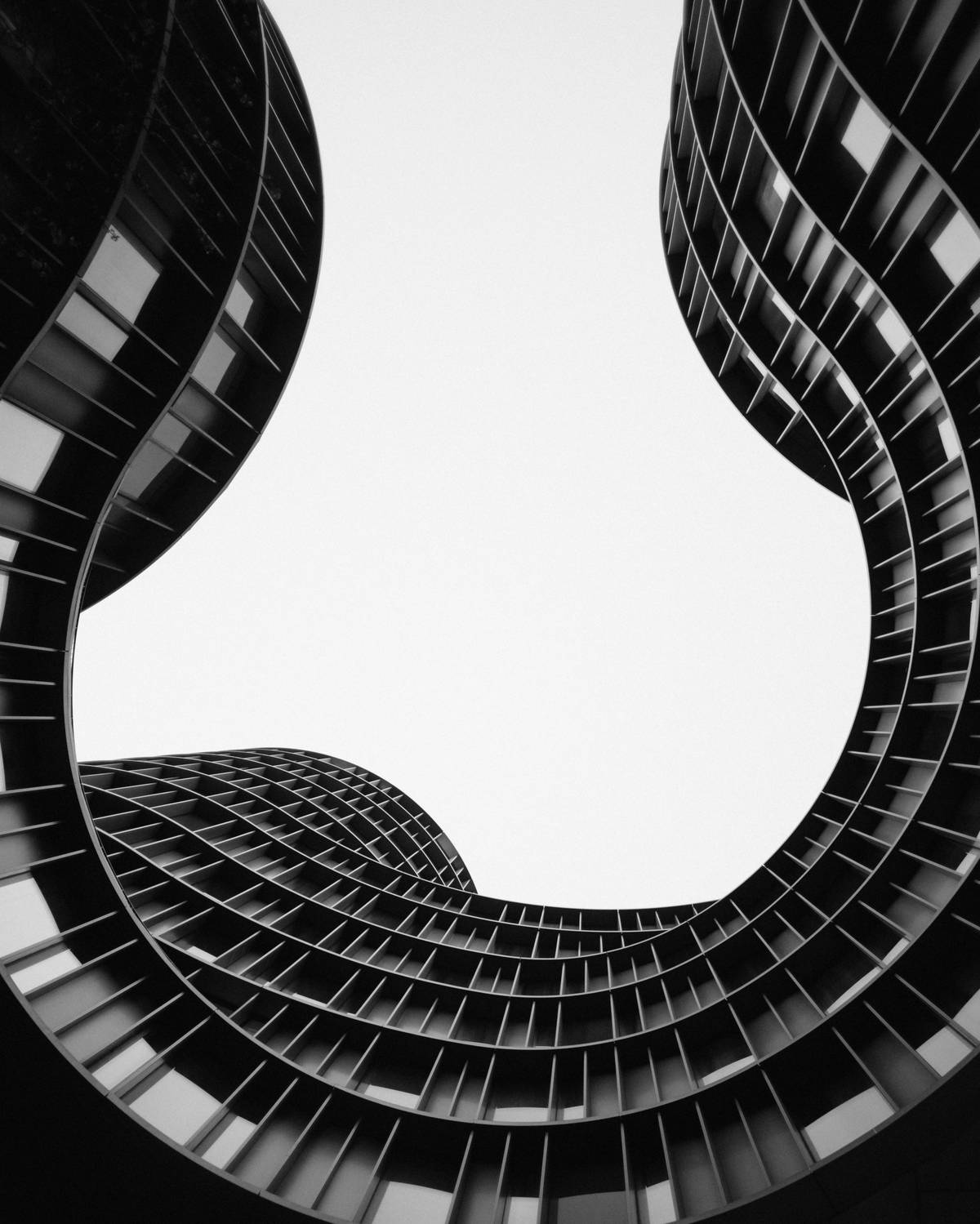
Artificial intelligence is transforming every aspect of architectural design and build processes.
There is, however, one condition: the architect has to remain in control.
“I think it’s good. For as long as you do not allow it to manipulate your thinking, it shouldn’t be like that,” Naval said.
For Jose Pedro Recio, FPIA, vice president for Administration, that balance is where the conversation becomes more complicated.
“It’s still a double-edged sword, AI. But we all acc ept that AI is here to stay.”
Rather than resisting the technology, Recio believes architects need to think carefully about how they bring it into their practice. “It can be disruptive, but you can also use it to your advantage.”
As AI continues to evolve, that responsibility becomes even more important. “Architects just have to be careful, very careful as to how they use it,” Recio said to DAILY TRIBUNE.
His concerns go beyond efficiency and technology. They reach into something much more personal: authorship.
“But then there’s always the question about authorship of designs, drawings being generated by AI. Where is the passion? Where is the heart there for the architect?”
For Recio, the answer is closely tied to his own approach to architecture. “For me, I’m one of those surviving dinosaurs that still does drawings freehand. I don’t use a computer.”
His preference for hand drawing reflects a more tactile relationship with design, one where an idea moves directly from the architect’s mind to the page. “So, to me, AI is almost like a foreign entity as far as I’m concerned. Because I’ll always go back to my freehand drawing no matter what.”
Together, Naval and Recio offer two perspectives on an industry learning to navigate AI. Naval sees the technology as something that can open an architect’s horizons, refine ideas and take concepts “to another level.” Recio sees its potential, but also its risks, particularly when technology begins to blur the line between assistance and authorship.
Perhaps the future of architecture lies somewhere between these two perspectives. AI can expand what architects are able to imagine, but it should not replace the thinking, passion and intention behind the work.
The technology is here to stay.
The question is not whether architects will use AI, but how they will use it without losing the human instinct that makes a design their own.