
An architect’s master touch
‘Hiring an architect provides peace of mind, knowing that he can deliver good quality results.’

Nowadays, when looking for inspirations for your dream house, all you needed to do is to browse the Internet or a magazine. There are also some Filipinos who opt for an expert’s advice given what’s at stake.
Saint Louis University graduate architect Racquel Lopeña, who worked in government and private offices, said that architects can assure clients that they’ll get their money’s worth.
“Architects can work with client’s budgets and open ideas and needs,” Lopeña told DAILY TRIBUNE. “Hiring an architect provides peace of mind, knowing that he can deliver good quality results.”
Meanwhile, heritage architect Mary Rajelyn Busmente said that an architect’s expertise is important as many things are considered before building a house — from the weather down to the residents’lifestyle and habits.
“Yes, the house could look the same as what’s in the photo. But there are so many considerations in designing,” she said. “We can’t just put squares there for windows and doors and consider it as architecture. We think of it as a whole thing.”
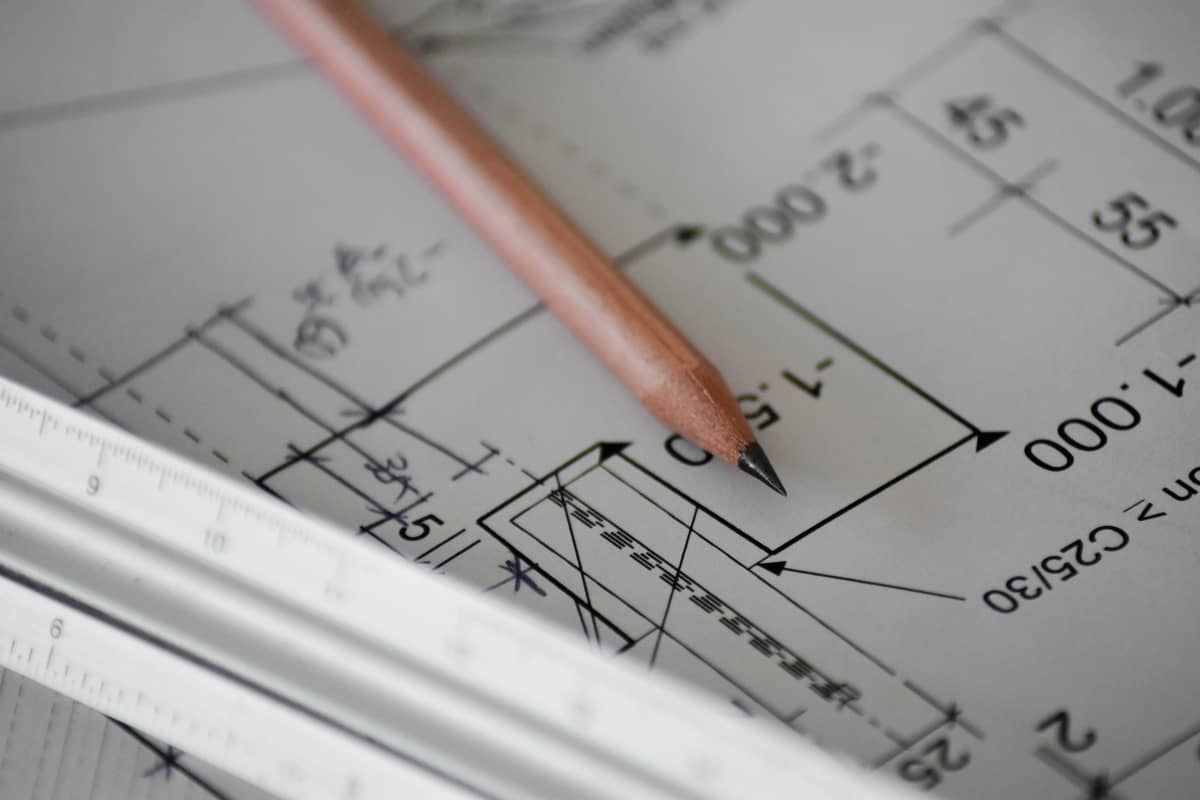
An architect’s sketches.
Photograph courtesy of unsplash/sven mieke
Who’s who
Architects and engineers go hand-in-hand. Licensed Structural Engineer Ronald Alvin Carlos said that architects and engineers have distinct roles that set them apart.
“Generally speaking, in a construction project, each professional has their own bread and butter or field of specialization,” he said in an interview.
Collaboration is important in a construction project — as if orchestrating a movie. An architect serves as the producer, engineers serve as directors, while contractors play as actors. To make it clear, the following are the roles of the experts involved in creating a house:
Architect — An architect is responsible for designing the overall look of the house. Their purpose does not only focus on aesthetics, but also function and cost-efficiency. They assure that everything about the design is custom-made depending on the location of the house, its vicinity, and the lifestyle and needs of the people who will live in it.
Engineers — Following the blueprint that architects make, engineers guarantee the safety and efficiency of the building and construction process. The following are the typical engineers needed in building a house: structural (who ensures the strength of materials), electrical (who focuses on electrical systems and equipment), and sanitary engineers (who focuses on plumbing and waste managem ent systems).
Contractors — Considered the builders of a construction project, they are responsible for physically building the structure based on the plans and specifications that the architect and engineers provide. Architects and engineers can be contractors, but not all contractors are architects or engineers. Some contractors rely solely on groundwork experience.
So how do you know who’s qualified to design and build you a house?
The Supreme Court’s Revised Implementing Rules and Regulations of the National Building Code indicate that only qualified architects may “prepare, sign, and seal architectural documents.”
On the other hand, many fly-by-night contractors advertise themselves on social media and word-of-mouth, when in fact it is illegal. According to Republic Act No. 4566, all contractors must obtain a Philippine Contractors Accreditation Board (PCAB) license to legally participate in construction activities.
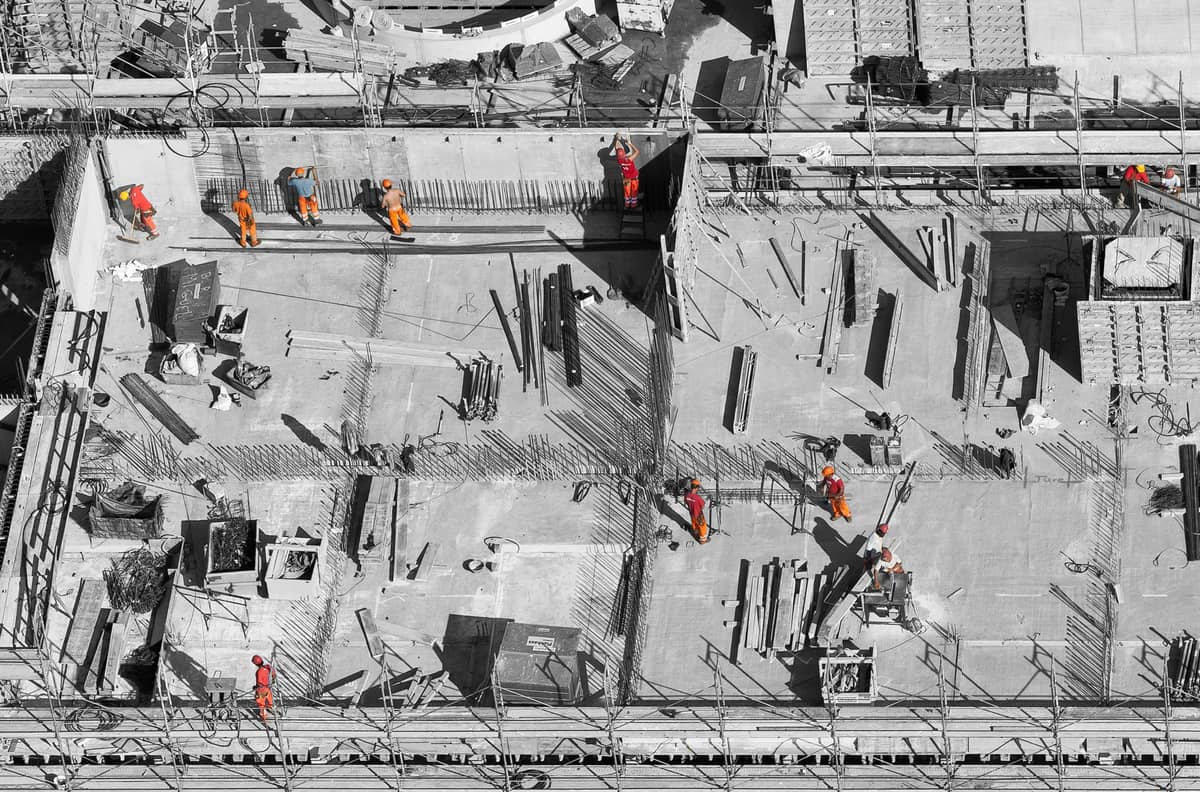
It takes a village to build a house.
PHOTOGRAPH COURTESY OF UNSPLASH/RICARDO GOMEZ
Misconception
There is misconception that hiring an architect in the Philippines is only for those with money.
“You cannot fault them sometimes. Nagtitipid sila (they are saving money),” architect Busmente said.
During the Spanish colonization, there were no Filipino architects. The nearest title a Filipino can get is a Maestro de Obra (construction supervisor), which is obtained by studying the field abroad. There were no architecture schools in the Philippines either.
It was only in 1921 that a regulatory framework for the field of engineering and architecture was passed through The Engineers and Architects Law. Through it, maestro de obras were automatically recognized as architects.
Filipinos also relied on a maestro karpintero (master carpenter), who offer “pakyawan” package to clients that their services include the whole package of designing, building, and hiring a whole team to construct a house.
Modern problems, innovative solutions
The United Architects of the Philippines (UAP) aims to raise public awareness about the essence of hiring architects, which would help to break misconceptions about their role in the construction industry.
Regret sometimes comes at the end. As architects influence how society is shaped through their designs, their innovative solutions serve as a major help for today’s modern problems — even if that means drawing just for a small lot on the street.