
Transparent solar panels reshape clean energy use

A groundbreaking innovation in renewable energy is set to transform how businesses, architects, and city planners power their spaces without changing the way they look.
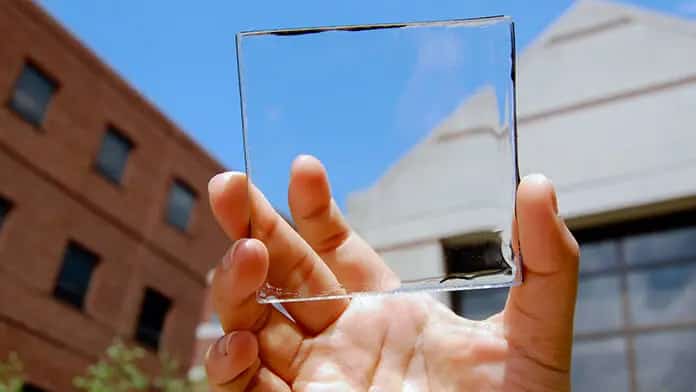
Scientists from Incheon National University in Korea have developed transparent solar panels that look like ordinary glass, making them nearly invisible while still generating electricity.
Led by Professor Joondong Kim, the research team created a special structure called a heterojunction, which enables the panels to produce electricity without blocking visible light. This makes them suitable for modern buildings, smart cities, and greenhouses, where natural light and clean energy are both essential.
Unlike traditional rooftop panels, these transparent versions are made using titanium dioxide (TiO₂) and nickel oxide (NiO).
These materials absorb ultraviolet light—the part of sunlight that is invisible to the human eye—while allowing natural light to pass through. As a result, the panels remain clear like glass while generating energy in the background.
This development expands the potential for urban environments. Transparent solar panels can be installed in windows, glass doors, skylights, and building facades, blending into architectural designs while supplying electricity.
They allow buildings to stay visually appealing while eliminating the clutter of large solar installations. In greenhouses and open office areas, where natural light is crucial, these panels provide a combination of design and efficiency.
In cityscapes with high-rise buildings and limited roof space, this technology offers a practical and visually unobtrusive solution. It helps lower electricity costs, reduces reliance on fossil fuels, and supports sustainability goals without compromising style or functionality.
With growing global demand for renewable energy and smart city innovations, transparent solar panels could represent the next step in climate efforts—clean, efficient, and nearly invisible.