
DA, Mitsui explore nanotech coconut farming
This year, apparently, he’s pivoting towards a more populist reform. Specifically, economic populism.
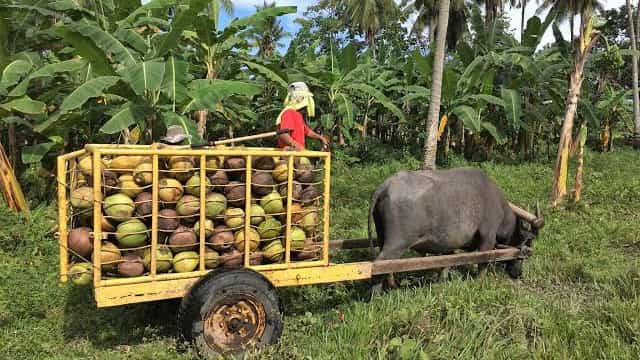
JAPAN and the Philippines are now collaborating on the use of nanotechnology in coconut farming, in which Japanese firm Mitsui will provide proprietary nano-formulated nutrient technology, while the Philippine Coconut Authority will identify trial sites and provide technical support throughout the project.
PHOTOGRAPH courtesy of Livelihoods Funds
Japanese group of multinational firms, Mitsui, and the Philippine Coconut Authority (PCA) are exploring possibilities for the use of nanotechnology for coconut farming in a bid to modernize and make Philippine agriculture more sustainable to boost productivity and improve farmer’s livelihoods.
The collaboration was formalized during the signing of a memorandum of agreement (MoA) between the PCA and Mitsui on 27 July following eight months of negotiations.
The MoA mandates both parties to conduct two years of field trials to determine whether the advanced technology can help raise coconut yields and improve tree health under Philippine conditions.
Under the agreement, Mitsui will provide its proprietary nano-formulated nutrient technology, while the PCA will identify trial sites and provide technical support throughout the project.
Unlike conventional fertilizers that are spread on the soil, the technology delivers nutrients directly into the coconut tree.
Tiny capsules containing agricultural inputs, such as nutrients and crop protection materials, tailored to the tree’s requirements are injected into the trunk, allowing more efficient absorption while using only a small amount of nutrient solution.
The technology, already used successfully in oil palm plantations, may also help manage pest infestations.
PCA administrator and chief executive officer Dexter Buted said the initiative marks a significant step in bringing cutting-edge agricultural technologies to an industry that supports millions of Filipino farmers.
“This partnership opens the door to innovations that could transform coconut farming by improving productivity, strengthening tree health and making our farms more resilient. If the technology proves effective, it can help our coconut farmers produce more with fewer inputs while making the industry more globally competitive,” Buted said.