
The age of anemoia
For years, convenience defined how people consumed entertainment. Streaming replaced DVDs, Spotify replaced CD collections, Instagram became the photo album, and dating apps replaced chance encounters. But after a decade of prioritizing speed and efficiency, many people — especially Gen Z — are beginning to crave something different.
One word increasingly used to describe this feeling is anemoia, which the Dictionary of Obscure Sorrows defines as nostalgia for a time you’ve never personally experienced. It’s not necessarily longing for the past itself, but for what it symbolizes: slower living, tangible experiences, permanence and deeper human connection.
What was it like living in the age of The Beatles and Queen? A world where people could simply “come together,”where all you needed was “love,” and life could be “under pressure” without being constantly online. Whether or not that version of the past truly existed, it has become a powerful ideal for a generation searching for something more meaningful than endless scrolling.
Anemoia extends far beyond books and vinyl records. There has been renewed interest in intimate concerts, social clubs, book clubs, community gatherings, craft markets, film photography, newspapers and other “third places” where people can connect offline. There were no algorithms deciding what came next — just dog-eared novels passed between friends, CDs played from start to finish, and conversations that lingered long after the last song.
The analog revival is showing up in everyday habits, too. Disposable cameras, 35mm film and Polaroids are back in demand as people rediscover the joy of holding printed photographs instead of endlessly swiping through digital galleries. Others are replacing Facebook posts and Instagram Stories with bullet journals, planners and handwritten diaries. Even retro gadgets such as cassette players, Walkmans, Game Boys, Nintendo consoles and classic board games are finding a new audience.
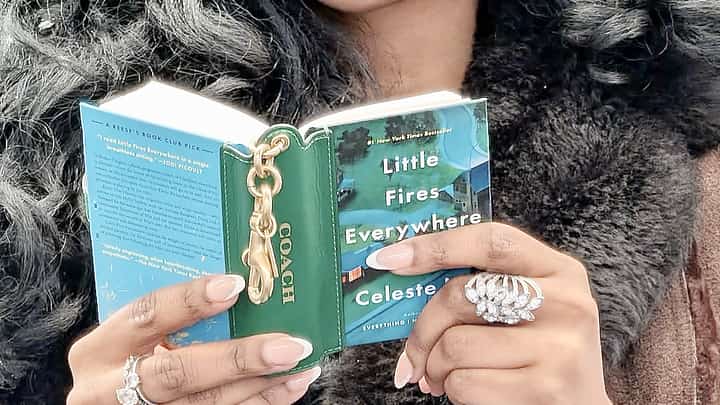
Brands have noticed the shift as well. Fashion labels and lifestyle companies are increasingly turning analog culture into an experience. Coach launched book-inspired campaigns and limited-edition bag charms in partnership with Penguin, while Miu Miu transformed its literary clubs into cultural gatherings that blend fashion, community and reading.
Unlike digital experiences designed to remove every inconvenience, analog activities invite people to slow down — to browse bookstores, wait in line for a show, attend intimate gigs, flip through magazines or wait for a roll of film to be developed. In an age obsessed with instant gratification, that very sense of anticipation may be what makes these experiences feel so memorable.