
Environmental groups warn of 184 suspected US e-waste containers bound for Subic
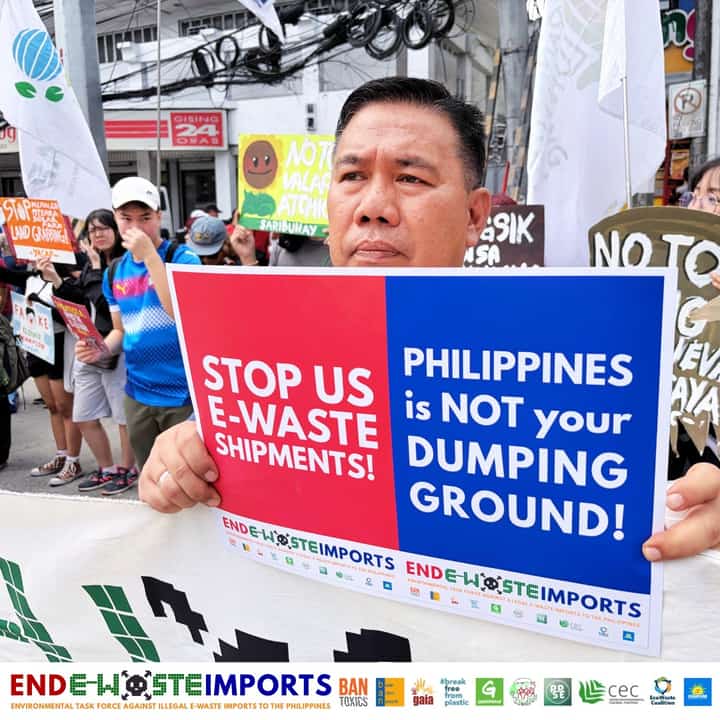
An international environmental watchdog has alerted Philippine authorities to the impending arrival of 184 shipping containers suspected of carrying illegally imported electronic waste from the United States.
The Basel Action Network (BAN) on Wednesday issued an Operation Can Opener alert to Bureau of Customs (BOC) Commissioner Ariel Nepomuceno and Environmental Management Bureau (EMB) Director Michael Drake Matias, warning that the shipments are scheduled to arrive at the Subic Bay Freeport Zone between 6 August and 30 September.
The alert follows the Bureau of Customs' decision on 22 July to keep three previously flagged containers aboard the MV Tokyo Express, citing the Philippines' obligations under the Basel Convention and Republic Act No. 6969.
A coalition known as End E-Waste Imports, which includes BAN Toxics, Kalikasan People's Network for the Environment, Greenpeace Philippines and other civil society groups, urged authorities to intercept, inspect and prevent any illegal e-waste shipments from entering the country.
"We commend the Bureau of Customs for promptly acting on the prior alert," said Jam Lorenzo, deputy executive director of BAN Toxics. "But that was three containers. BAN has now identified 184 more suspected containers, and the government must respond with the same urgency."
The groups said Philippine authorities should inspect the shipments to determine whether they contain Basel-controlled electronic waste, noting that nearly all e-waste has been regulated under the convention since the E-Waste Amendmentstook effect in January 2025.
BAN founder Jim Puckett also urged authorities to invoke the Philippines' 2001 bilateral agreement with the United States on hazardous waste to ensure that any illegal shipments are returned to their country of origin rather than rerouted to another developing nation.
The coalition also warned against any new bilateral agreement that could allow US e-waste exports to the Philippines and raised concerns that the proposed Pax Silica Initiative could potentially increase the entry of electronic waste into the country under the guise of critical mineral recovery or "urban mining."