
What’s in SoNA 2026 that could affect your home and community?
From expanding transportation networks and promoting electric vehicles, to strengthening building standards, modernizing waste management, supporting sustainable construction materials and making housing more accessible.


The country’s energy landscape is set for growth with renewed natural gas exploration, 14 petroleum service contracts, and hydrogen projects designed to strengthen electricity access, especially in off-grid communities.
PHOTOGRAPHS COURTESY OF UNSPLASH AND WIKIPEDIA
The fifth State of the Nation Address (SoNA) of President Ferdinand Marcos Jr. highlighted several key initiatives that directly influence the future of the Philippines’ living spaces — from expanding transportation networks and promoting electric vehicles, to strengthening building standards, modernizing waste management, supporting sustainable construction materials and making housing more accessible.
MRT-7: Long-awaited rail line that improves accessibility
After nearly three decades of development, Marcos Jr. reaffirmed that the Metro Rail Transit Line 7 (MRT-7) will begin partial operations by 2027, significantly improving connectivity between northern Metro Manila and Bulacan.
During last Monday’s SoNA, the President said: “Next year, 12 MRT 7 stations will also open.”
He also highlighted the long-awaited expansion of the rail system: “After almost three decades, a new MRT line will extend to Sacred Heart, Quezon City, from North Avenue.”
The President further expressed hope that the line will eventually reach San Jose del Monte, Bulacan, providing faster and more convenient travel for nearly one million commuters daily.
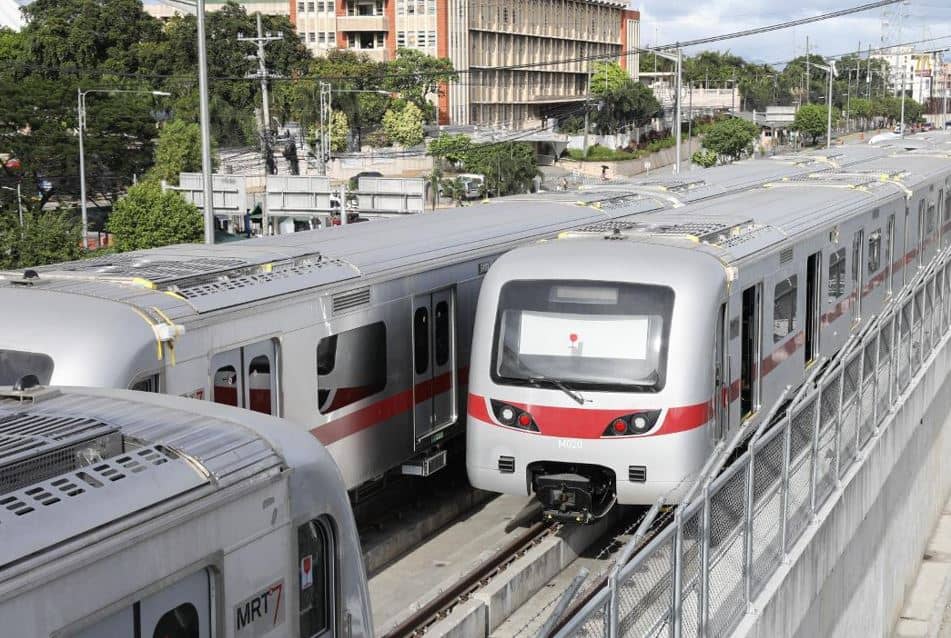
Nearly three decades of development lead to a new chapter in Philippine transport as MRT-7 targets partial operations by 2027, enhancing mobility across northern Metro Manila and Bulacan.
Electric Vehicles: Driving cleaner and more sustainable communities
The President reiterated the government’s commitment to accelerating the country’s transition to electric mobility, with the goal that half of all vehicles in the Philippines will be electric-powered by 2040.
In his SoNA, President Marcos stated: “It is our goal that by 2040, half of the vehicles are now EVs.”
He also announced that several government transport initiatives are already shifting toward electric mobility: “The new Love Bus and articulated bus that will be used in Davao are EVs already.”
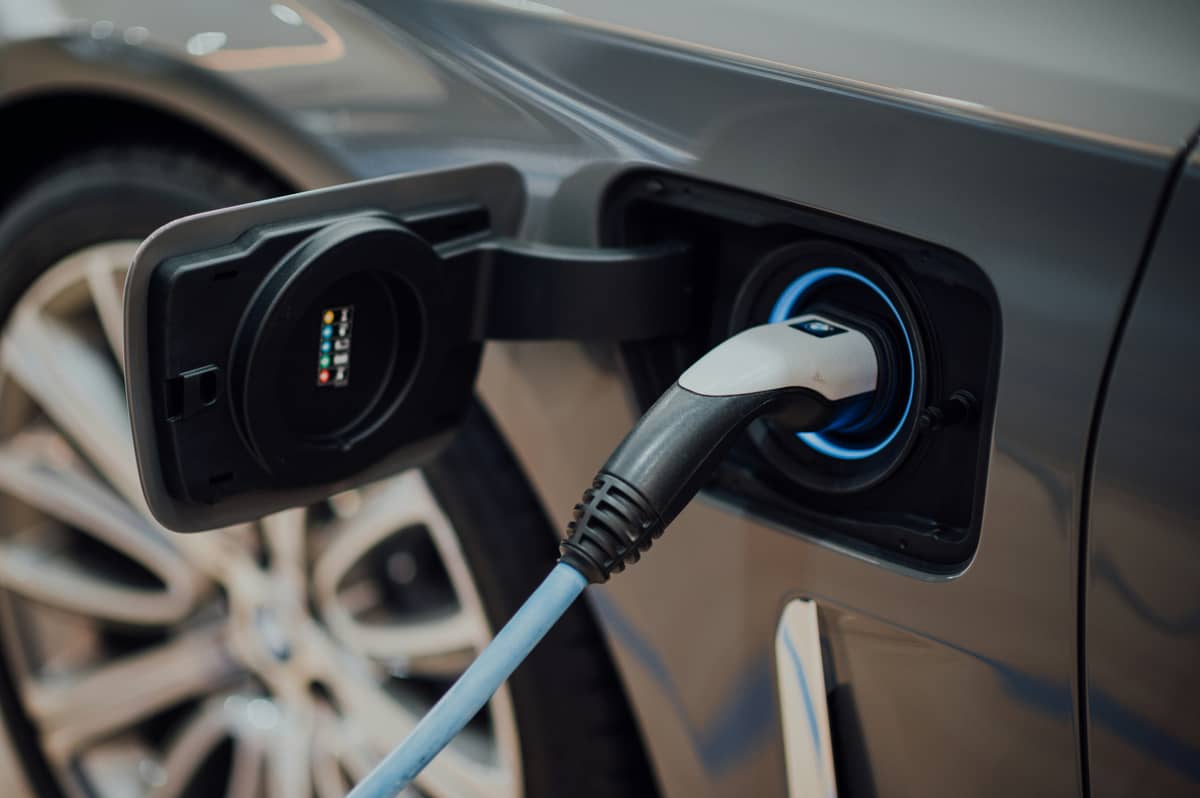
Accelerating the Philippines’ transition to electric mobility.
On water transport, he added: “In the coming years, similar electric ferry boats will be used for the Pasig River Ferry Service, from Pinagbuhatan in Pasig City, up to Escolta in Manila.”
To encourage wider adoption, the President emphasized: “We have removed all tariffs on EVs until 2028 to bring down market prices, and government has also been mandated to prioritize electric vehicles in their refleeting plans.”
He likewise stressed the economic benefits of developing a local EV industry: “This clean and green policy is two-pronged: It shall also spur growth of our domestic local industries across the EV value chain, specifically those involved in the vehicle assembly and manufacturing of batteries and related spare parts.”
Stronger buildings and disaster-resilient communities
Recognizing the country’s vulnerability to natural disasters, Marcos announced that construction of Ligtas Pinoy Centers will begin this year in disaster-prone areas.
He said, “Aside from the 137 evacuation centers that have been built across the country, we will begin constructing Ligtas Pinoy Centers this year.”
These facilities are designed to withstand super typhoons and major earthquakes, setting a higher benchmark for resilience.
The President emphasized that the same level of safety should apply to all structures nationwide: “All buildings in our country must be prepared and capable of remaining strong and standing against any threat posed by disasters and calamities.”
To support this objective, he called for reforms to the country’s construction regulations: “It is therefore only appropriate that we focus on and give importance to amending the National Building Code so that it conforms with modern standards.”
Modernizing solid waste management
President Marcos also proposed updating the 25-year-old Ecological Solid Waste Management Act to reflect modern waste management technologies and practices.
He said: “One systemic intervention is to update our 25-year-old Ecological Solid Waste Management Act, aligning it with modern waste management practices, such as waste-to-energy and waste treatment technology.”
The President cited the transformation of former landfill sites into productive public spaces, noting: “For example, what used to be the Carmona Sanitary Landfill of the 1990s is now the MMDA Nature Park.”
He added: “More than a multi-purpose green space, it shall soon be the base of its high-level disaster preparedness training and simulation exercises.”
Coconut planting program: Supporting sustainable building materials
The President reported that the administration has already planted 18 million coconut trees, with a target of 100 million trees by the end of his term.
“Layunin natin na sa pagtatapos ng administrasyon, makakapagtanim tayo ng isandaang milyong puno ng niyog. Gagarantiyahin nito ang tatag ng ating industriya ng niyog hanggang sa mga susunod na dekada, (By the end of this administration, our goal is to have planted 100 million coconut trees. This will ensure the resilience and long-term sustainability of our coconut industry for generations to come),” he said.
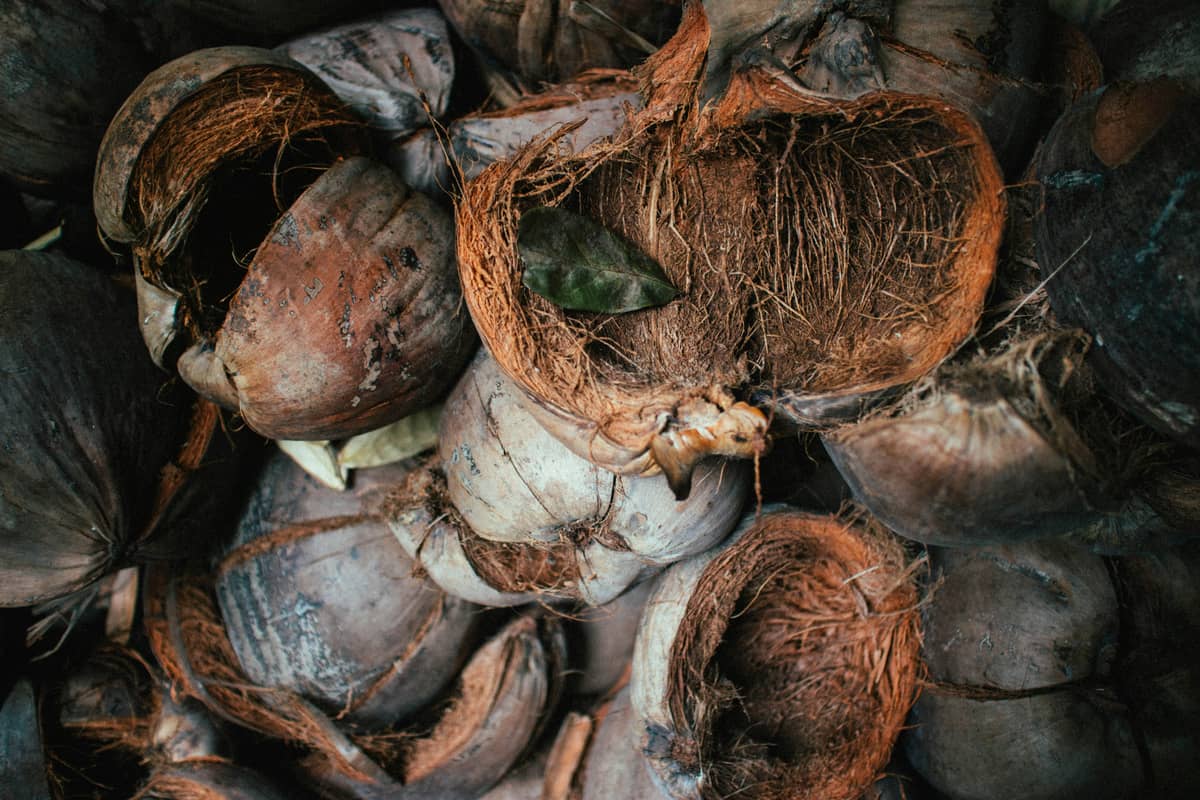
From 18 million planted coconut trees to a target of 100 million, the initiative aims to revitalize the coconut sector and create opportunities for Filipino farmers.
Pag-IBIG Fund: Expanding housing affordability
To address the country’s housing needs, Marcos announced that the Pag-IBIG Fund has increased its maximum housing loan amount to P10 million, while significantly expanding the government’s housing programs.
He explained that housing production continues through various initiatives, “Ito’y sa pamamagitan ng mga bagong komunidad, mga acquired assets ng Pag-IBIG Fund, Community Mortgage Program, resettlements at pati na mga paupahan (this will be carried out through the development of new communities, the utilization of acquired assets under the Pag-IBIG Fund, the Community Mortgage Program, resettlement initiatives, and rental housing projects).”
He also emphasized the importance of accessible financing: “Susi sa lahat ng ito ang magandang sistema ng pautang, upang gawing mas abot-kaya ang mga pabahay para sa mga Pilipino (a sound financing system is key to all of these, making housing more affordable for Filipinos).”
Marcos touts Malampaya, hydrogen, nuclear in energy plan
The renewed drilling confirmed 222 billion cubic feet of untapped natural gas, which he called a “national treasure,” enough to power 1.6 million households for the next eight years and keep Malampaya producing until 2034.
Marcos also said the government awarded 14 petroleum service contracts across Luzon, Visayas and Mindanao, including four for hydrogen projects and two co-managed with the Bangsamoro government, a first in Philippine history. He added that hydrogen power plants are already being developed in Marinduque, Masbate, Zamboanga Sibugay, Basilan and other areas to help supply electricity, particularly in off-grid communities.
The president also said the Philippines should revisit nuclear energy, saying, “We will ensure it is safe. We will ensure the good benefits of nuclear energy will be explained properly to the public.”
Marcos noted that nuclear technology is already used in medicine, agriculture, water filtration and plastic upcycling, adding that nuclear energy could strengthen the country’s energy security and help lower electricity costs.