
Lake Sebu designated as global ‘FAO Village’

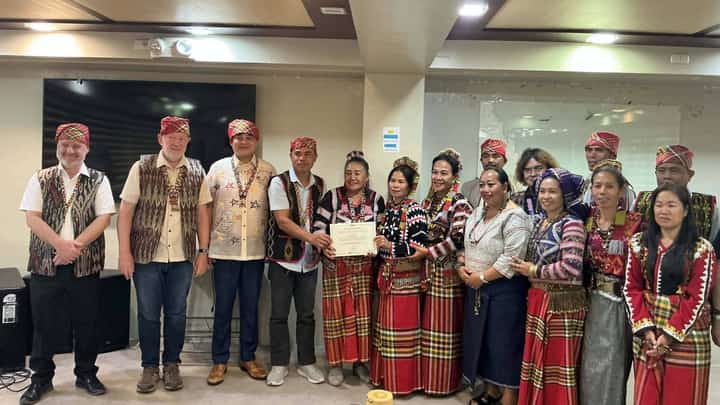
The Food and Agriculture Organization (FAO) of the United Nations (UN) has officially designated Lake Sebu as an “FAO Village,” making the South Cotabato municipality the first community in the Philippines to join the prestigious global network.
The designation places Lake Sebu among more than 300 recognized villages worldwide. The UN agency cited the town for conserving its natural heritage and biodiversity, sustaining indigenous food traditions, and driving rural development through agricultural and scientific innovation.
The recognition was formalized 16 July 2026, with the unveiling of an FAO Village marker at the Gono Menos Bnek (Lake Sebu Rice Museum) in Lake Sebu, attended by local officials, development partners and indigenous community members.
For generations, the T’boli and Ubo-Manobo indigenous peoples have managed the municipality’s lakes, forests and farms, safeguarding traditional crop varieties and indigenous knowledge within an officially protected landscape.
“Long before the world spoke about biodiversity, climate resilience, or sustainable agrifood systems, the people of Lake Sebu had already understood something fundamental — nature is not simply a resource to be exploited, but a partner to be respected,” said Dr. Lionel Dabbadie, the FAO representative in the Philippines.
Mario Samaja, former senior coordinator at FAO headquarters in Rome who led the FAO Villages Recognition Initiative, said Lake Sebu’s integrated ecosystem serves as a model for global food security.
“Its three lakes, forest ecosystems, waterfalls, and agroecological mosaics form the basis of your integrated livelihoods, and support both cultural identity and food security,” Samaja told community members.
A key milestone driving the recognition is the active preservation of local heirloom crops. Through collaborative conservation projects involving local farmers, government agencies and academic partners, 102 traditional rice varieties have been secured in the Philippine Rice Research Institute Genebank under a safety agreement.