
Pride in heritage: A short tour of Pasig’s historic center
The tour reveals a city rich in heritage, studded with familiar places enlivened by stories and a deeper appreciation of the living past.

Despite growing up near the outskirts of Pasig City and frequently passing through this eastern Metro Manila hub, I had rarely lingered long enough to explore its heritage and culturally significant sites. Perhaps familiarity encouraged complacency: the city was always nearby, so a visit could always be postponed. There were also very few guided tours, if at all, that could serve as entry points for residents and visitors wishing to learn more about Pasig’s history.
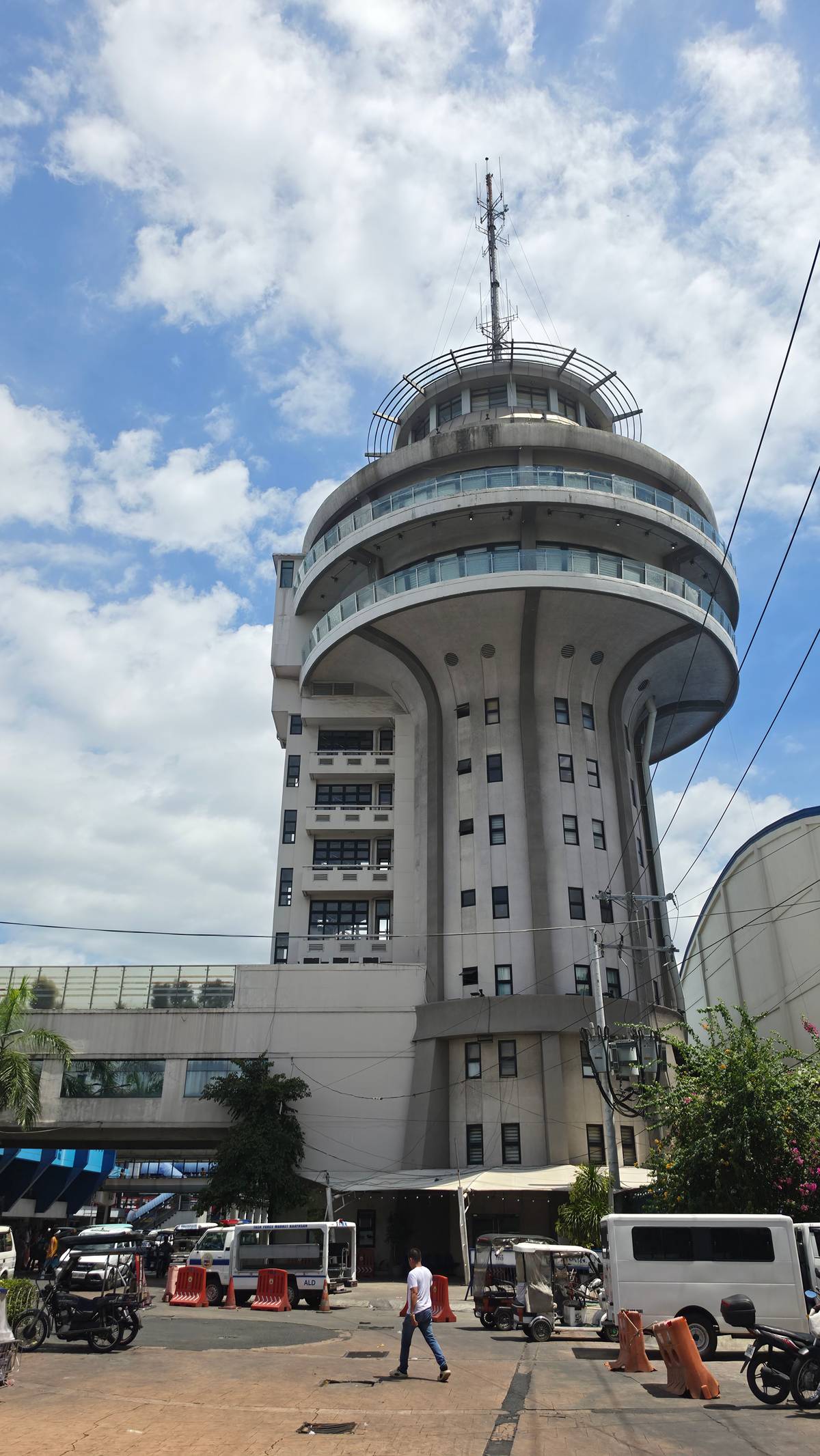
THE Pasig Revolving Tower designed in Brutalist style.
In recent years, however, the Pasig City government, through its Cultural Affairs and Tourism Office (CATO), has begun offering short, free guided tours, often held in conjunction with celebrations and observances such as National Heritage Month in May.
This June, CATO announced two special tours for members of the LGBTIQ+ community and their allies in celebration of LGBTIQ+ Pride Month. I readily joined the first, the Poblacion Walking and Rolling Tour, held on 20 June. The tour brought participants around the old town center — the población — where several of Pasig’s most important historic landmarks remain.
Our first stop was the oldest surviving structure in the city: the Tech ancestral house in the barangay of San Jose, a short walk from Plaza Rizal. Popularly known as Bahay na Tisa — literally, “house with a terracotta tile roof” — the Filipino bahay na bato was built in 1846 by Don Cecilio Tech. In 2020, the National Museum of the Philippines declared it an Important Cultural Property.
We were welcomed by its present owner, Marie Antoinette Simplicia Leticia Rosalinda Victoria Eugenia Tech y Rivera de Mendoza, whose impressively long name seems almost as storied as the house itself. Her cousin, Ferdinand Nayve, guided us through the residence and regaled us with stories about the family and the old house. Unlike many ancestral homes in the country that have been abandoned or neglected, Bahay na Tisa remains a living residence.
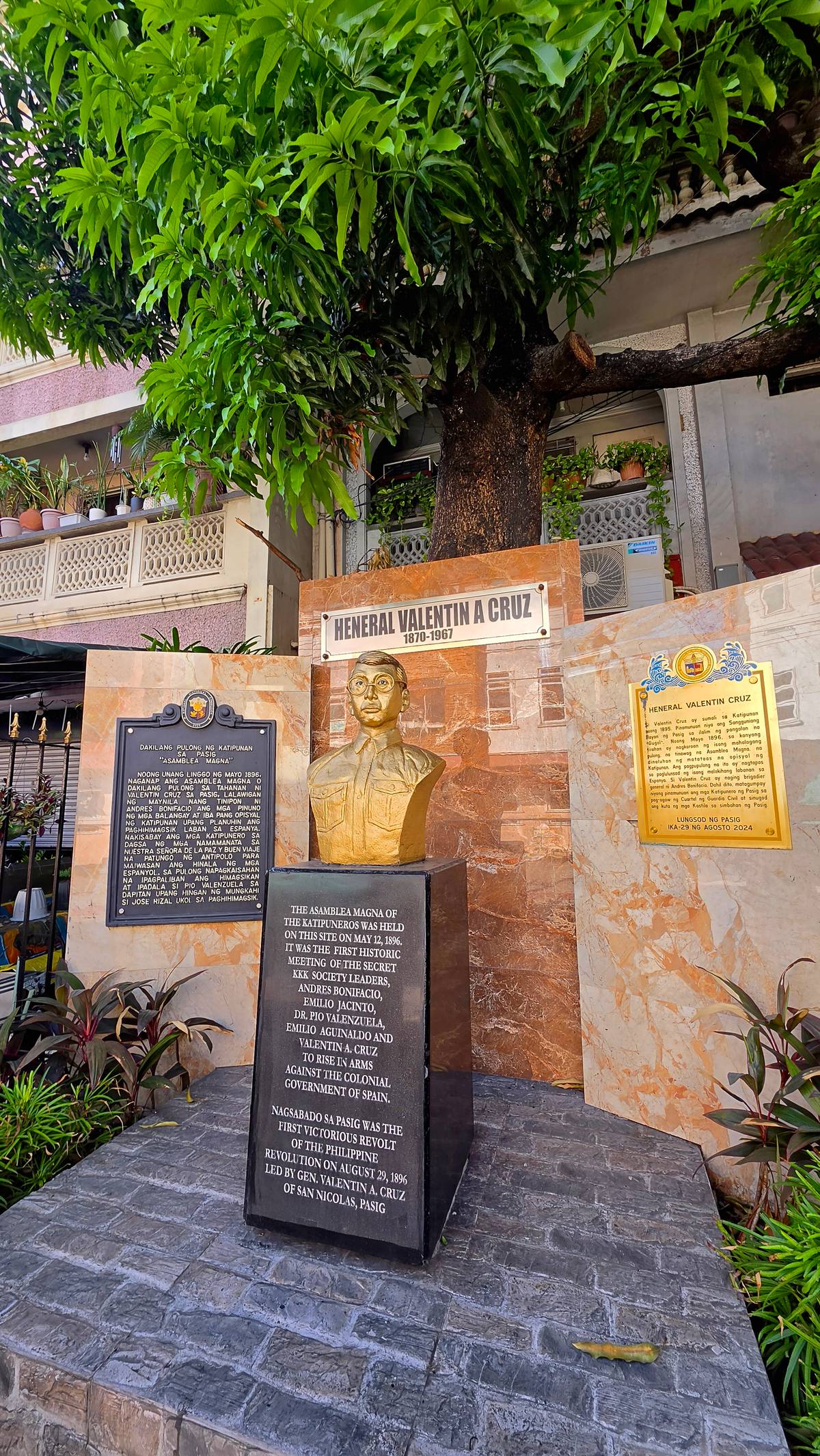
MONUMENT to Pasigueno revolutionary Valentin Cruz.
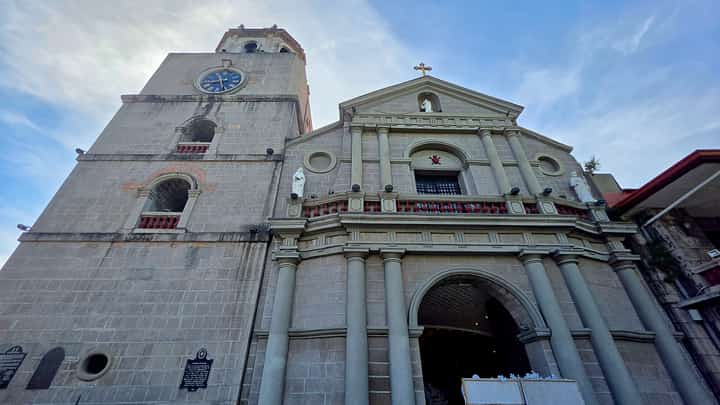
From Bahay na Tisa, we walked toward Plaza Rizal and crossed over to the Immaculate Conception Cathedral. The first church on the site was built in 1575. The present structure later served as a British military headquarters during the British occupation of Manila from 1762 to 1764.
Near the cathedral stands a monument to Pasig revolutionary Valentin A. Cruz. A member of the Katipunan since 1895, Cruz played an active role in the revolutionary movement in Pasig. At the outbreak of the Philippine Revolution in 1896, he led the seizure of the local tribunal from Spanish authorities — an event that came to be known as Nagsabado.
A planned stop at the historically important Bitukang Manok creek was omitted because the waterway has become fetid and severely polluted. Its present condition is unfortunate, considering its place in the history of the city. One hopes that a comprehensive rehabilitation program will eventually restore it.
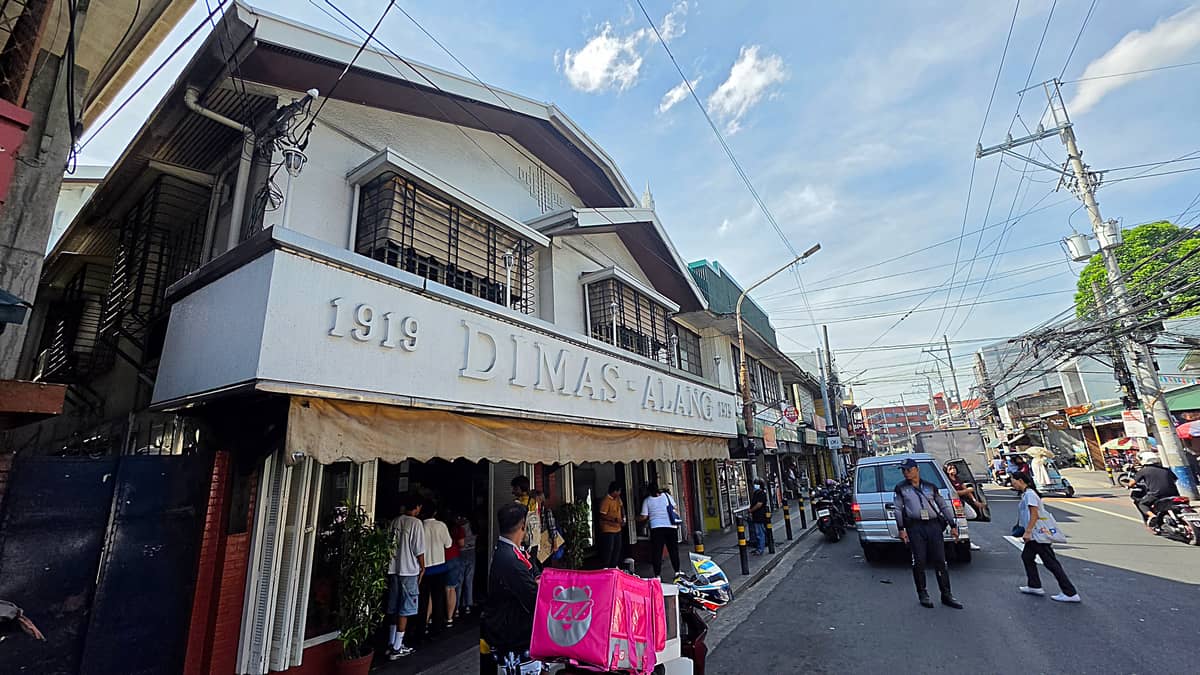
PANADERIA Dimas-Alang, established in 1919.
We next made a brief stop at Panaderia Dimas-Alang, a familiar sight along the busy A. Mabini Street, the principal route used by vehicles heading toward the cathedral and the city hall. The bakery traces its beginnings to Panaderia Dos Hermanos. In 1919, Teresa Raymundo Santos reopened the establishment and renamed it Dimas-Alang, after one of José Rizal’s pen names. The bakery was destroyed during the war but was later rebuilt by Santos’ daughter Felisa and her husband, Lucio Lozada. Today, it is regarded as one of the oldest continuously operating bakeries in the Philippines.
Dimas-Alang continues to offer traditional Filipino breads and pastries, including pandesal, bonete, aglipay, monay, ensaymada, pan de coco and biscocho de caña. A creation of the bakery is a biscuit amusingly named Hindi Ko Akalain.
From the bakery, we proceeded to the Concepcion Mansion, now home to the Pasig City Museum. The house was built in 1937 by Don Fortunato Concepcion, who served as mayor of Pasig from 1918 to 1921, as a gift to his wife, Doña Victoria. The Concepcion family donated the property to the city in the 1980s, after which it was used as a museum and library. In 2017, the National Museum of the Philippines declared it an Important Cultural Property. Following several years of renovation, the museum reopened to the public on 26 March 2025.
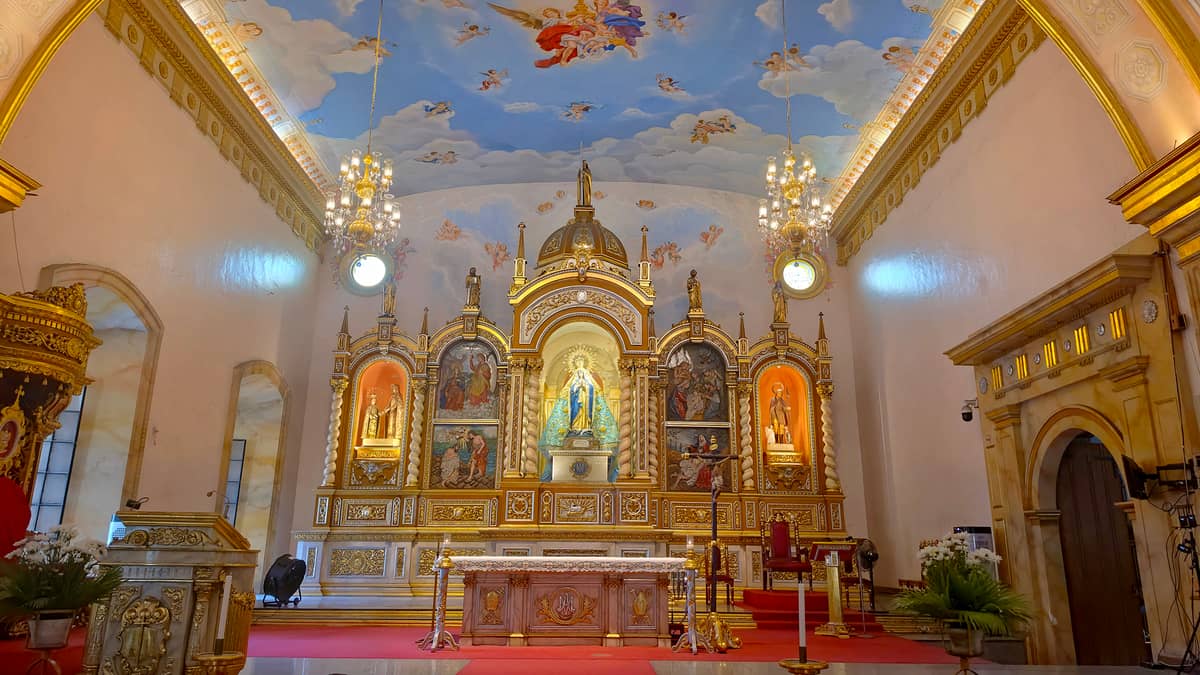
THE main retablo of the Immaculate Conception Cathedral of Pasig.
Our next stop was another familiar Pasig landmark: the Pasig Revolving Tower, situated between the city hall and the sprawling public market. Designed by architect Federico Medina in the Brutalist style, the tower formally opened in 1974. It is best known for the restaurant on its 11th floor, which features a rotating platform that once afforded diners a panoramic, 360-degree view of the surrounding cityscape. The revolving floor remains operational, while the space is now rented out for private events.
The tour concluded at Maybunga Rainforest Park, said to be the first theme park built and managed by a local government unit in the country. Combining recreational facilities with landscaped and natural areas, the park has become a popular picnic and leisure destination for Pasig residents.
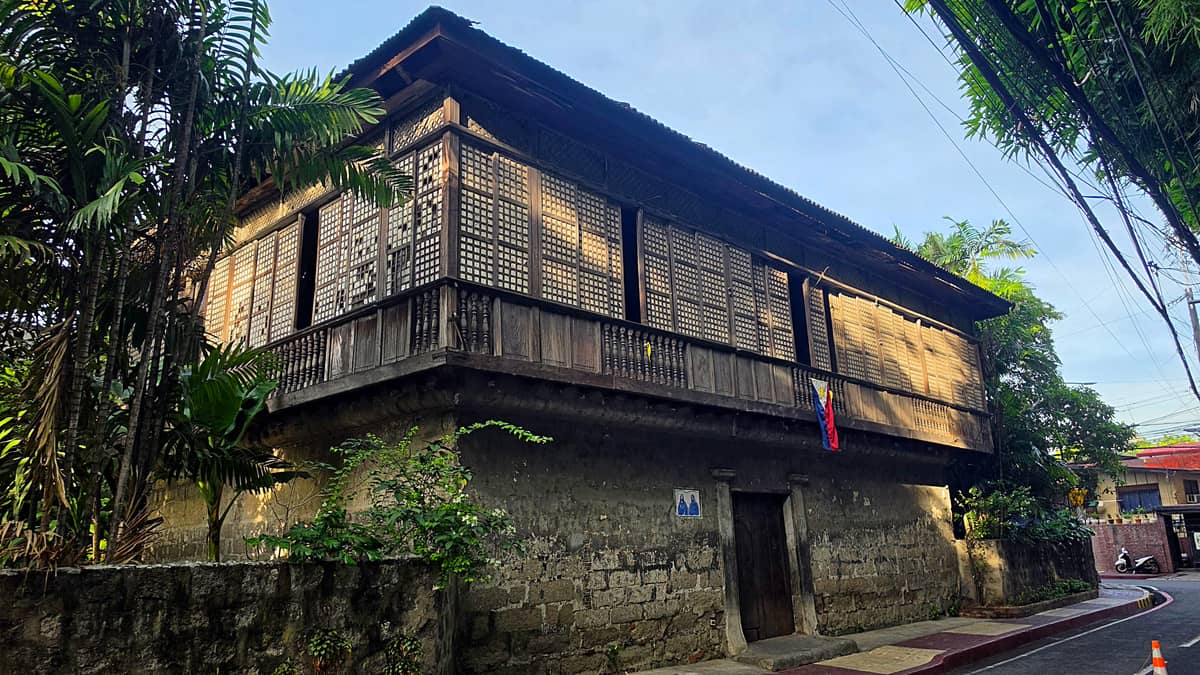
THE Bahay na Tisa, considered the oldest house in Pasig.
I was pleasantly surprised by how well the park was maintained. Publicly managed recreational properties are sometimes allowed to deteriorate or become cluttered with poorly conceived additions.
Overall, the tour was impressive and served as an excellent introduction to Pasig’s history and heritage. Since the tour was organized in celebration of Pride Month, however, it could have been enriched by the inclusion of elements from Pasig’s local LGBTIQ+ history—such as accounts of previous Pride marches, community initiatives, notable personalities, or the city government’s programs promoting diversity, equality, and inclusion.
Nevertheless, the tour demonstrated the value of accessible heritage programs, offering an opportunity to see a familiar city with renewed attention and appreciation. Sometimes, the places nearest to us are the ones we know least—and all it takes is a short walk through the old town to rediscover them.