




Biñan leads the way to heritage conservation efforts in Laguna

Text size
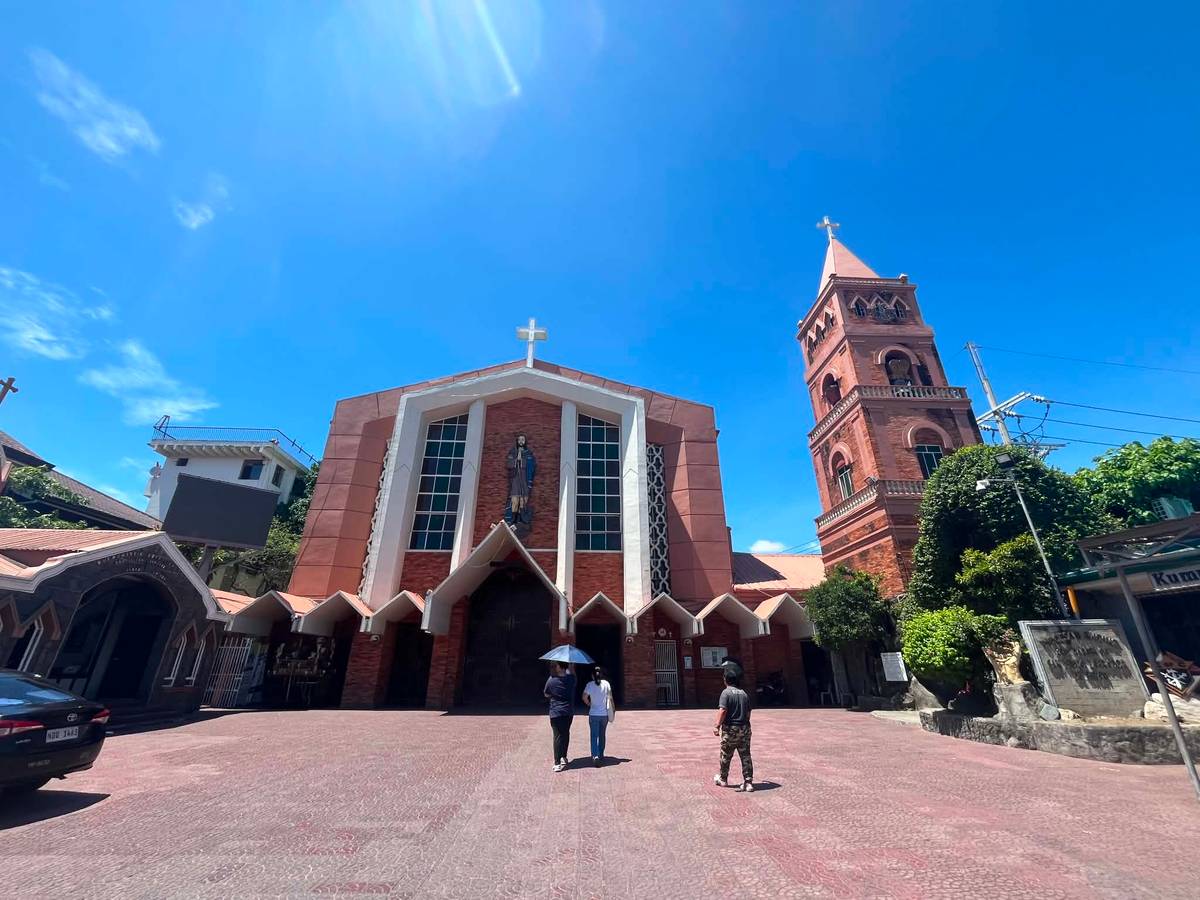
SAN Isidro Labrador Church.
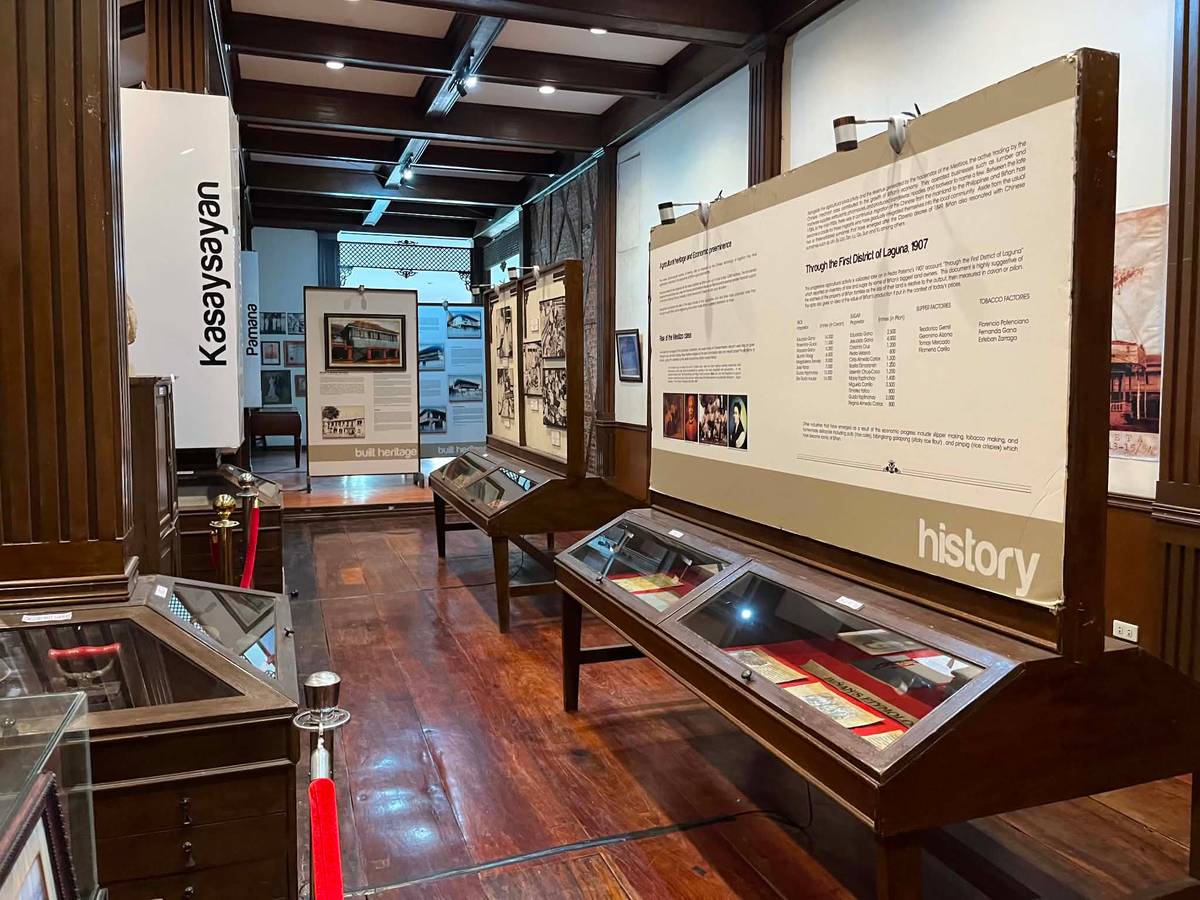
INSIDE the city museum.
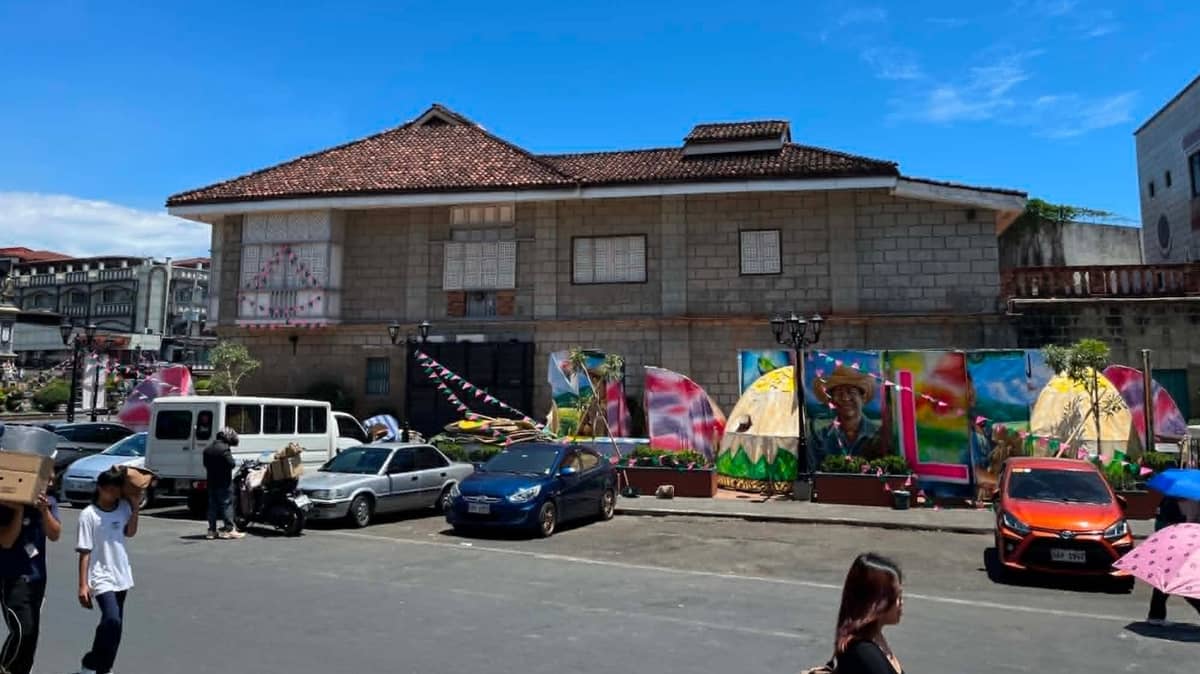
ALBERTO Mansion — the house of Jose Rizal’s kin
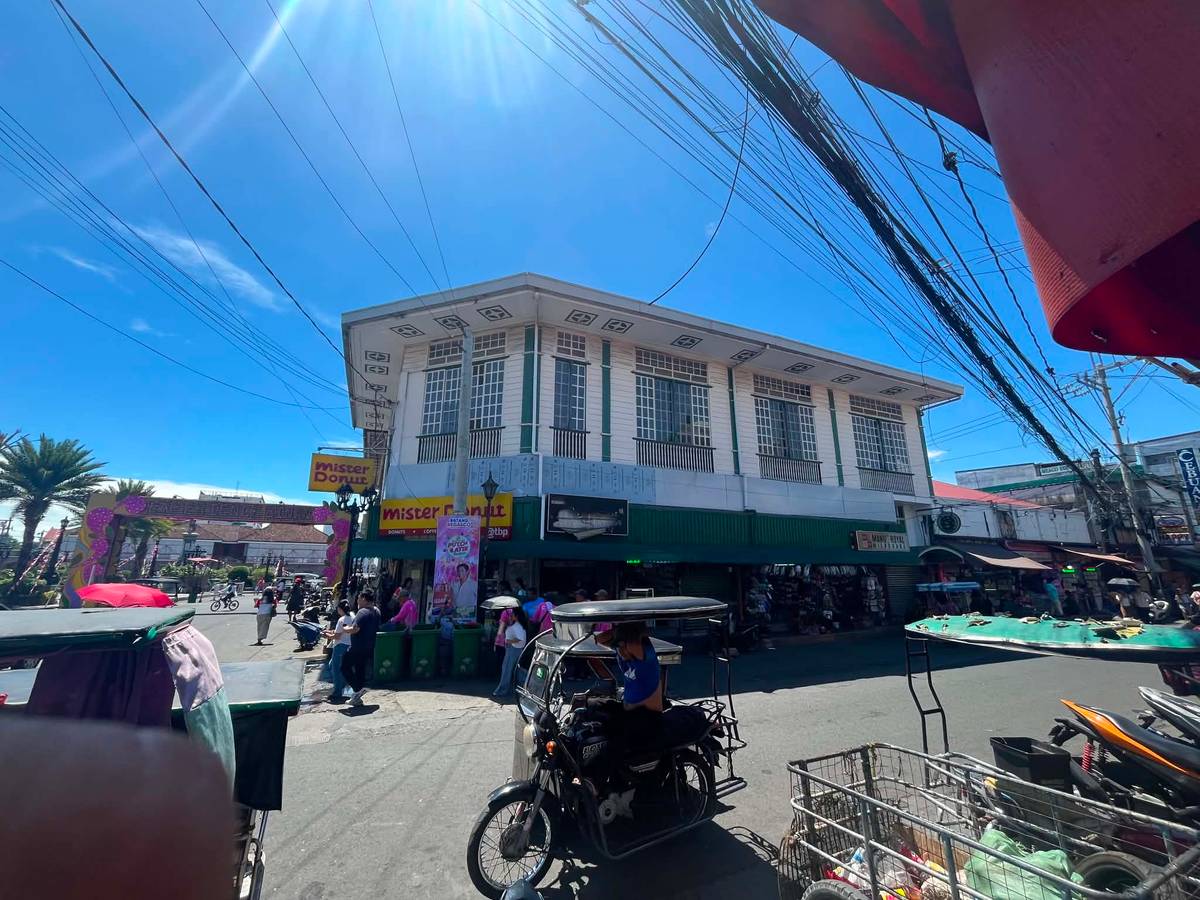
POTENCIANO building.
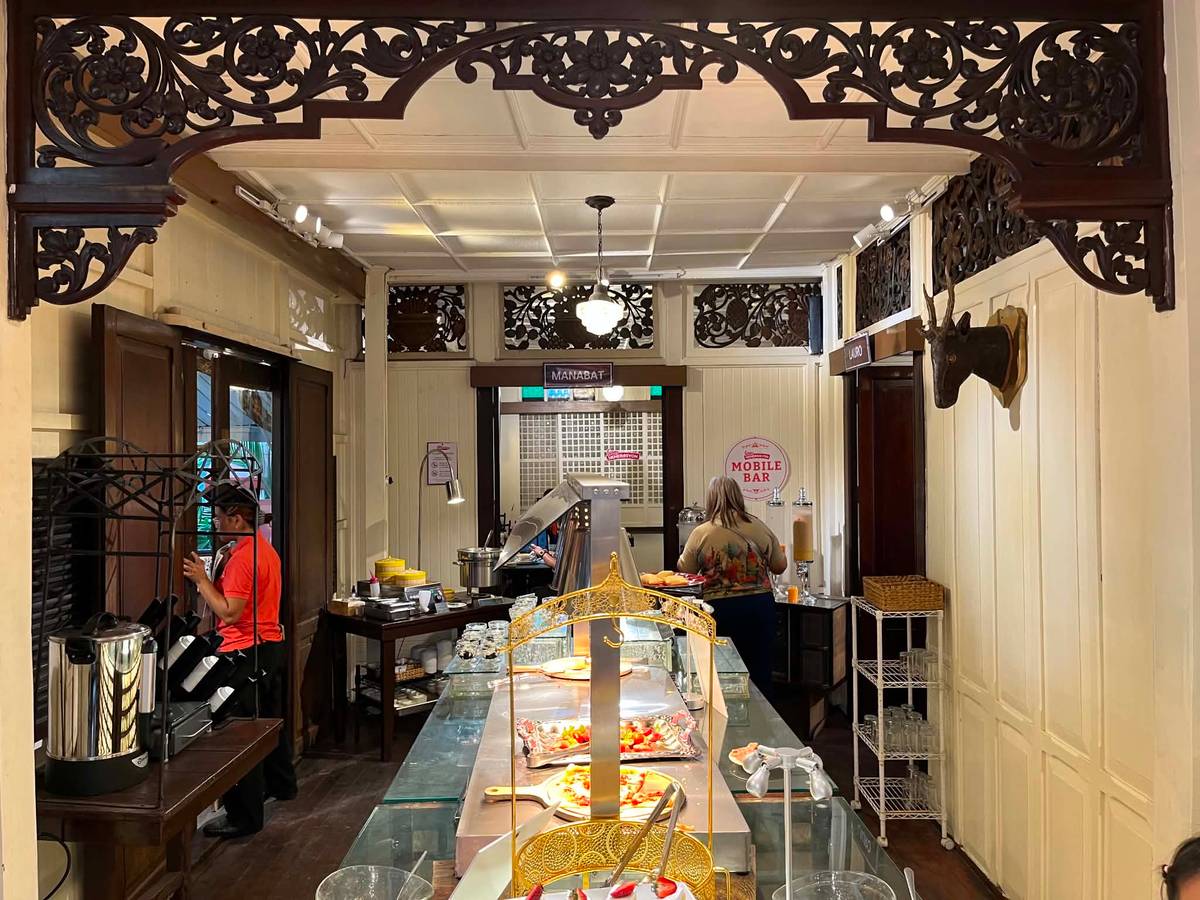
INSIDE Lutong Henerasyon.
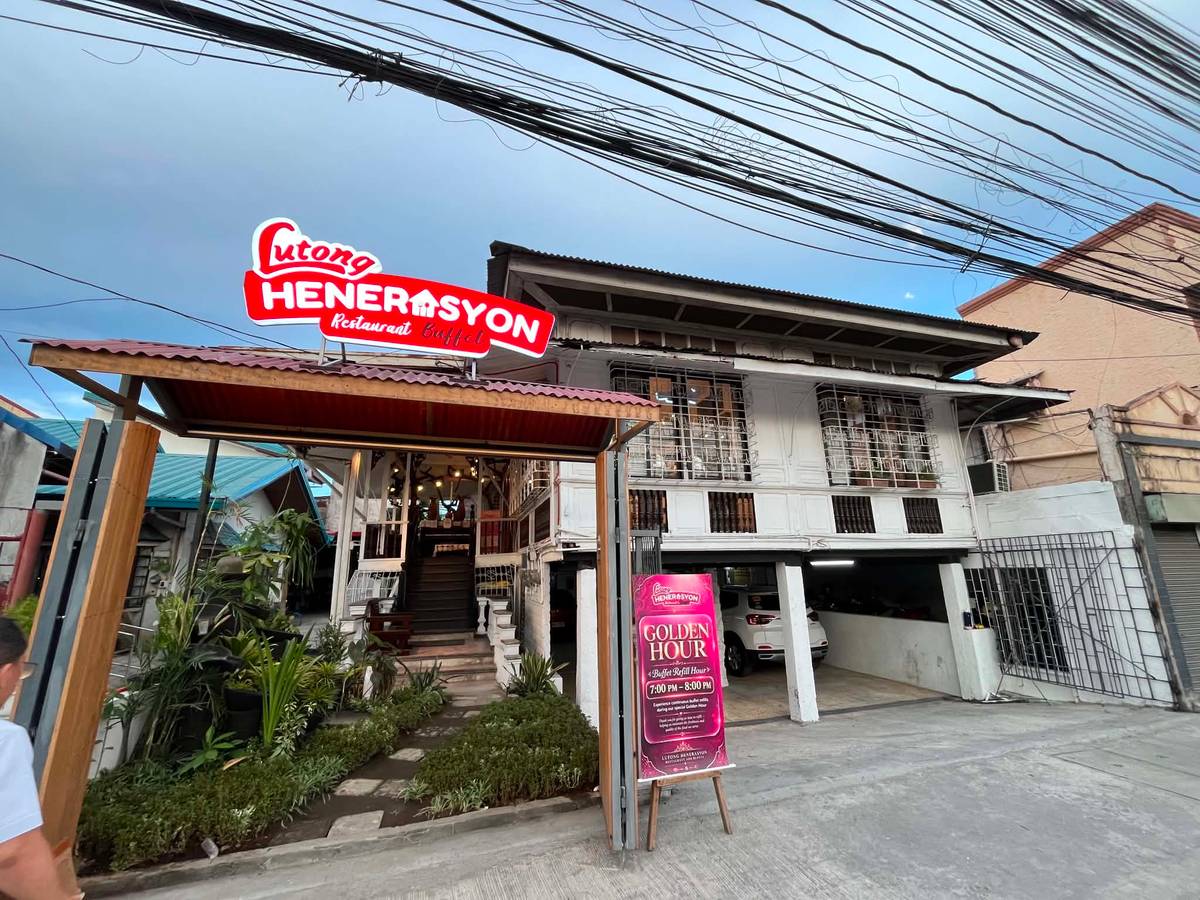
MARCELO-MANABAT house now Lutong Henerasyon Restaurant and Buffet.
With a history dating back centuries, Biñan in Laguna takes pride in being a heritage city, richly endowed with cultural assets that span many forms. These include its natural heritage, such as its rivers, Tibagan Falls and Laguna de Bay; movable heritage properties; intangible heritage expressed through religious practices, culinary traditions such as puto Biñan and pinipig, and dances such as the maglalatik; and built heritage, which is among the most extensive not only in Laguna but in the whole of Southern Luzon.
Biñan is an old settlement, founded as a town in the late sixteenth century. It was first ministered by the Augustinians and, by the end of that century, by the Dominicans, who built its first stone church sometime in the seventeenth century.
Biñan is an old settlement, founded as a town in the late sixteenth century. It was first ministered by the Augustinians and, by the end of that century, by the Dominicans, who built its first stone church sometime in the seventeenth century.
That church was badly damaged by the infamous 1880 earthquake and later had to be rebuilt by the Dominicans, who, after a long absence, took over the town from the secular clergy in 1891.
Soon after, the foundations for a new church were laid. Measuring 62 meters long and 27 meters wide, the church was begun by Fr. Rafael Fajol, parish priest from 1892 to 1895, and continued by Fr. Petronilo Aguado, parish priest from 1895 to 1898. However, construction was never completed because of the 1896 Philippine Revolution.
The present concrete church dates back to the late 1960s. In 2022, it was elevated as the Diocesan Shrine of San Isidro Labrador.
Dominican hacienda
Closely intertwined with the history of Biñan was the vast Hacienda de Biñan, founded by the Dominicans in 1644. The hacienda, which mainly produced sugarcane, once comprised the present cities of Cabuyao, Santa Rosa and San Pedro in Laguna, as well as portions of Carmona and General Mariano Alvarez in Cavite.
At least 12 dams were built within the hacienda, two of which still exist today in Biñan: the Calaboso or Timbao Dam in the barangay of Timbao, and the Soro-soro Dam in the barangay of Soro-soro.
Another extant structure directly related to the hacienda is its former administrative building, the Casa Hacienda, located at the center of the city. A bahay na bato, the two-story edifice served as a school during the American period, the same era when it was converted into a municipal hall. It is now the Sentro Pangkultura ng Biñan, which houses the city museum, library, and the office of the Biñan City Culture, History, Arts and Tourism Office.
The plaza
Across this building is the reconstructed Alberto Mansion, the house of Jose Rizal’s kin, built possibly in the first half of the nineteenth century. Its original owner was Don Lorenzo Alonso de Alberto, the capitan of Biñan in 1844. The house was later owned by his son, Don Jose Maria Alberto.
In 2009, the structure was supposed to be transferred to Las Casas Filipinas de Acuzar in Bagac, Bataan, which had, in fact, begun dismantling the house. In 2012, its roof collapsed, further alarming heritage advocates and local officials. In 2017, the city government expropriated the property and subsequently restored it. The restoration, completed in 2019, was carried out with assistance from the heritage resort in Bataan.
The house commands a view of the town plaza, a heritage site in itself. The plaza features the 1918 Rizal monument, whose design took inspiration from Carlos Nicoli’s Al Martir de Bagumbayan, the winning entry in the design competition for Rizal’s monument in Luneta, Manila, although it was never executed there.
Adjacent to the monument is the Los Maduros bandstand, which, according to resident and cultural worker Noni Agulto, was built in the 1960s and funded by the socio-civic gentlemen’s club Los Maduros. Shaped like a slipper to reflect Biñan’s once-thriving slipper industry, this area was previously roofed but was impressively restored by the local government in recent years as an open space.
Around the plaza are other heritage structures, including the 1970s Almeda Building and several ancestral houses, such as those of the Ocampo and Potenciano families.
Heritage district
These edifices form part of the Biñan City Heritage District, which was declared as such by the city government in 2017. The district comprises the areas of Plaza Rizal, J. Gonzales Street and V. Ocampo Street, where many ancestral houses are located.
Among the other houses in the district are those owned by the Gonzales, Cariño, Gana, Casas-Mercado and Baylon families. Also noteworthy are the reconstructed school of Jose Rizal on Gen. M. Capinpin Street and several stone kamalig found across the city.
Elsewhere in Biñan, local heritage sites declared in 2017 include the Jacinto Francisco House in Barangay Poblacion, the Belizario Hernandez House in Barangay Santo Domingo, the Alberto Yaptinchay House in Barangay San Antonio, and the Roman Catholic Cemetery in Barangay Canlalay.
In 2023, the dams in Timbao and Soro-soro were also declared local heritage sites by the city government. These declarations, among the first of their kind undertaken by a local government unit in the country, help ensure that these structures are protected from damage, neglect, or demolition.
San Antonio
A number of these heritage houses have been given new life through adaptive reuse, a growing trend in the city that has now reached Barangay San Antonio, a village adjacent to the Poblacion.
Many old houses in the area have been converted into business establishments and dining spaces. Notable among them are three ancestral houses now operating as restaurants under the name Lutong Henerasyon. One serves Filipino food, another functions as a café, while the latest is a buffet restaurant. All are located along M. Manabat Street, Biñan’s de facto food hub.
Puto Latik Festival
All these heritage assets are being protected and promoted by the city government, now led by mayor Gel Alonte, and by the Biñan City Culture, History, Arts and Tourism Office, headed by the equally efficient Bryan Jayson Borja.
Worthy of sustained promotion, Biñan’s Poblacion and its environs are indeed an open-air museum, showcasing a culture, heritage, and way of life that span generations. It is a living and thriving heritage landscape where people from all walks of life converge, mingle and coexist.
The best example of this communal cohesion is the Puto Latik Festival, held from 15 to 23 May. Organized annually by the local government, the festival began in 2010. Originally held in February, it was later moved to mid-May to coincide with the centuries-old festivity of 15 May, the Feast of San Isidro Labrador, the city’s patron saint.
The festival was awarded Best Cultural Festival in the City Category at the Association of Tourism Officers of the Philippines Pearl Awards 2025.
In a well-written opinion article stressing the importance of festivals such as the Puto Latik Festival, Borja said these are “not mere spectacles” but “living expressions of identity.”
“In communities like Biñan, the Puto Latik Festival is more than a celebration; it is a narrative of place,” he said.
“At a deeper level, festivals are part of the ongoing search for Filipino identity. They do not just showcase culture; they cultivate it. They reinforce belonging,” he added.
Before politics, the pressures of public life, and the Presidential Palace, Ferdinand “Bongbong” Marcos Jr. remembers a…
When a Tennessee woman was sentenced to death in 1996 for murdering a 19-year-old student the year before, she remained…
Records from the Anti-Money Laundering Council (AMLC) showed that Cale88 Foods Corp., a firm linked to Vice President…
