
Falling in Love With Manila, Again

HISTORY moved again in 1898, when colonial rule shifted and new systems reshaped the city. Under American planning, Manila saw the rise of wide boulevards, public parks, and civic spaces that aimed to modernize urban life. Places like Rizal Park became symbols of both remembrance and renewal.
There is a certain kind of love that only Manila can offer. It builds slowly, through memory and the streets that carry both the past and the present. As the city marks its 455th founding anniversary, Manila becomes more than a place you pass through. It becomes a place you return to, and perhaps, fall in love with all over again.
Long before it was declared a capital, Manila was already alive with trade and culture. Along the Pasig River, merchants from China, India and the Malay world gathered, exchanging goods, stories, and traditions. It was a thriving settlement led by local rulers, where markets flourished and communities were shaped by connection. The river was not just water. It was life, movement, and identity.
When Miguel López de Legazpi arrived in 1571, the city entered a new chapter. Within the walls of Intramuros, the Spanish built a center of power, religion, and governance. Churches rose from stone, schools were established, and the city became a key port in the galleon trade that linked Asia to the Americas. The influence of this era still lingers, not just in architecture, but in the rhythm of traditions that continue today.
History moved again in 1898, when colonial rule shifted and new systems reshaped the city. Under American planning, Manila saw the rise of wide boulevards, public parks, and civic spaces that aimed to modernize urban life. Places like Rizal Park became symbols of both remembrance and renewal.
Yet the city’s story is not without loss. During World War II, Manila faced devastation that erased much of what once stood. The Battle of Manila left scars that would take decades to heal. And still, the city endured. It rebuilt itself, carrying both grief and resilience into the years that followed.
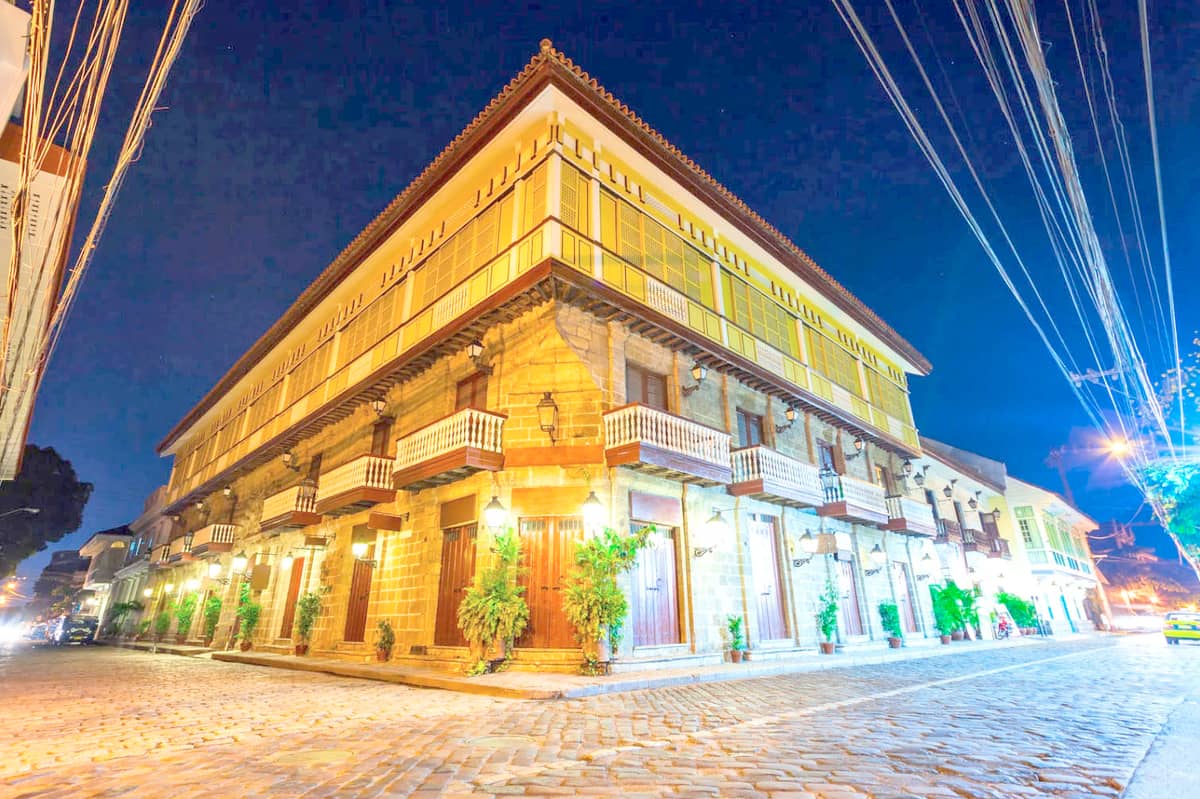
THE country’s capital boasts of mesmerizing scenery with its historic and cultural infrastructures that dazzle from dusk till dawn.
Photo courtesy of vivawellnessdrip.com
Today, that resilience is what makes Manila feel alive again.
To explore Intramuros is to take it all in with time. A bamboo bike ride through its streets allows you to slow down and notice details often missed, from weathered walls to quiet courtyards. It is not just history on display. It is history you can feel.
In Binondo, the city tells another story. As one of the oldest Chinatowns in the world, it reflects centuries of cultural exchange that began long before colonization. Today, its streets remain full of life, where food, tradition, and community blend into something distinctly Manila.
There is calm to be found as well specially at Rizal Park where people gather not just to pass time, but to connect with something larger than themselves. Museums nearby deepen this experience, offering a closer look at Filipino identity through art, history and heritage.
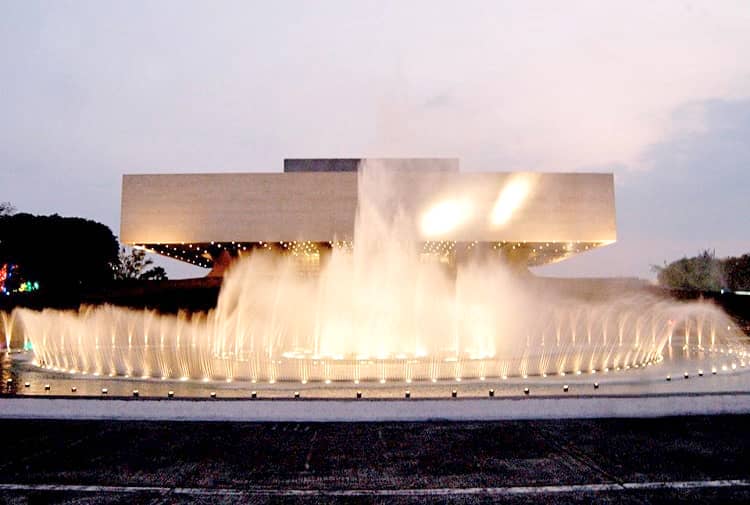
Photo courtesy of culturalcenter.gov.ph/
Beyond these familiar places, Manila is quietly transforming. The Pasig River, once neglected, is being brought back to life through rehabilitation efforts that aim to restore its role in the city. Walkways and public spaces now line parts of its banks, inviting people to return to where Manila first began.
Neighborhoods are finding new rhythm too just like Malate’s evening scene which shifted into one centered on shared meals and meaningful conversations. An updated take on a place once only known for drinks and for a moment was replaced with new city options but revived into a much more familiar space where the city itself learned glow in the night while slowing down.
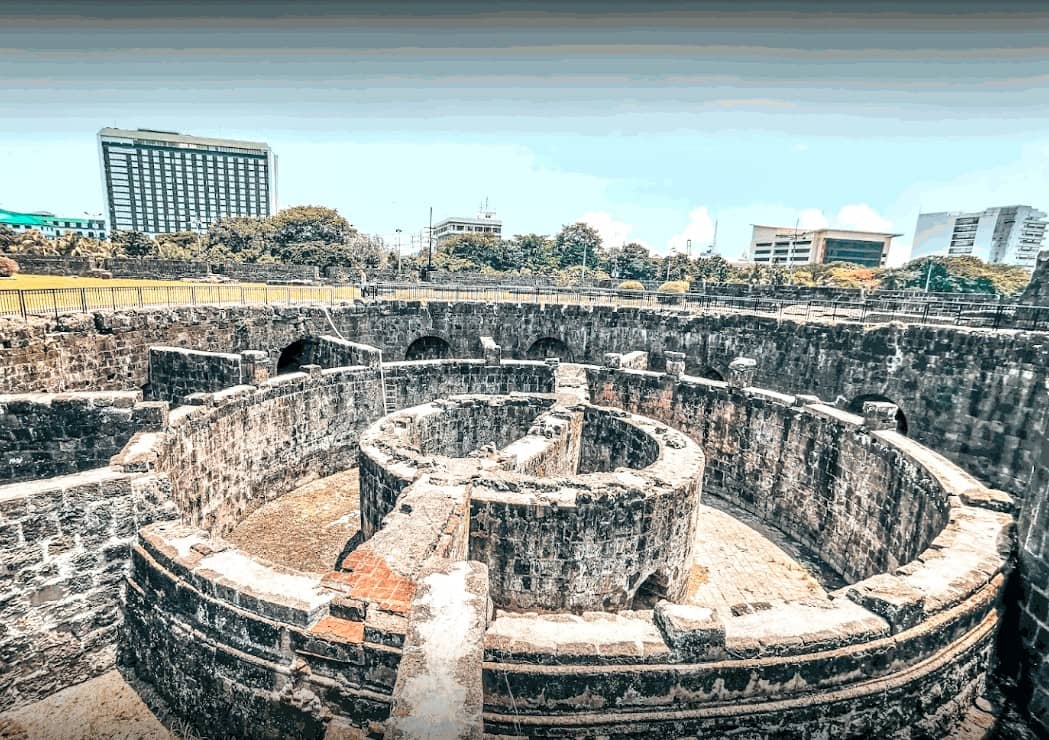
Photo courtesy of hiketomountains.com
Much of this change is shaped by ongoing efforts to improve daily life. Under Mayor Isko Moreno and Vice Mayor Chi Atienza, projects have focused on both community and infrastructure. Parks for senior citizens and pet owners in Pandacan, improved health centers in San Nicolas, and a new library in Paco reflect a city investing in its people. Cleanup drives along esteros, drainage improvements, and the care of green spaces continue to make Manila more livable, one step at a time.
These changes may seem small, but they matter. They shape how the city feels, how it moves, how it welcomes.
Manila does not ask to be perfect. It asks to be seen.
And when you take the time to walk its streets, to trace its history, and to notice its quiet transformations, you begin to understand. The love you thought was lost was never really gone.
It was simply waiting for you to find your way back.