
Phl strengthens alliances in West Philippine Sea

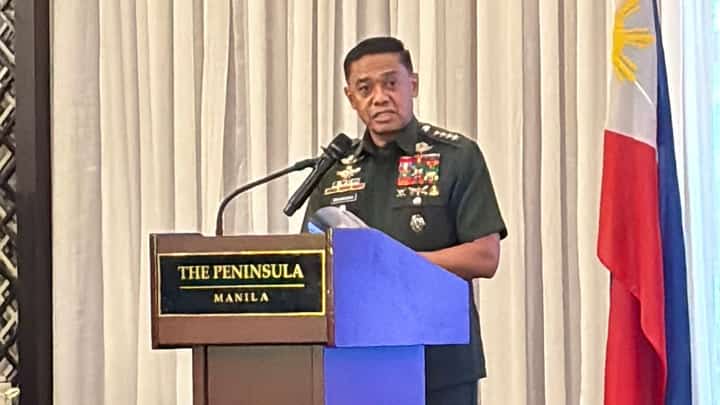
The Philippines is reinforcing its position in the West Philippine Sea by deepening security ties with allies, as officials stress that sustained international presence—not just legal rulings—is key to protecting the country’s maritime rights.
At a policy forum organized by Stratbase Institute and the Embassy of Japan to the Philippines marking 70 years of diplomatic relations between the Philippines and Japan, top defense and maritime leaders emphasized that Manila’s strategy combines legal standing with stronger partnerships on the ground.
For Stratbase Institute president Dindo Manhit, protecting sovereignty requires coordination beyond the military, calling for “strategic clarity” and broader collaboration with democratic partners.
“Because the next seventy years will not be defined by history—but by how we act today,” Manhit said. “In a region where the stakes continue to rise, the Philippines and Japan have both the opportunity and the responsibility to work together—to strengthen economic resilience, enhance security cooperation, and uphold the principles that keep our region stable and open.”
Armed Forces chief Gen. Romeo Brawner Jr. said the country would continue to rely on international law despite rising tensions in disputed waters.
“In the face of the People’s Republic of China’s increasing assertiveness in the West Philippine Sea and the broader South China Sea, the Philippines remains firmly anchored in international law, diplomacy, and transparency,” Brawner said, describing the country’s posture as “principled restraint, coupled with resolve.”
He reiterated that the Philippines would assert its claims through peaceful means, anchored on the 2016 arbitral ruling under United Nations Convention on the Law of the Sea, which invalidated China’s expansive claims.
Officials pointed to expanding defense engagements, including joint military exercises and new cooperative frameworks with like-minded nations, as part of efforts to maintain a credible presence in contested areas.
Philippine Coast Guard commandant Adm. Ronnie Gil Gavan said daily operations in the area reflect ongoing pressure on Filipino personnel.
“Security at sea is a human right,” Gavan said, noting that coast guard forces continue to safeguard fishers and respond to incidents despite repeated confrontations.
He added that cooperation with partners such as Japan helps sustain operations while ensuring Philippine forces remain “professional, yet unyielding.”
Former Supreme Court justice Antonio Carpio underscored that the arbitral victory gains strength through continued support from allied nations.
“Every time the U.S. and its allies sail in the West Philippine Sea … that is enforcement,” Carpio said, pointing to joint naval activities as a practical way of upholding the ruling.
He also urged the government to explore additional legal avenues to reinforce the country’s claims and build wider international backing.
The forum, organized by the Stratbase Institute and the Embassy of Japan, highlighted how security cooperation is increasingly tied to economic stability, with officials warning that unresolved tensions could affect trade routes and regional growth.