
Quimbo pushes easier public access to renewable energy systems
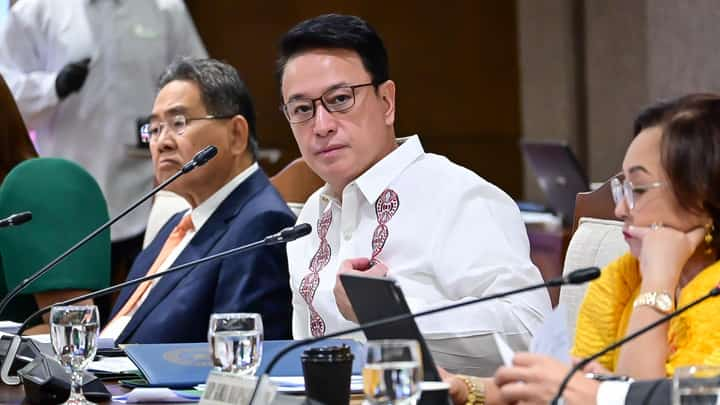
Marikina 2nd District Rep. Miro Quimbo expressed the importance of implementing measures that would make renewable forms of electricity more accessible for the public, particularly at a time when tensions in the Middle East have led to a volatile market.
Quimbo shared the sentiment as he referenced a recently-approved bill at the Committee on Ways and Means which allowed qualified consumers to install a “zero-export” energy system that lessened costs that were incurred from purchasing power from distribution utilities.
“It’s high time we recognize the right of Filipino families to generate their own electricity and support them with clear rules, practical incentives, and what help is available to cover the cost,” the lawmaker said.
“We can’t control the crisis that is affecting the price of electricity in the global market, but we can make rooftop solar affordable for every Filipino,” he added.
The measure that he mentioned came from a referral of the House Committee on Energy, which consolidated 19 measures that sought to amend the Electric Power Industry Reform Act of 2001 that reformed the structure of the country’s electricity sector.
In the approved measure, Quimbo along with other lawmakers agreed in removing a real property tax exemption that was proposed in the bill amid arguments from the Department of Finance (DOF) and local government taxing authorities.
The DOF, in particular, pointed out that some individuals were already receiving several tax incentives under the CREATE MORE Act, including decreases in corporate tax income, the value-added tax zero-rating, and an income tax holiday.
The bill similarly urged local manufacturers to craft equipment for renewable energy systems while also sharpening the skills of Filipinos that would serve as installers and technicians of the panels.
Amid consideration of the arguments and the need for renewable forms of energy, Quimbo reiterated that granting the ability for the people to pursue alternative means of electricity was among the responsibilities of lawmakers.
“Filipinos, by putting their own money into solar, are helping lead a clean energy revolution from their own rooftops. Our job in Congress is to make it easier for the next family to take take that same step,”