
Cebu Pacific eyes 100-plane fleet by year-end
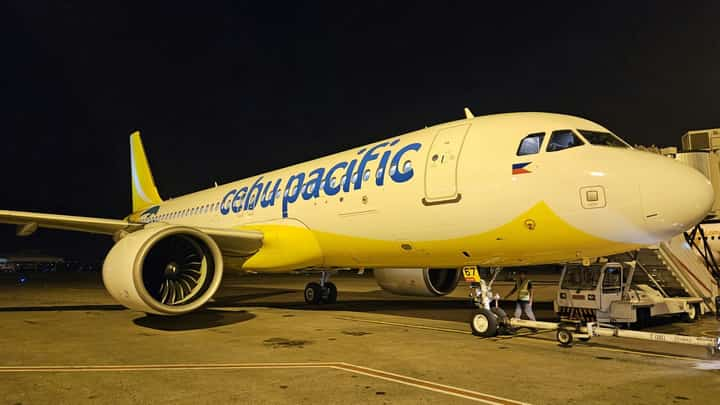
Cebu Pacific (CEB) expects to end the year with approximately 100 aircraft as the budget carrier presses ahead with fleet expansion to accommodate passenger demand despite a slowing economy.
CEB President and Chief Commercial Officer Xander Lao said the airline is awaiting one more widebody aircraft, which could arrive in December or January due to a delivery delay.
The incoming aircraft will complete the carrier’s fleet of 16 Airbus A330s, with seven additional narrowbody aircraft scheduled for delivery in 2027.
“I think we’re expecting one more widebody, uh, that’s coming, that may come in December or January,” Lao told reporters on Tuesday.
Most of the airline’s scheduled aircraft deliveries for the year have already been completed, keeping the carrier on track to close 2026 with a fleet of around 100 planes.
“Well, it comes and goes, but I think officially we’ll end the year with 100, uh, aircraft,” Lao said.
The seven aircraft expected next year will all be new-generation narrowbody models, supporting CEB’s efforts to expand capacity and improve operating efficiency.
The continued fleet buildup reflects the airline’s confidence in the Philippine travel market despite inflationary pressures and a weaker-than-expected economic environment.
Lao said CEB expects to surpass the 26.9 million passengers it carried last year, supported by sustained growth in passenger traffic since June and strong forward bookings for the holiday season.
“No, we certainly will—will surpass the 26.9 million. Uh, I just can’t give you a specific number of what that will be,” he said.
Passenger volumes have increased consistently since June, following relatively flat year-on-year growth in the second quarter.
“Forward bookings are strong; there’s a lot of interest to travel, whether domestically or internationally,” Lao added.
CEB is also positioning itself to benefit from regional airport upgrades, particularly in Coron and Bukidnon, which could allow the airline to deploy larger, more fuel-efficient jets and open additional opportunities in emerging tourism markets.
Lao said jet operations offer better economics than turboprops because of lower fuel consumption and higher seating capacity, allowing airlines to distribute operating costs across more passengers.
“We think that the economics of the jets are substantially better than the turboprops. First of all, we have more fuel-efficient engines on the jets, and secondly, we have more seats, so we’re able to spread out the fixed costs across more seats,” he said.
Despite its focus on jet operations, CEB intends to retain turboprop aircraft to serve smaller destinations where airport infrastructure remains inadequate for larger planes.
Lao said expanding the airline’s network while keeping fares affordable would remain central to sustaining passenger growth.
“If we think that we can make fares more affordable, if we think we can make the network larger, people will continue to travel and—and have a reason to do so,” he said.