
THE PIÑA ODYSSEY
‘Yarn is my medium. The loom is my tool. Textile is my language and fashion is my expression.’
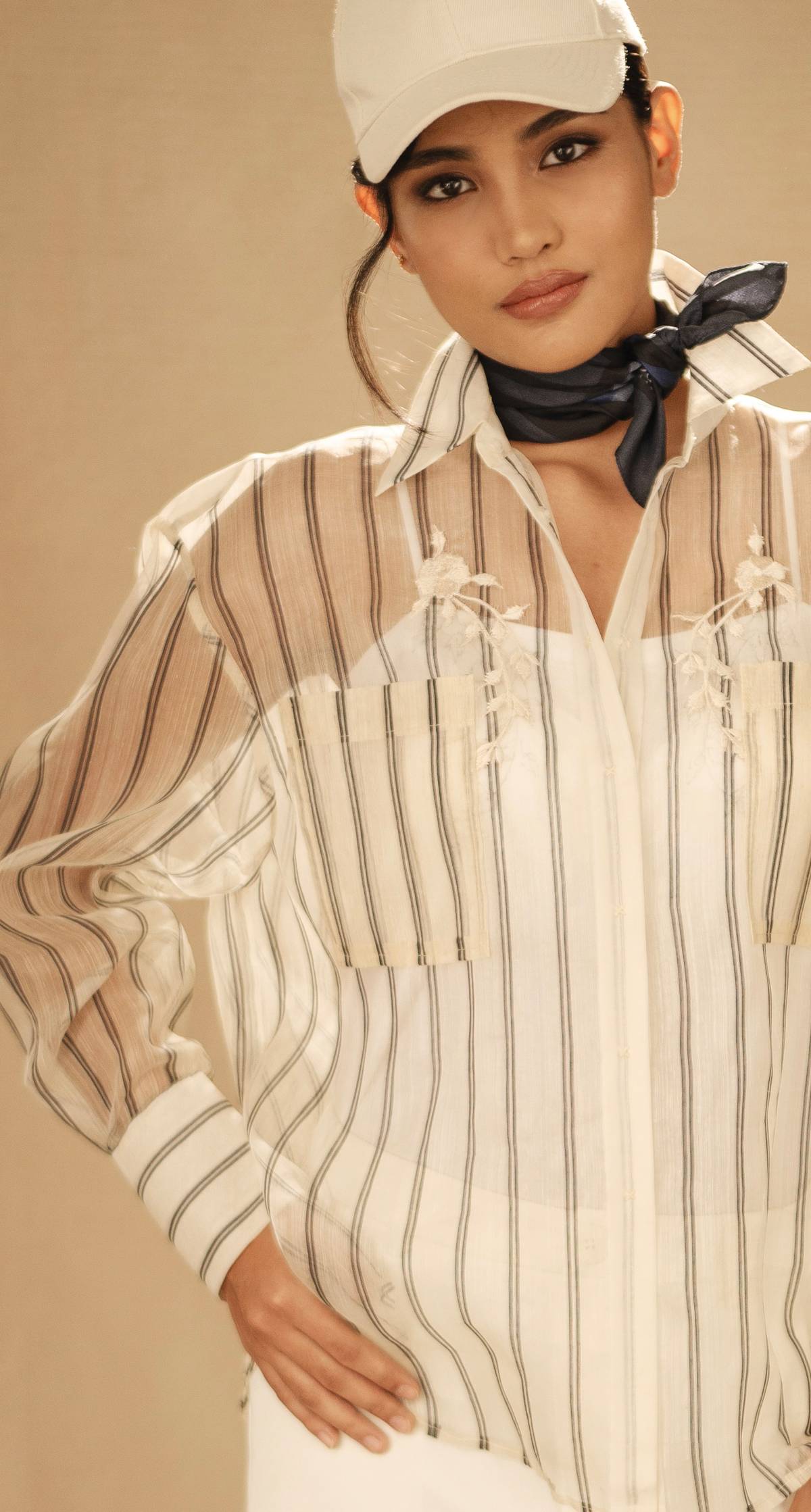
TAN-GAN has redefined raw piña fiber, reshaping a delicate traditional weave into versatile, fluid and packable luxury.
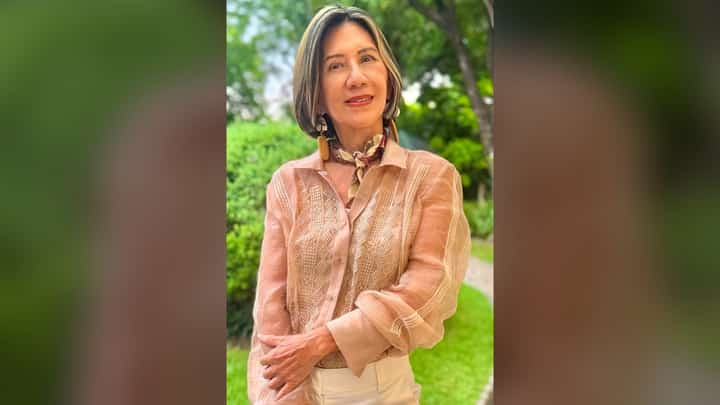
In this exclusive NEWNOWNEXT one-on-one, we sit down with visionary designer, purveyor, and cultural advocate Lulu Tan-Gan, whose latest collection, Tailored Traditions: Tan-Gan’s Shirt Stories, flawlessly redefines the landscape of contemporary artisanal fashion. On the heels of her highly anticipated pop-up launch at the Powerplant Mall, Tan-Gan reflects on a remarkable 20-year odyssey of manipulating raw, ethereal piña fiber into a medium of fluid, travel-friendly, and understated luxury. By fusing heritage textiles with sporty, tailored silhouettes, she strips away extravagance to honor modern Filipino identity. It is a masterclass in quiet confidence, proving that true luxury resides in radical refinement and authentic simplicity.
NewNowNext: How long have you been in Philippine fashion, and why have you stayed?
Lulu Tan-Gan: Throughout my almost five decade career in ready-to-wear, my enduring philosophy has been creating travel-friendly fashion — a rewarding yet challenging passion that demands adaptability and commitment to constant innovation by designing fabrics from scratch to ensure they are marketable. Long before sustainability and handmade craftsmanship became essential global responses to climate change, these principles were already at the heart of my practice; I never followed a trend it was simply how I chose to work from the very beginning.
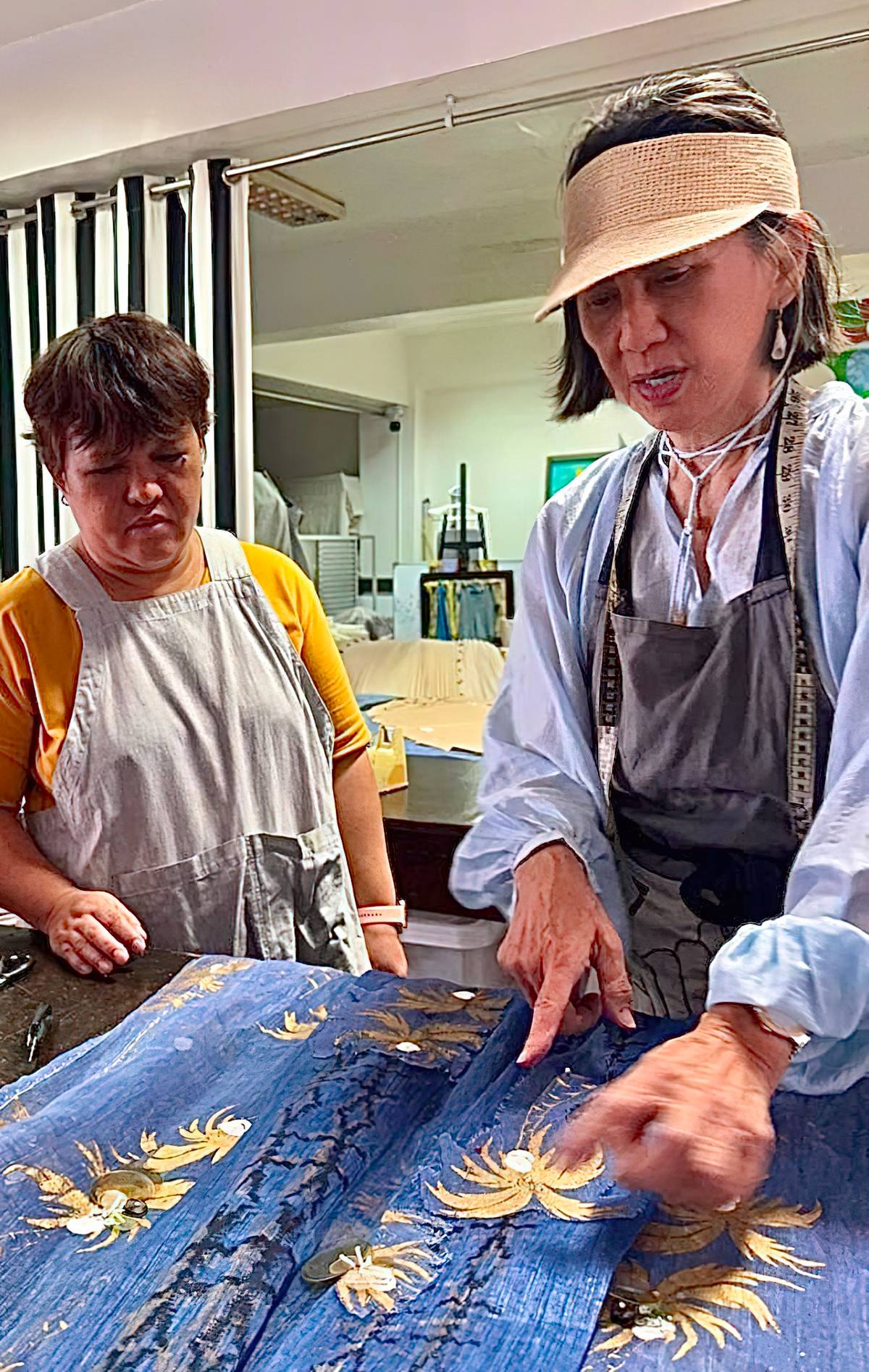
WORK and play at the atelier.
You’ve been immortalized in the local fashion landscape for your knits and piña, what made you have a fascination with them.
Crafting fashion is in my DNA. I’ve always been fascinated by creating textiles — from hand-loomed knits to working with piña and its traditional weaving. My love for arts and crafts naturally led me to hand-loomed, eco-friendly textile construction. I suppose I am as much a textile designer as a fashion designer. Today, I feel very much in sync with the movement toward slow and sustainable fashion.
What does piña mean to you since you’re one of the pioneers in making the fabric contemporary?
I have a deep personal connection with piña, captivated by its ethereal beauty and rich heritage. In 2007, opening my Greenbelt 5 store gave me a platform to champion piña and innovate its textures and applications, bringing it beyond traditional use into contemporary fashion. For me, innovation must go hand in hand with preservation — protecting Piña’s cultural heritage and craftsmanship while keeping it relevant today.
You built your early reputation by doing what many thought impossible: introducing knitwear to a tropical climate and making it the ultimate jet-set chic. Decades later, you masterfully paired the elastic stretch of knits with the rigid, translucent elegance of handwoven piña. When engineering this transition, how did you balance the different physical mechanics of these two textiles without compromising the fluid, comfortable silhouette your brand is known for?
Transitioning after 20 years in knitwear to ready-to-wear piña meant navigating two absolute opposites — one heavy and stretchable, the other featherlight, translucent, and fragile. When knitting with piña yarn proved impossible, my solution was amalgamating the materials through innovative layering rather than blending the fibers. By engineering finer, neutral-toned knits to serve as comfortable underlayers, and experimenting with washing, dyeing, and fabric manipulation to make the delicate piña more versatile, I preserved its signature fluidity while adding modern ease of movement. Ultimately, true innovation meant uniting these two contrasting textile languages without compromising their individual characters — a direction beautifully embraced by the global trend toward translucency.
Your collection for the Red Charity Gala brought a profound focus to a ‘Farm-to-Fashion’ philosophy. How do you ensure that the complex, multi-layered reality of sustainable agriculture and rural artisan life translates clearly into high-end contemporary wear?
We must first build a healthy supply chain, from responsible sourcing to market.
Designers and retail brands must translate indigenous textiles into beautiful, contemporary products. We need an Innovation Hub bringing together artisans, designers, industrial engineers and DoST-PTRI to develop commercially viable materials and help artisans establish material standards, proper labeling, and recognition of cultural heritage. Garment-making should not be their priority as it requires technical expertise to avoid poorly made products that can devalue these indigenous textiles. Our mission is to elevate Filipino fashion by strengthening the industry behind it.
While many designers view the transparency of piña as a challenge, you treated it as a canvas for styling — transforming it into layered coats, tunics, and cargo pants. What drives you in making tradition updated and wearable.
My innovation is simple: to showcase the ethereal natural beauty of piña. The inner wear allows versatility in looks. You can dress it up or dress it down. With a light T shirt underneath, you feel more comfy and casual. With lacey inner wear, you dress-it up or experiment with prints.
As a powerful industry voice who helped establish the Fashion Design and Merchandising program at De La Salle-College of Saint Benilde, you bridge the gap between design legends and emerging students. What is the hardest piece of wisdom to teach the next generation about the patience required for slow, handcrafted, zero-waste fashion?
Heritage is a remarkable starting point. It already gives us the foundation to build on. Our rich textile, skilled artisans, and diverse cultural influences add on value.
Explore different crafts, learn the techniques, then choose a medium to master. It will help define your design identity. Craft is also therapeutic! If yarn is my medium. Hand loom is my tool (knit, weave). Textile is my language and fashion is my expression. What’s yours?
If you’re tech-savvy, use YouTube to explore other cultures and learn new skills. Look beyond fashion for inspiration — you never know where your next idea will come from!
Create timeless designs and make use of waste.
You have mentioned navigating your creative process through six senses — starting with feeling, moving to thinking, and culminating in intuition. When faced with a creative block or an unpredictable industry shift, how do you tune out the noise to let your sixth sense guide your next major pivot?
Having space and being close to nature is the ultimate luxury — the freedom to step away and tune out the noise, the crowds, and the rush of everyday life.
In the fleeting world of fashion, people have come and go, and only a true master can stand the test of time. And for one as seasoned as Lulu Tan-Gan, what is next to come?
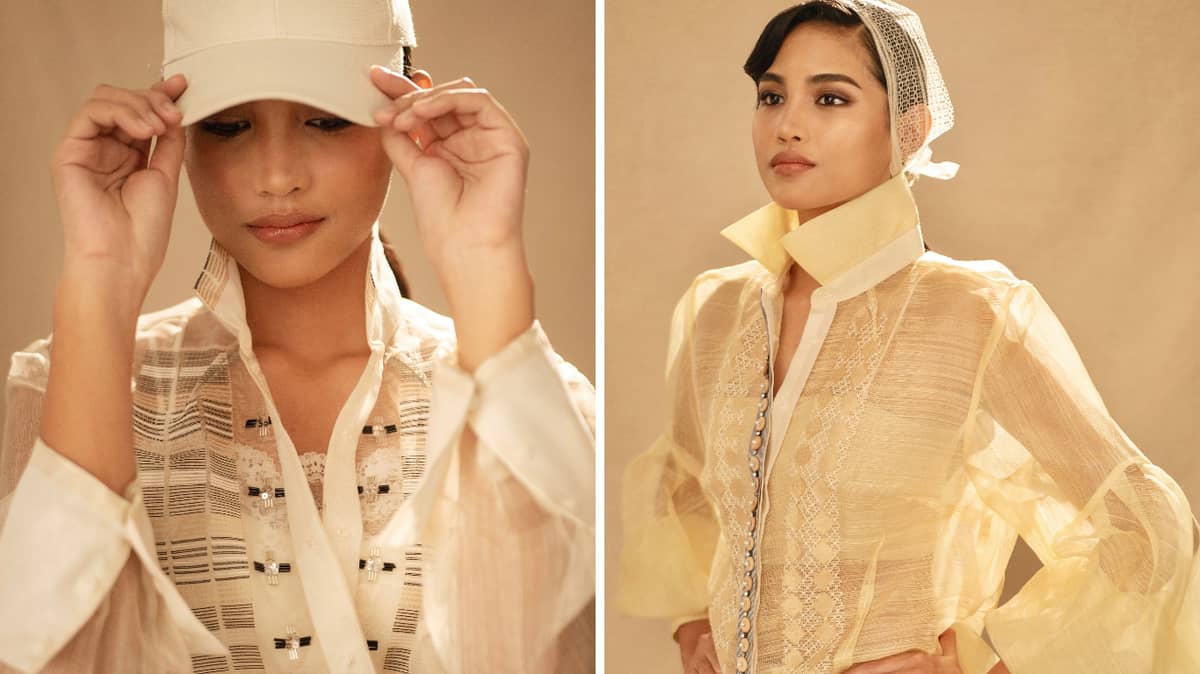
IN the fleeting world of fashion, people have come and go, and only a true master can stand the test of time.
SHIRT STORIES….. I hope I keep my word.