
A succession problem
The opportunity to appoint a ‘new’ vice president also presents too strong a temptation to groom a potential presidential candidate for 2028.
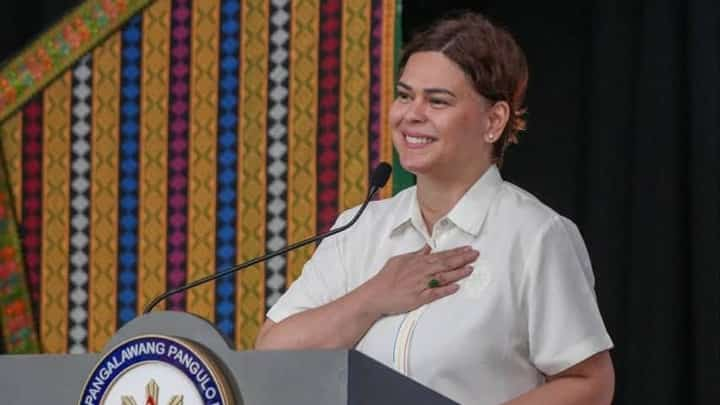
The vote for conviction in the impeachment trial of Vice President Sara Duterte is looming on the horizon, but who will take over the second highest office in the land if its elected occupant is removed?
Article XI, Section 3(7) of the Constitution says that removal from office due to impeachment carries perpetual disqualification from holding any public office. The House prosecution has been uncompromising on this point, rejecting any suggestion of a “compromise” that would let Duterte leave office while preserving her eligibility for 2028.
With the numbers on the side of the prosecution and the case now narrowed to a single article on unexplained wealth, a guilty verdict is more likely than not.
In the case of a vacancy in the presidency, the vice president automatically assumes the presidency, while the Senate president steps in as the vice president. However, a vacancy in the vice presidency is different. There is neither an office-based line of succession nor a mandate for a special election to fill a mid-term vacancy. Instead, it applies a mechanism that looks more like a political appointment than a constitutional succession: the President nominates and the Congress confirms.
The result: a vice president who owes the office not to a national mandate, but to the President’s nomination and Congress’ confirmation. That is a constitutionally legitimate outcome, but it is a politically constructed one — one that changes the character of the office for the remainder of the unexpired term.
What could the Palace be thinking or considering going into the delicate task of vetting and choosing who should serve the remainder of Sara Duterte’s term if she is convicted? The Palace has denied that any discussions are underway, insisting that it is too early and that to do so would be disrespectful to the Vice President. But the political pundits are already reading the signals.
And make no mistake, what is at stake is not merely about filling a vacancy.
From the perspective of a President who is not looking for an heir but for a stabilizer — the Palace is looking for someone who will not turn the second-highest office into a rival launching pad — a vice president without presidential ambitions would be a safe choice in stark contrast to the threat Sara Duterte posed.
But then again, the opportunity to appoint a “new” vice president also presents too strong a temptation to groom a potential presidentiable for 2028. But this presupposes that the Marcos Jr. administration will be able to overcome its dismal approval and trust ratings with enough good will and political capital to gain considerable influence and endorsement power going into the 2028 elections.
Ultimately, the choice of who will sit as Vice President after Duterte will be a real test of whether Marcos Jr. can engineer a political continuity — not just through an endorsement, but through the machinery of the state itself.
The real question for 2028 is not simply who becomes Vice President once Sara Duterte is removed. It is whether the Marcos Jr. administration can use that vacancy to consolidate a successor project — or whether that vacancy becomes the final straw to signal the downfall of the dynasty from the once solid North.
There is time. But not much. The moment the Senate, sitting as an impeachment court, renders a verdict, the political clock starts ticking — and that choice will tell us more about the administration’s priorities than any survey or endorsement ever could.