
Budget cut leaves Customs blind
‘We are asking for what we consider the necessary budget to implement our projects, but it was not granted. Then they blame us.’

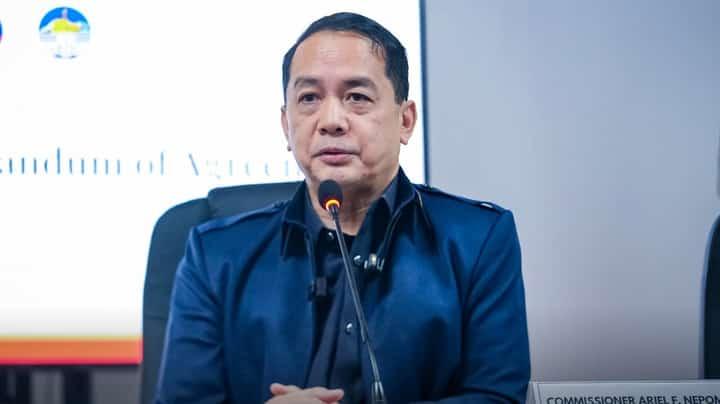
The Bureau of Customs’ (BoC) proposed P29.9-billion budget for 2027 was slashed by the Department of Budget and Management (DBM) down to P5.9 billion, raising concerns the cut would derail automation projects aimed at curbing smuggling and strengthening border security.
Customs Commissioner Ariel Nepomuceno said the agency was pursuing 15 information technology projects, including the National Single Window and Customs Processing System, as part of its modernization drive.
“These are transformative initiatives laying the foundation for a fully automated, integrated, and paperless customs environment that will enhance trade facilitation, promote transparency, and strengthen border security,” he said in an exclusive interview.
Nepomuceno said the BoC inherited a P7.2-billion budget and proposed a reformed allocation of P29.9 billion for next year. However, the 2027 National Expenditure Program (NEP) reduced its funding to P5.9 billion, leaving only the allocation for maintenance and other operating expenses.
He said the amount sought for modernization represented only a few days of the agency’s revenue collections.
Preliminary BoC data showed the agency collected P757.406 billion from January to September this year, exceeding its P748.494-billion target for the period. Customs revenues help fund government programs, including infrastructure, education and healthcare.
“We are asking for what we consider the necessary budget to implement our projects, but it was not granted. Then they blame us,” Nepomuceno said.
He cited the lack of radiation detection equipment and patrol vessels as examples of the limitations facing the agency.
“We are blamed when radioactive materials are not intercepted, but we have no sensors. We ask for funding, but it is not provided. The same goes for smuggling on the high seas, as we have no vessels of our own because our requested budget was cut,” he said.
Nepomuceno said the BoC was counting on the House of Representatives and the Senate to review its proposed projects and provide adequate funding during their deliberations on the national budget.
Palace support
Malacañang expressed support for the agency’s request, saying additional machinery and equipment were needed to strengthen anti-smuggling efforts.
Presidential Communications Office Undersecretary Claire Castro said the House-approved budget would be followed by the Senate version and the bicameral conference committee.
“Customs really needs additional machinery and equipment to better address smuggling. The Senate will have its version, followed by the bicameral conference. Although Congress holds the power of the purse, it would be good for the lawmakers to understand why agencies such as the BoC need this funding,” Castro said.
First border control facility
Part of the proposed budget was intended to establish the first border control facility to curb agricultural smuggling and prevent the entry of diseases through imported livestock and agricultural products.
Nepomuceno said inspections were currently conducted in importers’ warehouses, leaving the process vulnerable to corruption.
“To curb agricultural smuggling, the first line of defense is border control. Goods should be inspected upon entry. The government should conduct these inspections rather than leave them to importers’ warehouses,” he said, adding that the BoC would implement the program.
He said the proposed facility, which would include cold storage, was not approved.
Agriculture Secretary Francisco Tiu Laurel Jr. earlier said the planned facilities in Subic, Zambales, Batangas, Cebu and Davao still lacked a Special Allotment Release Order from the DBM.
In 2024, the Department of Agriculture cited the country’s first Q fever case linked to imported goats from the United States, along with persistent agricultural smuggling, as reasons to strengthen border inspections.
The P2.3-billion Cold Examination Facilities for Agriculture program was designed to inspect imported animal, fish, plant, and other agricultural products to protect food safety and prevent the entry of pests and animal diseases.