
Unemployment rate rises to 5.4% — PSA
Jobs crunch puts .9-M out of work
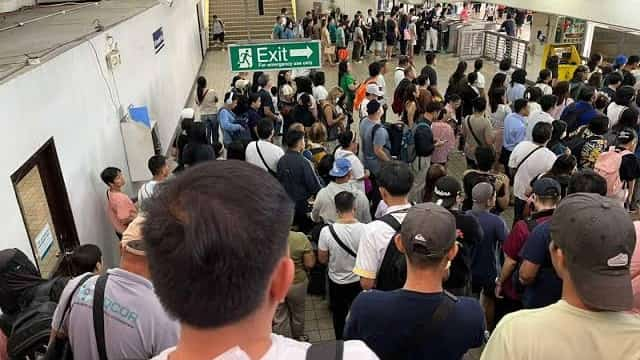
The inflation crisis revealed Wednesday by the 7.8-percent surge in the closely watched indicator has been aggravated by nearly 900,000 more Filipinos unemployed in September than a year earlier, as the country struggles to generate enough jobs to keep pace with its expanding workforce.
Philippine Statistics Authority (PSA) data released on Friday showed that the number of unemployed Filipinos climbed to 2.86 million in September from 1.96 million a year earlier, pushing the unemployment rate to 5.4 percent from 3.8 percent.
The labor force grew by about 1.63 million, with about 988,000 of the new entrants aged 15 to 24, while employment rose by only 721,000, according to National Statistician Claire Dennis Mapa.
The youth bulge that development planners have long awaited is now reaching the labor market, and the economy is not absorbing it, thus squandering the so-called demographic dividend.
The World Bank describes the dividend as a 20- to 30-year period in which the working-age share of the population rises rapidly relative to dependents, but the gain materializes only if those workers are employed.
A study led by Mapa for the UN Population Fund warned that high unemployment and underemployment among young workers, alongside slow fertility decline, threaten the window of opportunity.
The World Bank has said the country has only about one generation, or 20 to 25 years, before the window closes.
Each month of rising joblessness among new entrants closes part of a finite window that cannot be recovered.
Jobs lag behind new workers
Despite the worsening unemployment figures, the number of employed Filipinos increased to 50.32 million from 49.60 million a year earlier, indicating that jobs creation failed to keep pace with the expanding workforce.
The labor force grew to 53.19 million from 51.56 million in September 2025, while the labor force participation rate remained unchanged at 64.5 percent.
“In September 2026, the average weekly hours worked per employed person was estimated at 40.1 hours, lower than the 40.5 hours recorded in September 2025, but higher than the 39.2 hours observed in August 2026,” the PSA report said.
Meanwhile, millions of Filipinos with jobs continued to seek additional income opportunities or longer working hours.
The PSA said the underemployment rate eased slightly to 11.0 percent from 11.1 percent a year earlier and 11.9 percent in August, translating to 5.56 million employed Filipinos seeking additional work.
Employment trends also remained uneven across industries, with construction recording the largest annual job losses at 271,000, followed by arts, entertainment and recreation at 163,000 and information and communication at 105,000.
Meanwhile, accommodation and food services generated 834,000 additional jobs, followed by transportation and storage with 254,000 and other service activities with 174,000.
Young Filipinos also faced a tougher labor market, with the youth employment rate falling to 84.7 percent from 88.4 percent a year earlier.
Of the 6.23 million employed youth, about 715,000 were underemployed, reflecting continued pressure on younger workers seeking sufficient employment.
The services sector remained the country’s largest employer, accounting for 62.2 percent of total employment, followed by agriculture at 20.7 percent, and industry at 17.1 percent.
Independent think tank Ibon Foundation said decades of market-driven policies, intensified under the Ferdinand Marcos Jr. administration through greater reliance on foreign investment, liberalization, and ease of doing business, have failed to deliver meaningful economic development or quality jobs.
The group said that a decisive shift toward strengthening domestic agriculture and Filipino industries is necessary to generate decent and sustainable employment.