
Why did DPWH wait for a scandal to act?
(OPINION)

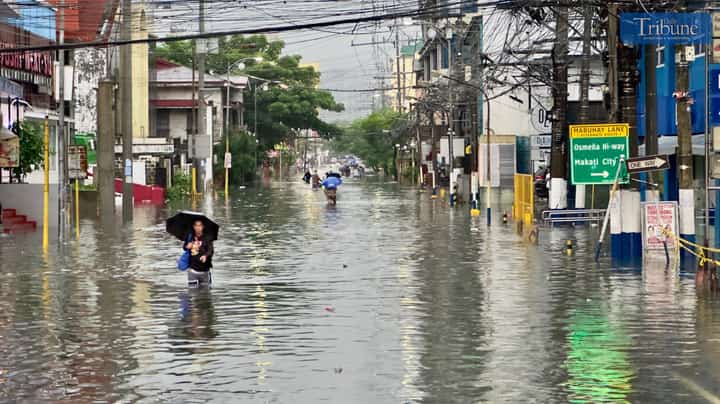
For years, Filipinos endured flooded streets, unfinished infrastructure, and delayed repairs while billions of pesos were poured into public works. Then came the flood-control scandal, and Vince Dizon took the helm of the Department of Public Works and Highways (DPWH).
Suddenly, projects were being inspected, repairs expedited, and officials pressed to act.
Dizon deserves credit for bringing urgency to a department facing a crisis of public confidence. But his efforts raise an uncomfortable question for those who held positions of responsibility before him: If these things can be done now, what prevented them from being done earlier?
Government infrastructure projects involve procurement, engineering assessments, budget releases, and right-of-way issues. Delays are sometimes unavoidable. But there is a difference between legitimate technical difficulties and inaction caused by poor management, complacency, or an unwillingness to act.
When drainage systems remain unrepaired, communities flood. When contractors fail to finish projects on time, residents continue to suffer. When defective flood-control structures go unaddressed, families remain vulnerable to the next typhoon.
For former DPWH officials and employees who had the authority to address these problems, the questions are unavoidable: Were deadlines enforced? Were contractors held accountable? Were defective projects investigated promptly? Did they exhaust every legitimate means to ensure public funds protected communities?
If the answer is yes, why does urgency appear more visible now? If the answer is no, those responsible for unnecessary delays must explain their inaction.
Not every former official or employee deserves blame. Many engineers and personnel perform their duties conscientiously under difficult conditions. Accountability must distinguish them from those who neglected their responsibilities. Public service, however, cannot become a refuge for people who treat urgency as optional and responsibility as someone else's problem.
More disturbing are allegations of corruption, favoritism, and questionable transactions surrounding flood-control projects. Claims involving illicit commissions and unauthorized payments deserve serious investigation. If officials obstructed legitimate processes or favored contractors for personal gain, they betrayed public trust. Such allegations must be established through evidence and due process.
Meanwhile, Dizon must sustain this momentum and turn renewed urgency into lasting reform. Projects must be monitored transparently, contractors held to their commitments, and officials held accountable for proven negligence or misconduct.
The public should not have to wait for another scandal before government offices begin treating their responsibilities as urgent.
Perhaps the most revealing aspect of this episode is that Filipinos must reconsider what they have been told about government delays for years. If projects can be expedited today, some delays may have been avoidable. If contractors can be compelled to explain themselves now, they should have been answerable before. Communities deserved the same attention long before the scandal erupted.
Dizon deserves recognition for pushing the department toward greater urgency. But those who previously held positions of authority must confront the questions his actions have exposed.
Was the problem a lack of capacity, a culture of complacency, or a system in which corruption allegedly made public service serve private interests?
Filipinos deserve answers, not another round of excuses.
When government personnel forget the urgency of public service, the consequences are borne not by those sitting behind office desks, but by families standing in floodwaters.
No taxpayer should have to wonder whether the government was incapable of protecting them or simply failed to do everything it could.