
DA taps 7 farms to boost swine population in Central Luzon

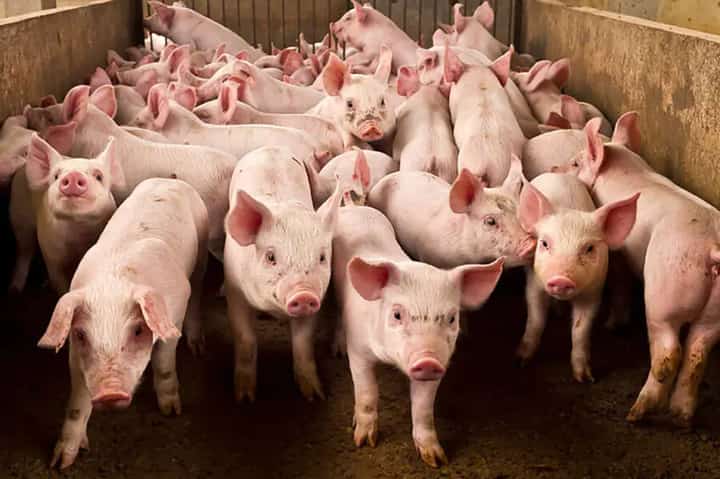
Seven accredited swine multiplier farms and the Department of Agriculture-Regional Field Office 3 (DA-RFO 3) are set to increase the swine population in Central Luzon through the implementation of the Swine Repopulation Project (SRP).
The initiative was formalized through the signing of a memorandum of agreement (MOA) between the DA-RFO 3 and the seven swine farms at the agency's office in San Fernando City, Pampanga, on 12 October 2026.
Regional Executive Director Dr. Eduardo L. Lapuz Jr. led the signing ceremony, together with Regional Technical Director for Operations, Extension, and Agribusiness and Agribusiness and Marketing Assistance Division (AMAD) head Dr. Arthur D. Dayrit, and Regional Livestock Coordinator Gil G. David.
The tripartite agreement involves the DA-RFO 3, the Bureau of Animal Industry (BAI), the project's primary implementing unit at the national level, and the beneficiary farms.
The seven beneficiary farms are NF Elite Hog Farm Inc. in Palauig, Zambales; Global Essential Foods Inc. (Forestiera Farm) in Santa Maria, Bulacan; JJK Farms in Magalang, Pampanga; Betterdays Livestock Farm in San Ildefonso and San Rafael, Bulacan; Saint Francis Integrated Farm in Gapan City, Nueva Ecija; Mirsan Piggery Farm in Cabanatuan City, Nueva Ecija; and T&G Enterprise in San Narciso, Zambales.
The initiative falls under the National Animal Industry Development Plan (NAIDP) and the Hog Industry Roadmap. It is aligned with Republic Act No. 12308, or the Animal Industry Development and Competitiveness Act, Republic Act No. 8435, and DA Memorandum Circular Nos. 10 and 25, series of 2026.
Under the agreement, the seven farms will receive quality F1 sows, a cross between Large White/Yorkshire and Landrace breeds, to serve as breeding stock and help rebuild the region's swine population following losses caused by African swine fever (ASF).
In exchange for government support, each multiplier farm must return at least three female piglets for every sow received during its first two pregnancies.
The piglets must be eight to 10 weeks old, weigh 20 to 25 kilograms, have completed their required vaccinations and deworming, and be certified healthy by a licensed government veterinarian before being distributed to qualified small-scale swine farms in Central Luzon.
Beneficiary farms must also maintain at least Level II biosecurity measures, comply with ASF zoning guidelines, and submit monthly production and inventory reports.
The DA-RFO 3 will oversee operational monitoring, coordinate with local government units, and facilitate the transportation of the animals.
Meanwhile, the BAI will oversee regulation, disease-related research, and the project's overall national direction, in coordination with the National Livestock Program, to safeguard animal health and support the continued recovery of the swine industry.