
Major developers shift focus to regional housing as pre-sales fall

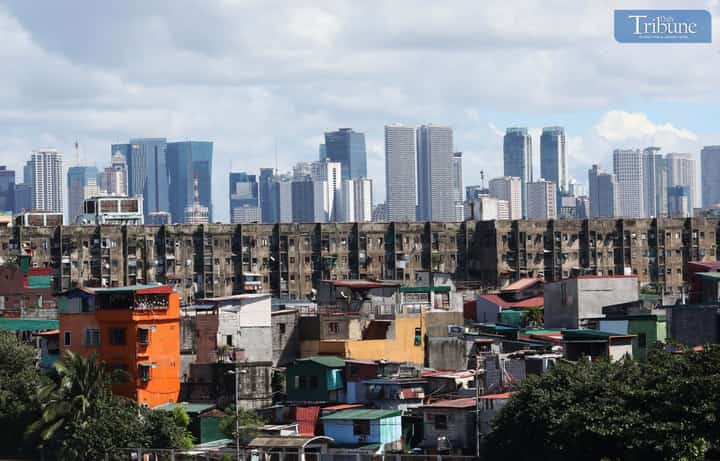
The Philippine residential real estate market is unlikely to regain significant sales momentum before late 2027 as excess condominium supply, elevated construction costs, and high borrowing rates weigh on homebuyer demand, S&P Global Ratings said.
S&P Global Ratings Corporate Ratings analyst Johann Tan warned that domestic developers face a constrained near-term outlook while struggling to accelerate residential sales volume amid ongoing economic pressures.
The ongoing market slump is reflected in the midyear financial performance of the nation's major property firms—Ayala Land Inc., SM Prime Holdings Inc., Robinsons Land Corp., and Megaworld Corp.—whose combined residential pre-sales dropped 7 percent in the first half of 2026.
Tan said the residential sector's eventual rebound hinges on the easing of macroeconomic headwinds that have weakened consumer purchasing power and slowed the market absorption of completed residential units.
Elevated levels of unsold inventory remain a persistent structural concern, forcing major developers to curtail new land investments and scale back aggressive project launches.
"They will take some time to go away, and overall, it remains quite a weak outlook with meaningful improvement in the residential segment only expected in the late part of 2027, where hopefully these macro headwinds die down," Tan said.
Developers are reallocating capital into core and affordable housing developments, which continue to drive primary sales. However, analysts noted that middle-income buyers remain sensitive to inflation shifts and high mortgage interest rates.
To offset Metro Manila's high inventory levels, developers are prioritizing regional growth hubs outside the capital region where land costs and supply dynamics remain more favorable, alongside selective luxury projects aimed at high-net-worth buyers.
The challenges in the Philippines reflect broader regional real estate trends across Southeast Asia, where rising material expenses and elevated financing costs are forcing developers to adjust pricing strategies and delay capital expenditures.
Fiona Chen, associate director for Southeast Asia corporate and infrastructure ratings at S&P Global Ratings, cited that regional property firms are increasingly expanding recurring-income commercial portfolios and diversifying credit sources to cushion balance sheets against debt refinancing risks.