
Wanted: Guardians for the backbone of Luzon
The Sierra Madre cannot speak for itself, nor can it indefinitely absorb the double blow of violent typhoons, illicit soil-stripping, and human avarice.

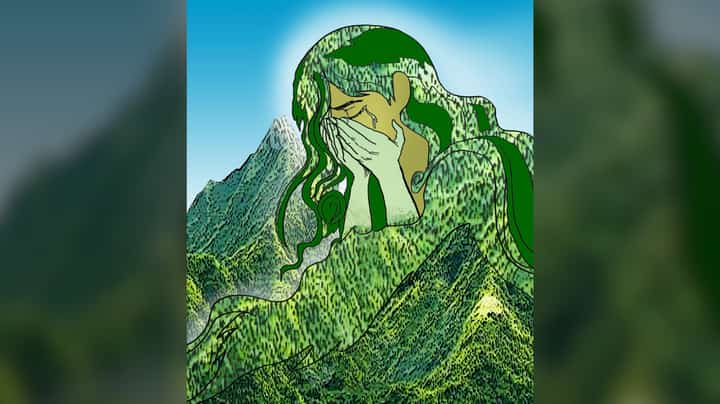
Sack by sack, the Sierra Madre is being carted away. In quiet corners of digital feeds and clandestine local trades, native soil stripped right from the foothills of our greatest mountain range is allegedly sold in bags — a shocking, micro-level indignity happening right under our noses.
It is a grim metaphor for how we treat our ultimate protector: a massive, 500-kilometer bulwark stretching down the eastern coast of Luzon that blunts the fury of super typhoons and saves Metro Manila from erasure, yet is slowly being bled dry.
While public outrage routinely flares over massive illegal logging or controversial development projects, the stealthy pillaging of the Sierra Madre happens in truckloads and dirt bags. It is stripped bare by clandestine quarrying, encroached upon by opportunistic settlements, and undermined by land conversion.
Thousands of hectares of forest cover vanish annually, swallowed by greed. Unlike other fragile ecosystems across the map, our natural fortress has no dedicated, deep-pocketed champion standing guard.
Think about how things are done elsewhere. Thousands of miles away, American tech billionaire Tim Sweeney — the man behind Epic Games — quietly channeled his fortune into something far more enduring than vanity projects.
He bought more than 50,000 acres of fragile North Carolina forests, locking them under permanent conservation easements. No bulldozers. No commercial flips. Just raw, breathing space given back to the earth. It is a striking picture of private wealth meeting ecological emergency: one man using capital to ensure that development simply never happens where nature needs to rest.
Here at home, the contrast is a painful irony. We are certainly not short of laws. Statutes like the National Integrated Protected Areas System (NIPAS) Act and the Chainsaw Act look pristine on paper. But walk onto the ground, and you find a system choked by bureaucratic red tape, economic desperation and collusive corruption.
The Department of Environment and Natural Resources (DENR) is perpetually underfunded and spread paper-thin, leaving marginalized Indigenous communities and overworked civil society groups to face off against entrenched commercial syndicates with very little protection of their own.
Of course, we cannot simply lean on the whims of ultra-rich benefactors. Land tenure and ancestral domain rights in the Philippines carry deep historical weight, completely distinct from the private timberlands of the American South.
Our Indigenous peoples have been the true, beating heart of the Sierra Madre for generations, and any real conservation framework must honor their sovereignty — never replicate a colonial land grab.
Still, Sweeney’s philosophy holds a mirror up to our domestic elite and homegrown tycoons. Our country boasts staggering fortunes built on real estate, banking, and infrastructure — empires that ultimately depend on a stable, disaster-free climate. Yet, corporate social responsibility here too often stops at token tree-planting PR stunts, falling pitifully short of the landscape-scale preservation we desperately need.
If our wealthiest business leaders possess the capital to reshape our city skylines, they have the means to secure our ecological lifelines.
Protecting the Sierra Madre demands a radical shift in how private wealth views legacy, paired with genuine state accountability and ironclad law enforcement. A real philanthropic push — through private trusts, buffer zones around protected parks, or endowments for Indigenous forest rangers — could rewrite the mountain’s future.
The Sierra Madre cannot speak for itself, nor can it indefinitely absorb the double blow of violent typhoons, illicit soil-stripping, and human avarice. It has shielded us for centuries, standing tall while the storms rage. It is high time we stop taking its endurance for granted, shake off our comforting apathy, and cultivate the modern guardians it needs to survive.