




Filipino’s evolving textile fabric choices
More than just choosing random curtains, sofa fabrics, or bedding designs, choose what best suits your house lighting and the natural sunlight that enters.

Text size
More than just choosing random curtains, sofa fabrics, or bedding designs, choose what best suits your house lighting and the natural sunlight that enters.
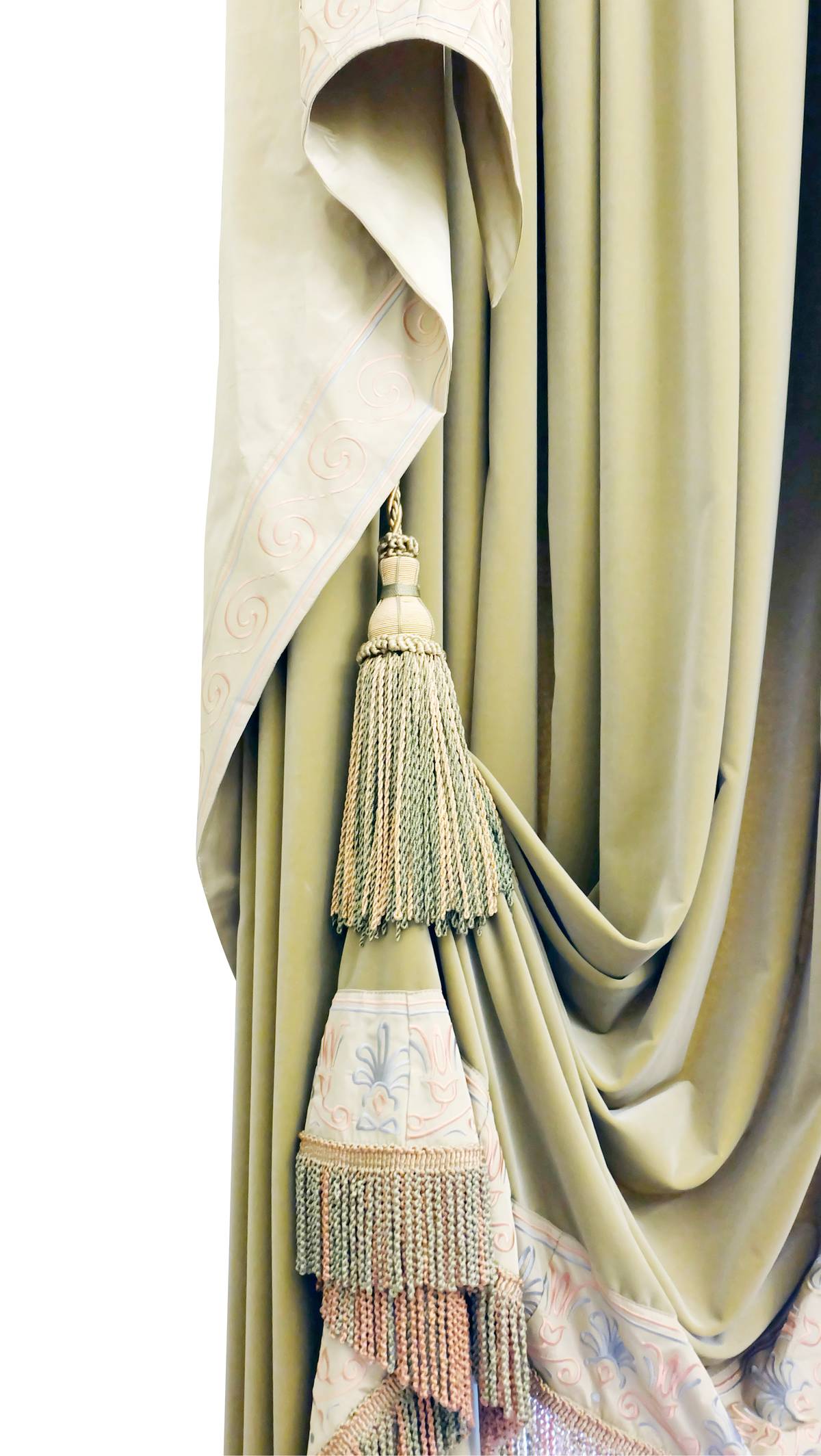
FOR living rooms, choose a soft, multi-colored fabric.
Photo courtesy of Ann Ann/Unsplash
Textiles and fabrics play a significant role in Filipino households. With their wide variety of colors and patterns, they often reflect the homeowner’s personal taste.
Familiar patterns like florals, stripes and polka dots are common, and through them, Filipinos express creativity by coordinating everything inside their home.
While design is often the top priority, the material of the fabric should also be highly considered. It affects not only the overall look of the house but also the owner’s long-term satisfaction.
When choosing the best material, sustainability should be part of the criteria. Fabrics may stay inside the house for years, but as they age, their sustainability becomes apparent. Sustainable materials not only offer greater durability but also benefit the environment, which is something we should all aim for.
One of the most common sustainable materials are organic cotton and linen. These textiles may be appealing at first glance because of their patterns, but upon closer look, their quality enhances the entire home and contributes to a more cohesive presentation. Hemp and bamboo textiles, on the other hand, are moving from niche eco-stores into mainstream interior design. Both come from fast-growing plants that require minimal water. They are notably durable and become softer with each wash. Bamboo in particular is silky, temperature-regulating, and ideal for bedding and upholstery linings.
While recycled materials may sound unusual to some, choosing fabrics made from recycled content is just as important as buying sustainably made ones. This type of material may not be for everyone, but beyond aesthetics, it brings positive effects to society and allows your evolving design preference to be more responsible.
Next on the checklist after material is texture. Velvet and corduroy in jewel tones like sapphire, emerald, and deep burgundy bring richness and a sense of occasion to any space. They are particularly effective in rooms with layered lighting, where a low table lamp can catch the pile of a velvet cushion or sofa and create a moody, textured glow. Corduroy is making a comeback, this time on cushions, headboards, and accent chairs rather than trousers. Its ribbed surface interacts beautifully with angled light, creating a subtle dimensional effect that makes a room feel intentional rather than simply assembled.
For those who want to explore underrated yet beautiful textures, ribbed weaves and waffle knits are a great place to start. They bring tactile, casual warmth to bathrooms and bedrooms. Jacquard weaves, with their intricate raised patterns, add a layer of craft and heritage that fits perfectly with artisanal or slow-design aesthetics.
In terms of pattern, earthy palettes and nature-inspired motifs such as botanical prints, oversized florals, and organic abstracts are dominating soft furnishings this year. These patterns ground a room in the natural world and pair well with woven textures and handcrafted elements.
Different textiles for different parts of the house
For the living room, which is the first space to welcome guests, choose an upholstery fabric with a soft hand and multi-colored yarns that can hide dirt and wear, especially if you have children. On a perfectly plain fabric, wear becomes more apparent.
The dining room can be more playful, with a different pattern on each chair. A durable fabric with a plain texture looks beautiful on wooden mid-century dining chairs, and using a different color for each seat creates a charming effect.
Bedrooms, though private, should be designed as a sanctuary to escape the busyness of the day. Dark, moody colors paired with white embroidered linens or luxurious accent pillows can bring the bed to life.
Lastly, for study rooms filled with books and collections from travels, ethnic textiles and conversation fabrics work perfectly. Textiles like Quill and Wonderland tell a story of places visited and can create a highly personalized feel that complements the atmosphere.
Fabric and lighting complement each other most importantly. More than just choosing random curtains, sofa fabrics, or bedding designs, choose what best suits your house lighting and the natural sunlight that enters. Lighting activates textile texture. Directional light sources such as pendants and sconces cast shadows that make woven, ribbed, and pile fabrics appear richer and more dimensional.
Tinio: Billions funneled into lump-sum aid programs
Before politics, the pressures of public life, and the Presidential Palace, Ferdinand “Bongbong” Marcos Jr. remembers a…
When a Tennessee woman was sentenced to death in 1996 for murdering a 19-year-old student the year before, she remained…
