
A city built through time

Most visitors experience Singapore through its famous landmarks — Marina Bay Sands, Gardens by the Bay, and the towering skyscrapers of the Central Business District. But beyond these familiar sights is a city with layers of architectural stories waiting to be discovered.
In just a few days, I only had a glimpse of Singapore’s diverse design landscape. From preserved heritage buildings and colorful shophouses to Brutalist structures and futuristic developments, each space reflects a different period in the city’s growth.
Singapore’s architecture is closely tied to its history. Founded as a British trading post in 1819, the city grew from a colonial settlement into one of Asia’s most dynamic economies. Its buildings reflect these changing times — from colonial influences and post-independence developments to the ambitious structures that now define its skyline.

MARINA One, Singapore.
PHOTOGRAPH COURTESY OF UNSPLASH/HU CHEN

GENEO by Capitaland.
Walking through Singapore feels like moving through different chapters of history. What makes the city’s architecture fascinating is how these eras exist together. A colonial building can stand beside a modern skyscraper, while heritage neighborhoods continue to thrive amid rapid urban development.
The elegant façades of landmarks such as Raffles Hotel and Victoria Theatre offer a glimpse into Singapore’s colonial past. Meanwhile, Tiong Bahru reflects the influence of early modernist and Art Deco design, with its curved balconies and distinctive residential blocks that remain among the city’s most recognizable neighborhoods.
In Joo Chiat, colorful Peranakan shophouses reveal another side of Singapore’s cultural identity. Their detailed façades, vibrant colors and traditional designs stand out against the glass-and-steel structures of the city center.
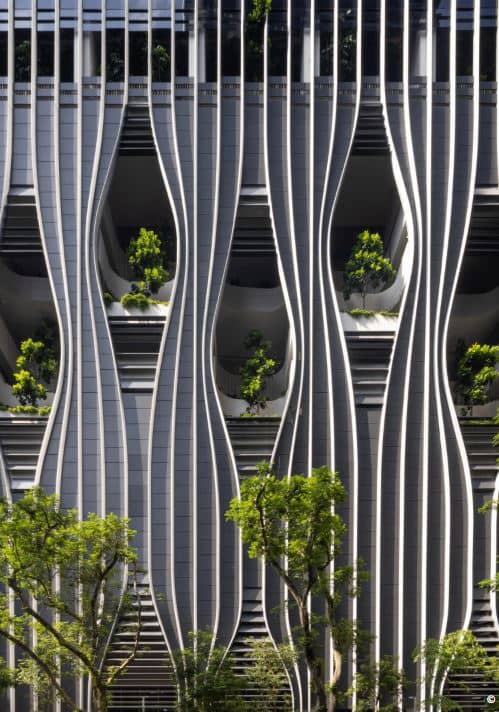
CAPITASPRING, Singapore.
PHOTOGRAPH COURTESY OF Finbarr Fallon

MURAl at Armenian Street.
PHOTOGRAPH BY PAULINE SONGCO FOR DAILY TRIBUNE
Singapore’s Brutalist buildings also represent an important chapter in its development. Structures from the 1970s, including the iconic Golden Mile Complex, reflect a period when the young nation explored new ideas in urban planning and community living.
Today, Singapore continues to redefine its architectural landscape. Landmarks symbolize its global ambitions, while newer developments explore sustainability, technology and innovative approaches to city design.
Singapore’s buildings are reminders of where the city came from, how far it has come, and where it continues to go.

JOO Chiat Peranakan Houses.
PHOTOGRAPH COURTESY OF tripadvisor
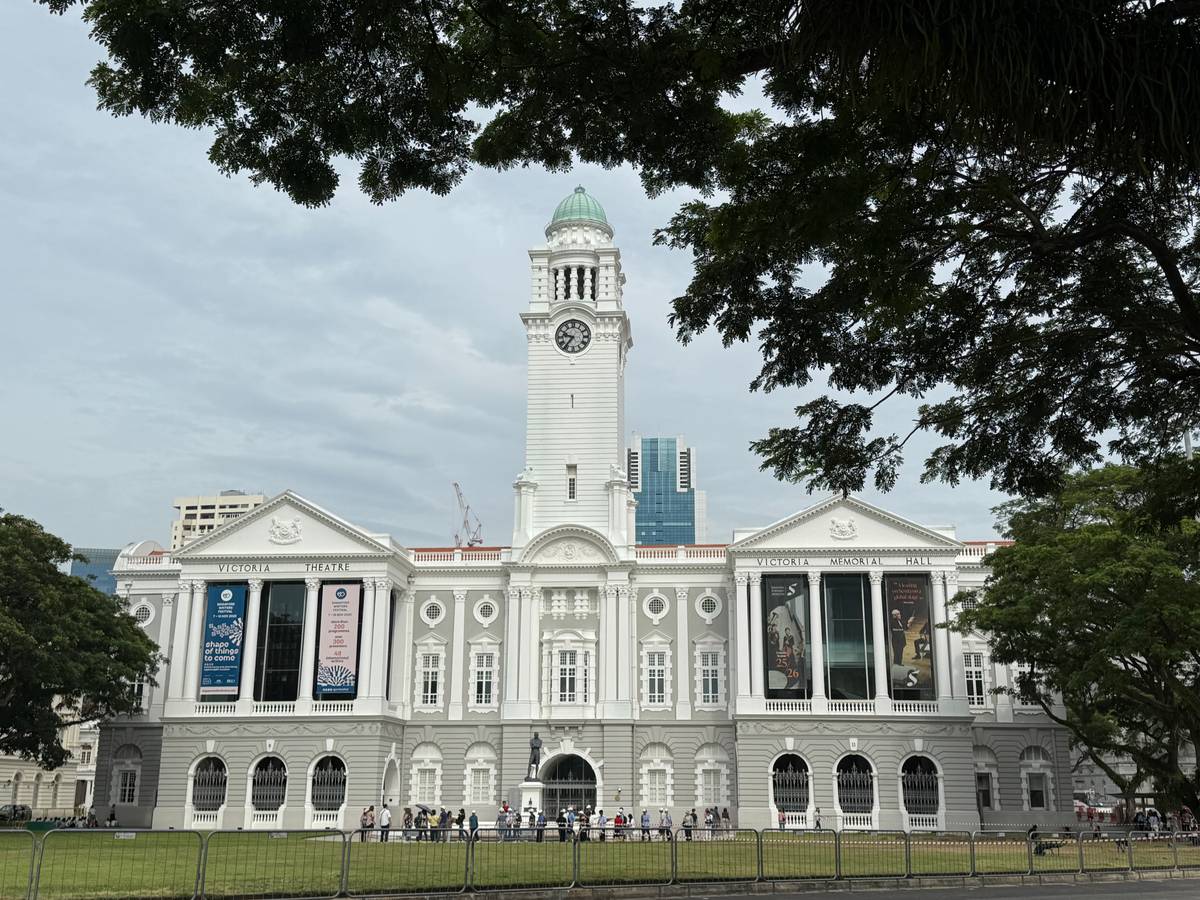
VICTORIA Theatre and Concert Hall.
PHOTOGRAPH COURTESY OF TTangMonuments/ CC BY-SA 4.0

REFLECTIONS at Keppel Bay.
PHOTOGRAPH COURTESY OF Stankn, CC BY-SA 3.0