
His father’s son
Bongbong should be reminded that institutions lose credibility when citizens suspect accountability follows political allegiance.

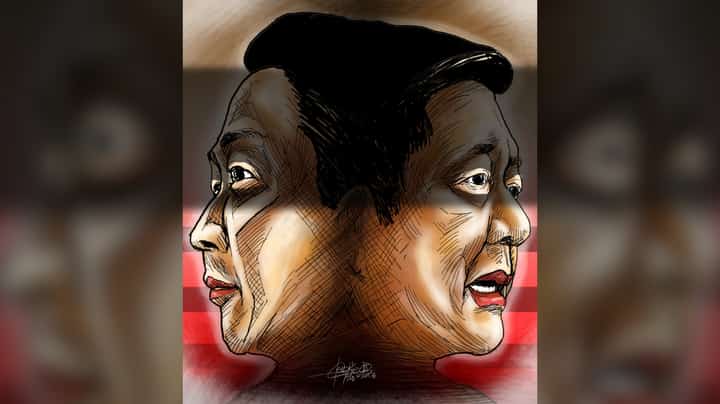
The most damaging indictment of Ferdinand Marcos Jr. on this martial law anniversary may not come from the protesters at the EDSA Shrine and near Malacañang recalling his late father’s well-documented abuses, but from someone who shares his surname and sits in the Senate.
Bongbong’s sister, Imee Marcos, has repeatedly called his presidency a second chance for the family. However she meant it, the phrase implies the first chance ended badly, which is striking from a family that spent decades insisting that history’s verdict was unfair.
In May, she said the chance had been wasted. Instead of delivering prosperity, the administration of Bongbong Marcos is being consumed by an “insane and wicked” campaign against the Dutertes.
Protesters see echoes of the past in the corruption, political dynasties, and continuing repression, and some of those concerns are not mere leftist rhetoric. The Commission on Human Rights continues to document red-tagging, harassment, and threats against activists, labor leaders, and journalists.
Still, the lazy comparison fails. We are not living under the old Macoy. The press (DAILY TRIBUNE is proof enough) and the opposition can criticize Malacañang, protesters can march, courts hear cases against officials, and social media gives Filipinos a freedom the Constitution’s framers never imagined.
Marcos Sr. did not merely have critics. He declared martial law in 1972, and state forces shut down newspapers, radio and television stations, arrested opponents, tortured detainees, and presided over documented killings and enforced disappearances.
In fairness, Marcos Jr. has not recreated that system, and pretending otherwise weakens legitimate criticism. Still, surviving institutions are not free passes. The question is whether they still function as institutions or are being turned into instruments in a bitter political war.
The impeachment trial of Vice President Sara Duterte is an obvious test, demanding honesty from both sides. Her supporters call it persecution.
Prosecutors, on the other hand, cite alleged misuse of public funds, unexplained wealth, bribery, and threats against the President. The 257-25 House vote impeaching Sara reflects the stranglehold the President has on the lower chamber.
Sara should be told that accountability is not persecution merely because the target is a political enemy. Just the same, Bongbong should be reminded that institutions lose credibility when citizens suspect accountability follows political allegiance.
Which brings us back to Imee. The protesters did not invent the second-chance framing; she did. Its clearest test is perhaps the flood control scandal, where investigations have reached the President’s cousin and former ally, ex-Speaker Martin Romualdez, who was charged with plunder over P7.4 billion in alleged kickbacks and has pleaded not guilty.
That is how accountability should work: courts, not presidents, protesters or mobs, decide guilt.
But charging a former ally is only the start. An administration serious about breaking with the old regime should welcome the same standard when the evidence points toward its own political household — at Marcos himself, if expelled Congressman Zaldy Co is to be believed.
Redemption is not achieved by demanding that people forget. It is achieved by giving them fewer reasons to remember. Marcos Jr. inherited more than a surname: a historical burden no other president has carried into Malacañang, except maybe for Noynoy Aquino becoming president like his mother, Cory.
Bongbong’s presidency is best seen not as the second coming of Marcos Sr., nor as grounds to demand absolution, but as an opportunity to show, through the unglamorous machinery of democratic government, that the family understood what the first chance cost the country.
Has Marcos Jr. become his father? No, at least not just yet.