
SC cites Bar review coach for contempt over false AI claims
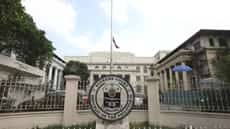
The Supreme Court has found a Bar review coach guilty of indirect contempt for spreading false information on Facebook about the 2023 Bar Examinations.
In a per curiam decision dated 15 July 2026, the SC en banc found Edgar S. Dizon, administrator of the Facebook group Bar Law for Dummies, liable for indirect contempt.
The Court fined Dizon P30,000 and ordered the removal of his name from the list of 2016 Bar passers.
On 21 September 2023, a post from the Facebook group and the account “Tsidkenu Dizon” went viral after claiming that the 2023 Bar Examinations would be “sorted, checked, and corrected by means of artificial intelligence.”
The post also stated: “Always start with yes or no. Yan ang unang hahanapin ng AI Checking to sort out the correct answers.”
The Court said the post caused anxiety among Bar examinees who were in the final stages of preparing for the examinations.
It also disrupted Bar operations, prompting the Office of the 2023 Bar Chair, headed by Associate Justice Ramon Paul Hernando, to investigate the source of the post and assess its impact on the examinations.
To counter the claims, the Bar Chair’s Office issued an advisory clarifying that the examinations would be checked by four human examiners for each subject, all of whom were experts in their respective fields.
Instead of removing the post, Dizon gave a media interview in which he threatened to sue the Court and demanded a public apology “within 24 hours.”
He also sent several emails to the SC’s Judiciary Public Assistance Section, claiming that the advisory had a chilling effect on him.
Dizon denied spreading misinformation and asked the Court to issue a statement correcting the advisory.
The Court later directed him to explain why he should not be cited for indirect contempt for interfering with the conduct of the 2023 Bar Examinations.
In his explanation, Dizon admitted owning the Facebook account and acknowledged that he had passed the 2016 Bar Examinations but had not taken the lawyer’s oath because of pending criminal cases.
He also said he authored review materials used in the Bar Law for Dummies training program and was surprised by the public reaction to the post.
Dizon denied claiming that AI would check the examinations, arguing that he had used the words “TO HELP” in his post.
The Court was not convinced.
Under Rule 71, Section 3 of the Rules of Court, unlawful interference with court processes outside a courtroom, conduct that degrades the courts or undermines public confidence in the administration of justice, and unauthorized practice of law may be punished as indirect contempt.
The SC held that Dizon’s post unlawfully interfered with the conduct of the 2023 Bar Examinations and undermined the integrity of both the examinations and the Court, which exercises supervision over the legal profession.
The Court said the post clearly conveyed that AI would sort and check examination answers.
It added that, as a Bar passer, Dizon should have known that the examinations are evaluated by a committee of examiners appointed by the Court.
The SC stressed that the examiners were “all warm bodies” and were neither powered nor guided by AI.
The Court found that the misinformation caused confusion and alarm and forced Bar officials to divert limited time and resources to tracing the source of the post, coordinating with government agencies, issuing clarifications and responding to inquiries.
It added that the post also distracted examinees from their preparations, noting that Dizon should have known Bar examinees were under significant pressure and would likely be affected by false information about the examinations.