
JV Ejercito: PhilHealth benefits must reach patients

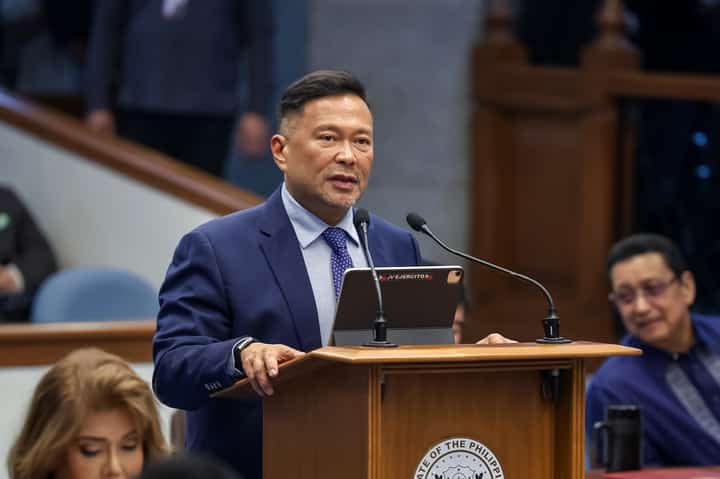
Senate Senior Deputy Majority Leader JV Ejercito warned that increases in PhilHealth benefits could be offset by rising hospital charges and professional fees, leaving Filipino patients with hefty medical bills despite having health coverage.
“Hindi puwedeng tinaasan natin ang PhilHealth benefits pero kinakain naman ito ng medical inflation, higher hospital charges, at professional fees. Otherwise, limitado rin ang magiging benefit nito sa pasyente,” Ejercito said during the Senate Finance Committee’s budget hearing on Friday, 4 September.
“Ultimately, ang sukatan naman natin ng health budget ay hindi lang kung gaano kalaki ang inilaan natin. Ang tanong: mas kaunti ba ang binabayaran ng pasyente, mas accessible ba ang healthcare, at mas maraming Pilipino ba ang napoprotektahan?” he added.
The Senate Finance Committee, chaired by Ejercito, approved at the committee level the proposed P353.58-billion 2027 budget of the Department of Health (DOH) and its attached agencies and corporations.
The DOH initially requested P376.71 billion from the Department of Budget and Management. For PhilHealth, the 2027 National Expenditure Program provides P74.45 billion in government subsidy.
During the hearing, PhilHealth President and CEO Beverly Ho said the agency is pursuing measures to address the issue, including negotiating directly with hospitals, working with medical societies on professional fees, and providing incentives to hospitals that increase their zero-balance-billing beds.
Ho also said PhilHealth is studying the use of Diagnosis-Related Groupings (DRGs) and patient data to better adjust case rates for patients with more complex conditions, including those with comorbidities and older patients.
OUT-OF-POCKET SPENDING
As principal sponsor and author of the Universal Health Care Act, Ejercito also underscored the country’s high out-of-pocket healthcare spending, noting that the government is targeting a reduction in the household out-of-pocket share from the current 41.2% to 28%.
He questioned whether the proposed PhilHealth funding would be enough to sustain the expansion of benefits and move the country closer to the Universal Health Care (UHC) goal.
“Ang goal naman talaga ng Universal Health Care is to reduce the out-of-pocket spending of our people. We welcome the expansion of PhilHealth benefits, but we have to make sure that these benefits are actually felt by patients,” Ejercito said.
Ho said the agency would need around P244 billion next year to cover projected payouts for indirect contributors based on current benefits and utilization, leaving a significant gap against the P74.45-billion allocation in the National Expenditure Program.
Ejercito also said faster payments should continue to be pursued to help reduce financial pressures being passed on to patients.
“Kung mas mabilis ang payment ng PhilHealth, mas mababawasan din ang dahilan para tumaas ang charges dahil sa cost of money. Kailangan maayos natin ito para mas mapunta talaga sa pasyente ang benefit ng PhilHealth,” he said.
MAKING MAIFIP MORE STRATEGIC
Ejercito said PhilHealth and the Medical Assistance for Indigent and Financially Incapacitated Patients Program (MAIFIP) should complement each other so patients receive the assistance they need without unnecessarily duplicating government support.
“Dapat complementary ang PhilHealth at MAIFIP. Ang objective natin ay kung ano ang hindi kayang sagutin ng PhilHealth, doon papasok ang MAIFIP. At kung kaya namang i-cover ng PhilHealth, dapat doon na natin ilagay para mas efficient ang paggamit ng pondo,” he said.
Health Secretary Edwin Mercado said the DOH is looking at negotiated payment arrangements with private hospitals for more expensive cases, while also expanding MAIFIP support to local government unit hospitals.
Ejercito said the committee will continue to scrutinize the health budget as it moves to plenary deliberations, particularly whether the proposed allocations are sufficient to advance UHC and reduce the financial burden on Filipino families.