
Mariann Marczi finds four worlds in the piano
The Hungarian concert pianist and Franz Liszt Academy professor speaks to DAILY TRIBUNE about her four August releases, from perfume-inspired works to a tribute to György Kurtág.


For Hungarian concert pianist Mariann Marczi, the piano can carry vastly different musical worlds. This August, four projects released through Hunnia Records bring together works associated with composers including Jean Sibelius, Sergei Rachmaninoff, Joseph Kosma, Franz Schubert, Edvard Grieg, Franz Joseph Haydn and György Kurtág.
In an email interview with DAILY TRIBUNE, Marczi explains that Enchanting Scents was the project that started it all.
“Enchanting Scents was my main project this year, and I spent the entire year preparing for it,” she says. “I was deeply inspired by the concept of perfume and scent-related piano pieces.”
The album includes her own piano transcription of Kosma’s “Rose... Rose... Rose...” from Les Chansons de Bilitis, alongside works by Sibelius, Rachmaninoff, Spohr, Schubert, Delibes, Tchaikovsky and Johann Strauss II.
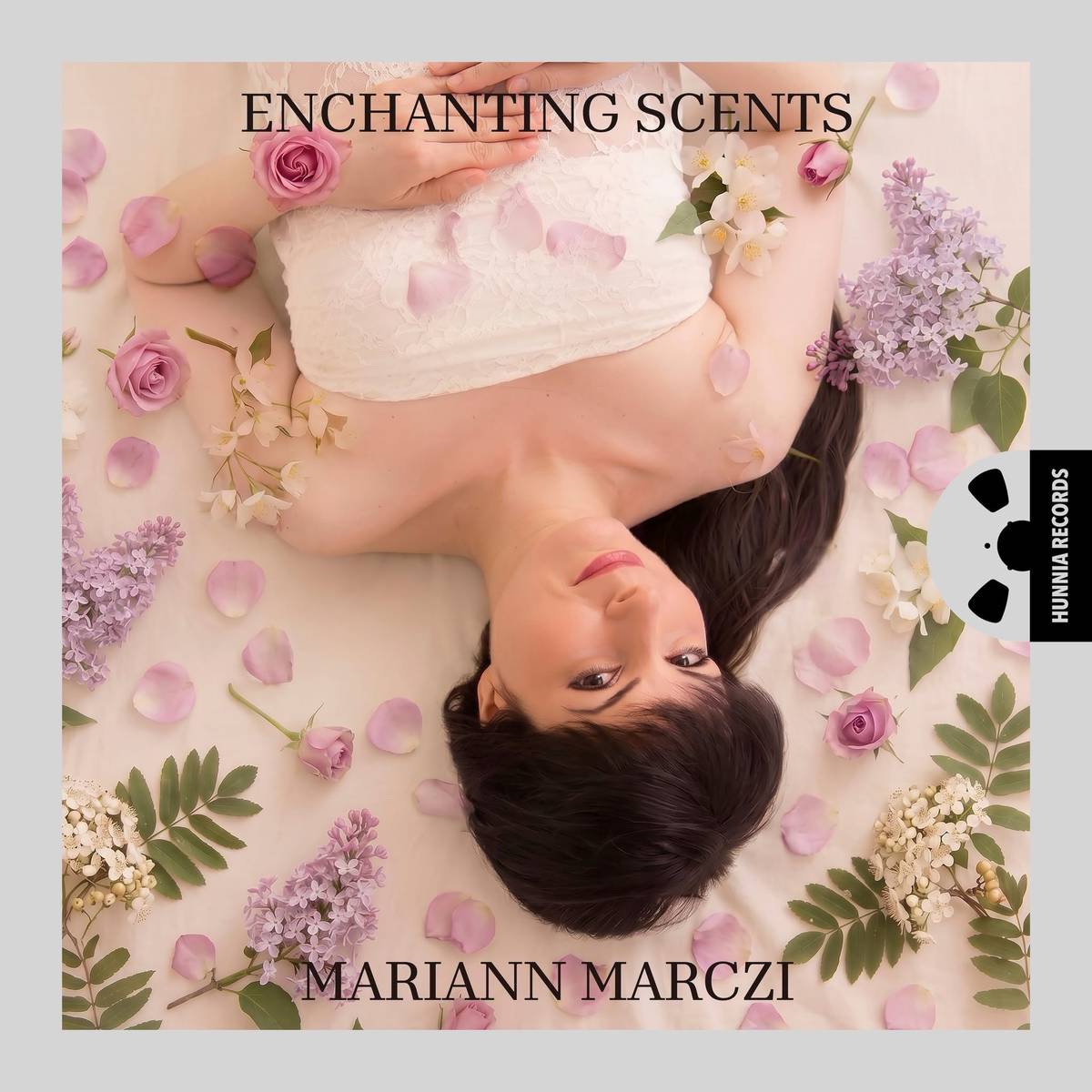
The Hungarian pianist turns the world of perfume into music, with a personal Joseph Kosma transcription at its heart.
The larger four-release project took shape in the recording studio. Róbert Zoltán Hunka, director of Hunnia Records, was present during the sessions and became interested in Marczi’s work.
“As he listened to the recording process, he became very enthusiastic and decided he wanted to release multiple albums with me,” she says. He suggested that Marczi also release previously recorded, unreleased material “to bring them to the music market and streaming platforms.”
“Therefore, the main connecting thread between these four albums is the performer and the label, while the programs themselves remain beautifully diverse,” Marczi says.
That diversity can be heard across the releases. The Face of the North brings together Grieg’s Lyric Pieces, while Miniature & Monument: Luminous Sonatas pairs Haydn and Schubert. Condensed Gestures (New Version) features Kurtág, whose centenary Marczi and Hunnia Records are marking with a tribute to his work.
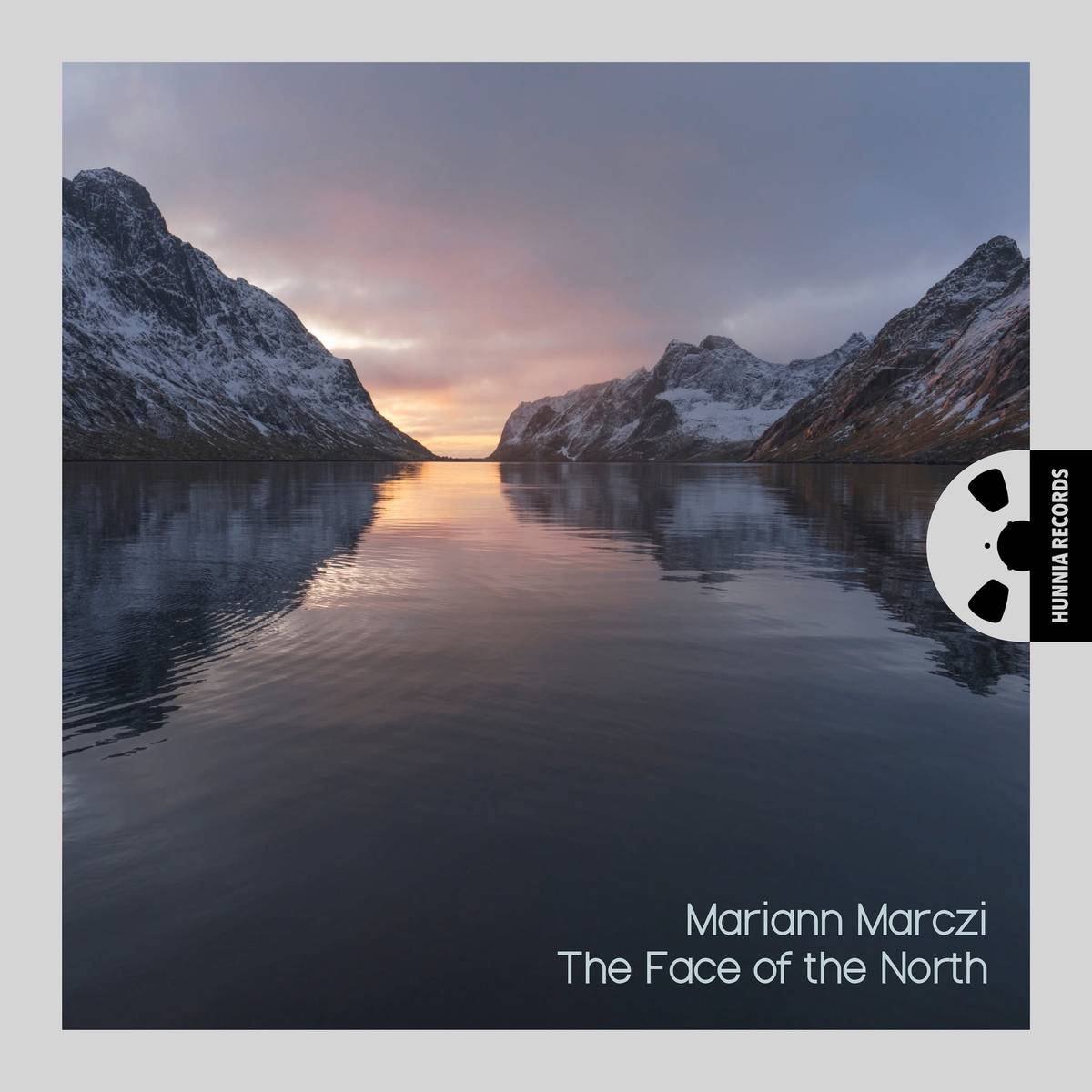
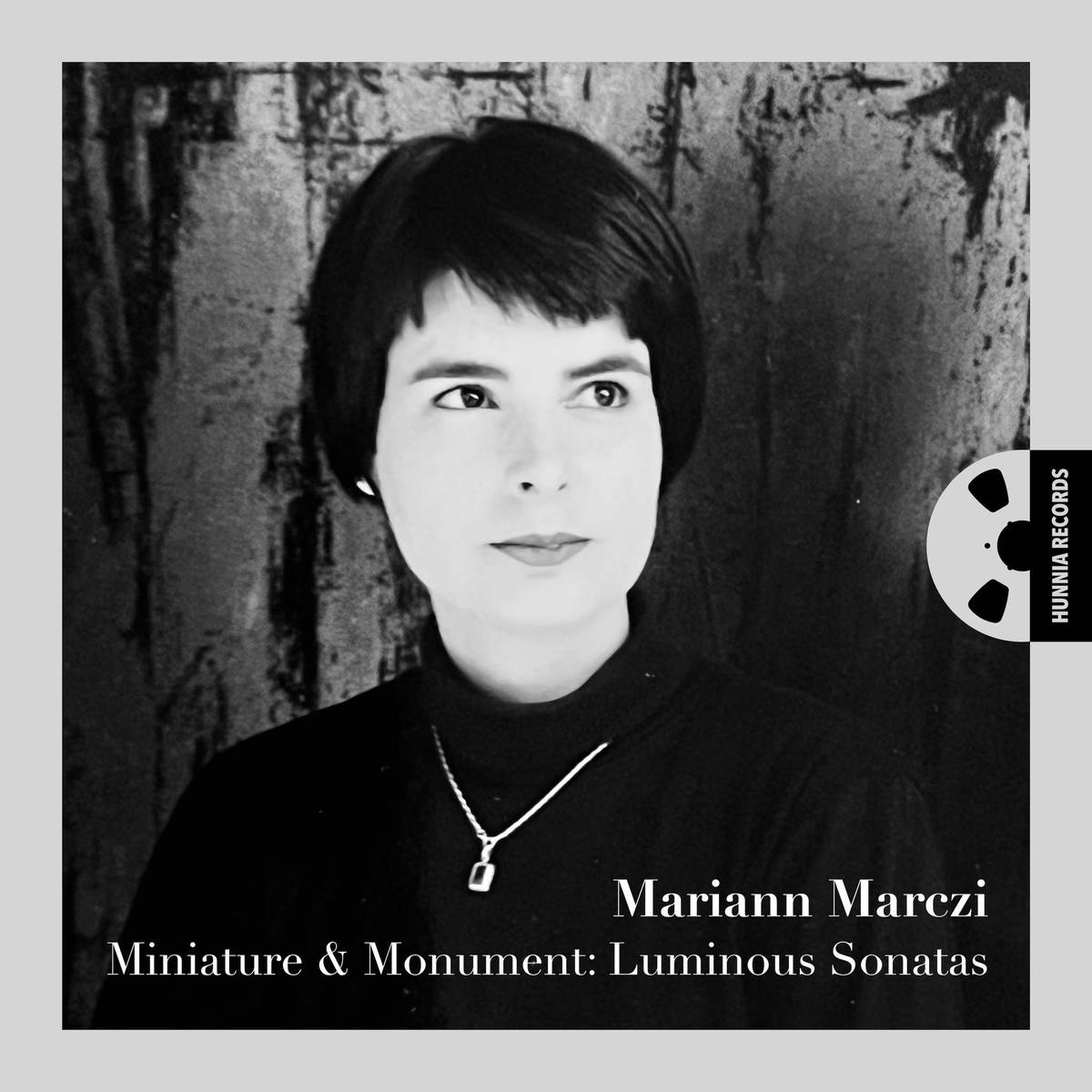
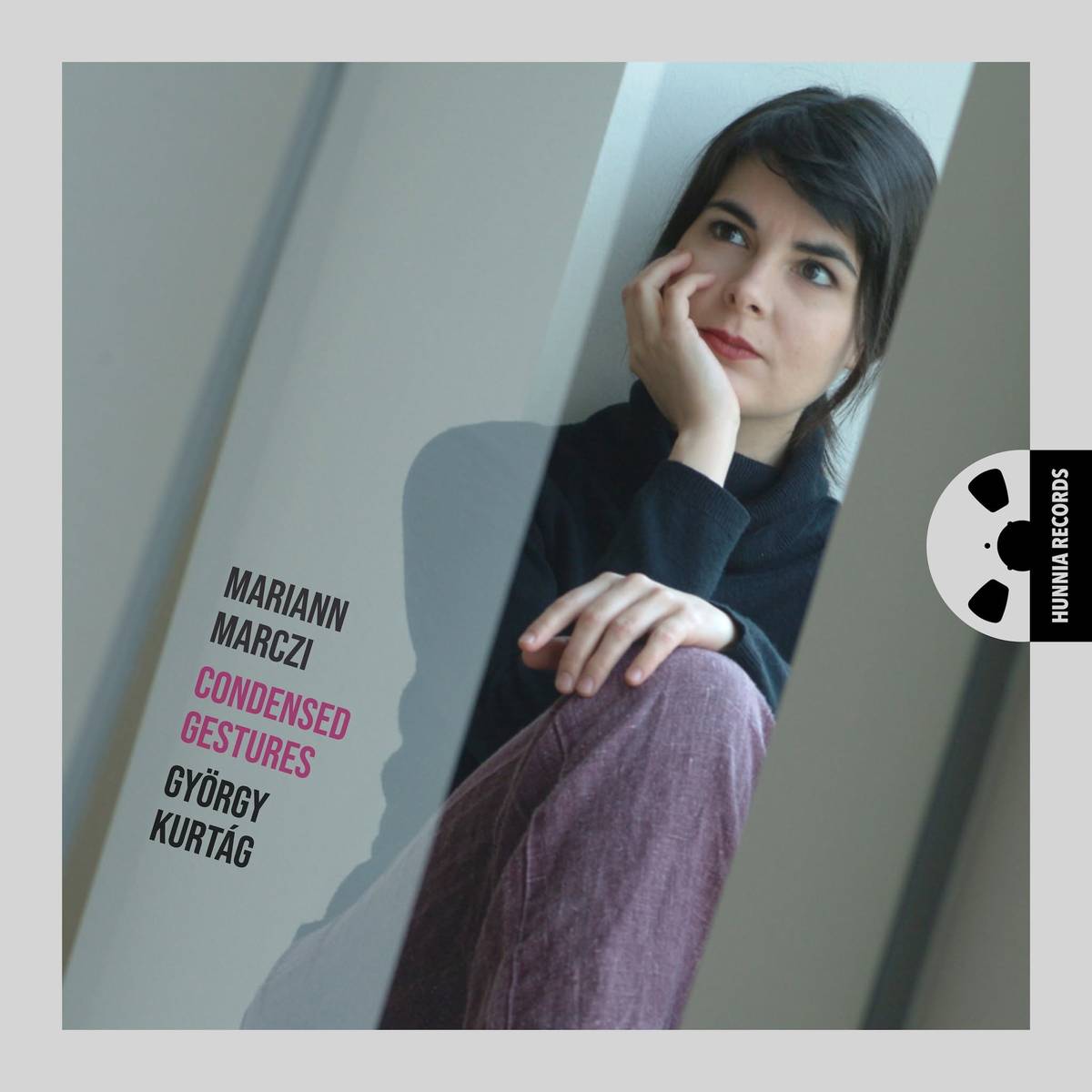
For Marczi, the variety is also an invitation: “The albums showcase a very rich and diverse musical palette,” she says, hoping the shorter works will catch the attention of younger listeners who are accustomed to shorter formats through digital media. If those pieces draw them in, she hopes they might continue toward longer works.
“I hope that if they connect with my music, it will serve as a gateway for them to immerse themselves in longer, profound works, such as the Schubert movements,” she says.
Her larger ambition is intensely focused on the listener’s experience. “With these recordings, I wanted to deliver raw emotions almost ‘intravenously’ to the listeners through the auditory experience,” Marczi says. She hopes “the overall sound and atmosphere will truly draw them into a deeply focused, immersive listening experience.”
That approach is closely tied to her work as a professor at the Franz Liszt Academy of Music in Budapest. Marczi says teaching, performing and recording all come from “a shared musical philosophy and vision.”
“When I teach, I focus on the exact same musical nuances and ideas with my university students that I wish to communicate to my audience as a performer,” she says. Teaching also forces her to articulate ideas that might otherwise remain abstract. “This process helps me become even more conscious of my own artistic direction, which is constantly evolving and becoming more refined over time.”
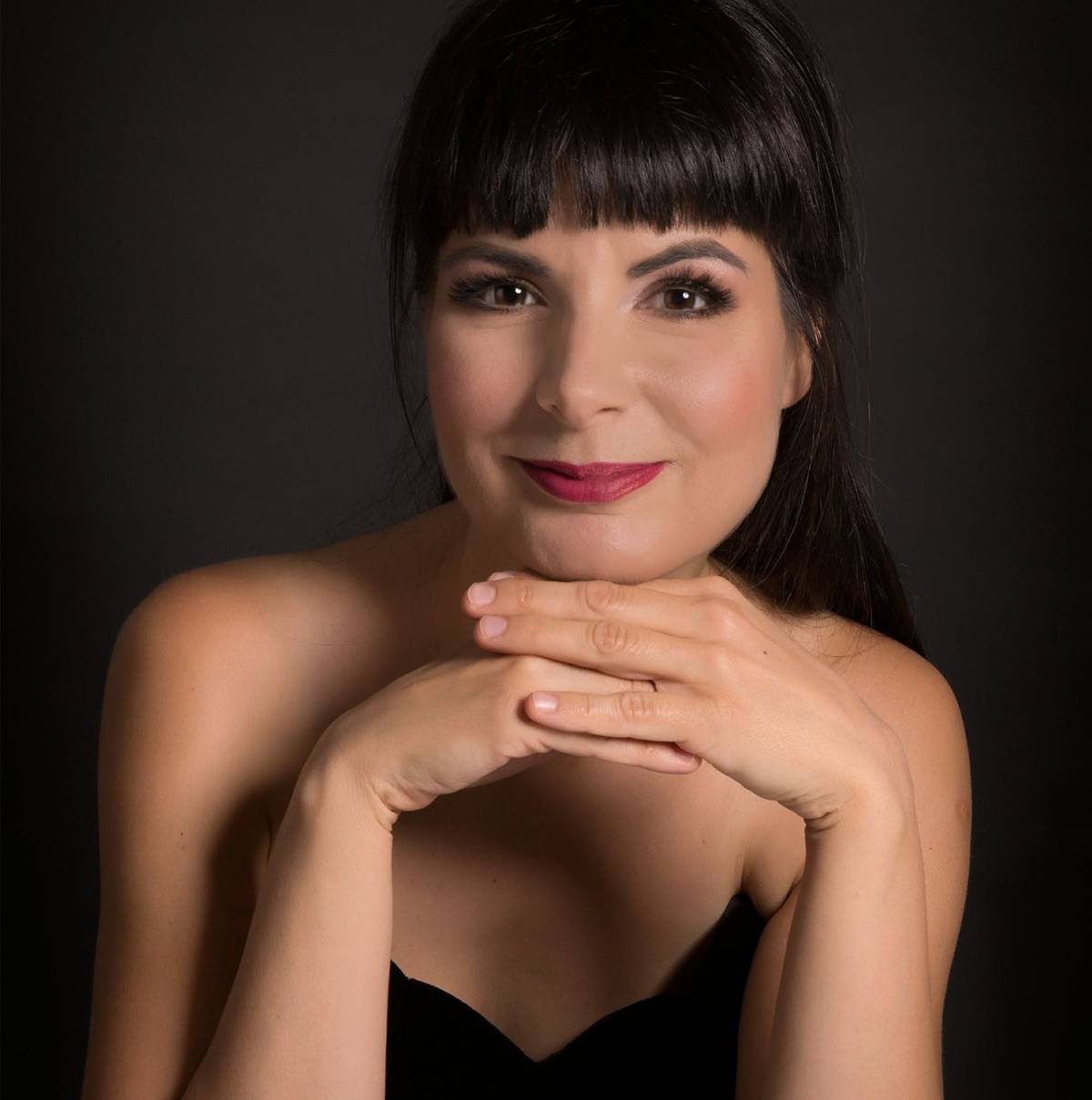
Mariann Marczi, the Hungarian concert pianist and Franz Liszt Academy professor behind four new piano releases this August.
For listeners in the Philippines, Marczi’s new recordings can be found on Spotify, where her artist page lists the 2026 releases, and Apple Music Classical, which is available through the Philippine App Store. Enchanting Scents is also listed on Amazon Music.
Across four releases, Marczi moves from trees, flowers and perfume to the concentrated language of Kurtág and the expansive worlds of Grieg, Haydn and Schubert. What connects them, ultimately, is the pianist herself — and her belief that careful attention to sound can lead listeners somewhere deeper.