
Benguet sustains forest protection to reduce disaster risks

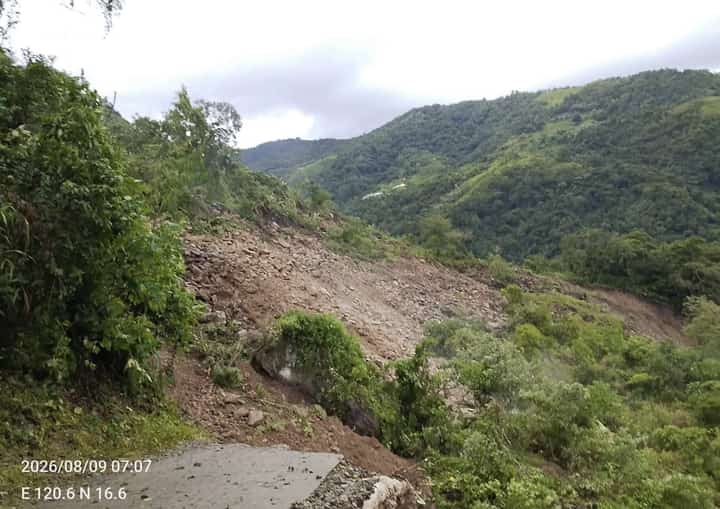
LA TRINIDAD, Benguet — The Provincial Environment and Natural Resources Office (PENRO) in Benguet is sustaining forest restoration and conservation efforts as part of measures to mitigate the impact of natural disasters, particularly landslides.
PENRO professional forester and Ecosystem Specialist II Khim Jhones D. Motes said environmental protection and natural resource restoration initiatives are continuing despite the declaration of a state of calamity in the province.
Motes said many of the interventions had already been implemented before the calamity declaration, stressing that environmental programs take time before their full effects become visible.
Because of this, PENRO said environmental protection should be a continuous effort rather than a temporary response during disasters.
The office is also conducting information campaigns and community capacity-building activities to encourage residents to participate in environmental protection. The programs seek to provide communities with information and practical approaches to addressing environmental concerns.
In partnership with local government units, PENRO also assists in managing communal forests.
The agency works with law enforcement authorities to enforce forestry laws and investigate illegal activities that threaten the province’s natural resources.
Motes stressed that protecting the environment and reducing disaster risks require collective action from government agencies, local officials, communities and individual residents.