
Taiwan eyes Phl role in Pax Silica chip, AI push

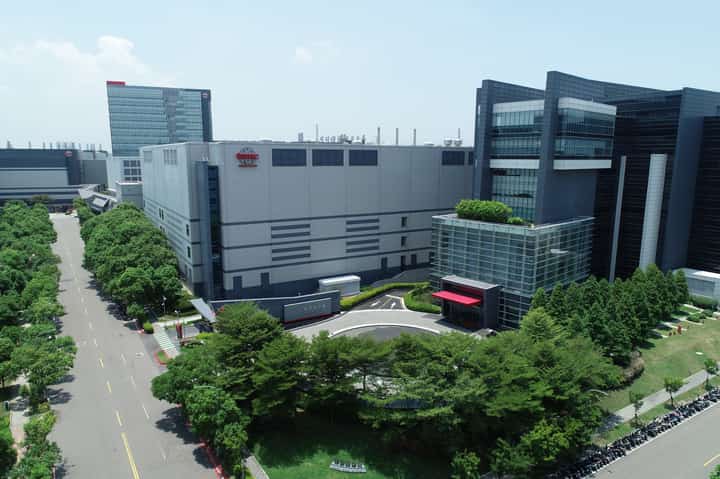
Taiwan manufactures nearly all cutting-edge chips used in smartphones, high-performance computing, data centers, and advanced artificial intelligence hardware. Its semiconductor industry is the beating heart of the global digital economy, producing over 60 percent of the world’s chips and roughly 90 percent of its most advanced microprocessors. Driven heavily by Hsinchu Science Park, Taiwan-headquartered Taiwan Semiconductor Manufacturing Company Limited the sector anchors modern technology, fueling global AI development.
Photograph courtesy of TSMC
TAIPEI, Taiwan — Taiwan sees the Philippines’ planned Pax Silica hub in New Clark City as a potential platform for cooperation in semiconductors, artificial intelligence and other strategic technologies, Taiwan Foreign Minister Lin Chia-lung said.
Lin told visiting journalists in Taipei that Taiwan could work with the Philippines through the US-led initiative, identifying New Clark City as a potential site for industrial cooperation.
“When the United States proposes the economic security zone in New Clark City, I think Taiwan and the Philippines can seek to build an industrial cooperation,” Lin said.
He identified semiconductors and AI as potential areas of cooperation, along with drones, shipbuilding and undersea cables.
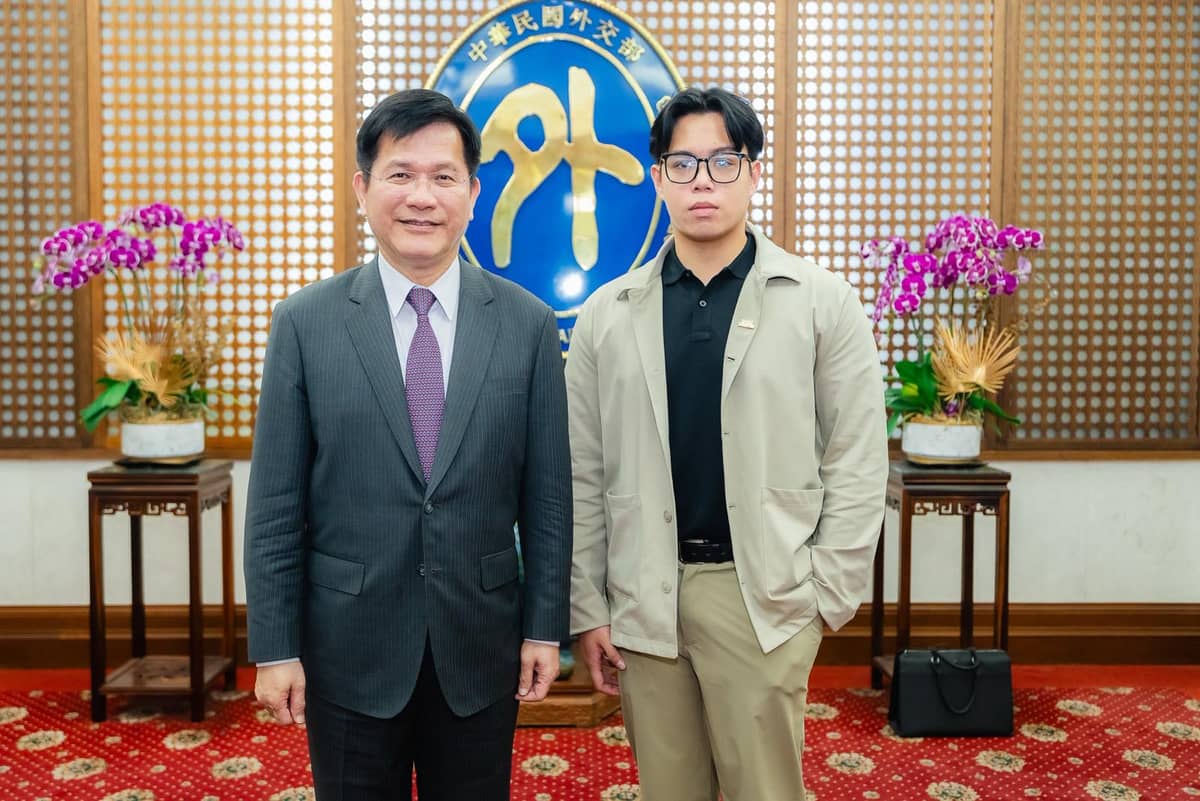
Taiwan Foreign Minister Lin Chia-lung (left) with DAILY TRIBUNE associate online editor Jason Mago during the latter’s courtesy call and interview with Minister Lin Chia-lung at the Ministry of Foreign Affairs in Taipei on 19 August.
Photograph courtesy of MOFA
Taiwan’s interest
Taiwan’s interest comes as the Philippines develops a roughly 4,000-acre, or 1,620-hectare, industrial hub in New Clark City under Pax Silica, aimed at attracting semiconductor, advanced-manufacturing and other strategic industries. The Philippines formally joined the US-led initiative in April.
Taiwan is a major force in the global semiconductor industry, giving its potential participation significance for Manila’s effort to move beyond traditional electronics assembly and capture more value from the global technology supply chain.
No specific Taiwanese investment or agreement involving the New Clark City project was announced. Lin’s remarks instead point to a potential avenue for Taiwan to contribute technology, manufacturing expertise and supply-chain connections to the Philippine hub.
Significant potential role
Taiwan’s potential role is significant because of its position in the global chip industry.
The island is home to companies spanning semiconductor design, manufacturing, packaging and other parts of the technology ecosystem. Its expertise could complement the Philippines’ existing electronics and semiconductor industry as Manila seeks to attract higher-value manufacturing.
Lin said Taiwan could contribute capabilities in semiconductors, AI, information and communications technology and advanced manufacturing while working with Southeast Asian economies on industrial development.
“We must think strategically about how investment, technology, talent exchanges and industrial ties can help us become more trusted and indispensable to one another,” Lin said.
The proposal comes as governments increasingly treat semiconductor and AI supply chains as strategic assets amid competition over advanced technologies.
New Clark City ambitions
The proposed Pax Silica site covers about 4,000 acres, or roughly 1,620 hectares, in New Clark City, Tarlac.
The Bases Conversion and Development Authority (BCDA) has positioned the project as an industrial and technology ecosystem centered on semiconductors, advanced manufacturing and AI-related industries.
BCDA recently clarified that the development is expected to focus predominantly on semiconductor and industrial activities rather than a massive hyperscale data center.
The first phase is expected to cover about 500 hectares, with site development potentially beginning within three to five years, according to BCDA.
The project, however, has drawn scrutiny over its potential demands on electricity, water and land.
Recent estimates put potential electricity requirements at about 3 gigawatts and water demand at roughly 130 million liters a day, prompting questions about the project’s impact on Central Luzon’s resources.
BCDA and other government officials have defended the project, saying infrastructure and resource requirements are being studied and that the development will comply with Philippine environmental and community safeguards.
What Taiwan could bring
For Manila, Taiwan’s interest could provide an opportunity to attract technology, capital and expertise from one of the world’s most important semiconductor centers.
The Philippines already has an established electronics and semiconductor sector, but much of the industry remains concentrated in assembly, testing and packaging.
Deeper links with Taiwan could potentially help expand capabilities into higher-value activities.
For Taiwan, meanwhile, cooperation with the Philippines could provide another production and supply-chain link in Southeast Asia as companies diversify operations and governments seek more resilient sources for critical technologies.
The proposed cooperation remains at the exploratory stage, with no specific Taiwanese investment in New Clark City announced.
But Lin’s proposal puts Taiwan among the potential technology partners Manila could tap as it develops Pax Silica into a Philippine hub for semiconductors, AI and advanced manufacturing.