
Patriotism beyond politics
There is a difference between loving one’s country and being satisfied with its leadership. One is enduring; the other must be earned.

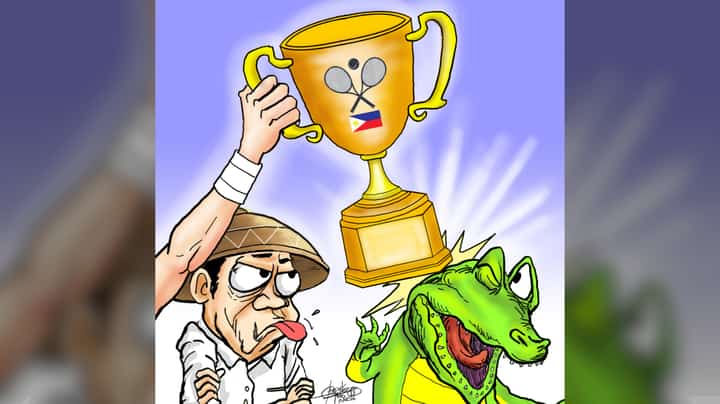
In recent weeks, Filipinos have been confronted with stories that test their faith in public institutions. Allegations of betrayal, political infighting, and questions about loyalty to the nation have left many wondering whether there is still much to be proud of.
And yet, somewhere on a tennis court thousands of kilometers away, a young Filipina wears the country’s colors with bold confidence. She asks for nothing except the chance to compete, and in doing so reminds us that love of country is often expressed not in words but in conduct.
One of the strongest lines I’ve ever heard about patriotism comes from the idea that “national pride cannot be manufactured.” Governments can organize celebrations, unveil monuments, or deliver stirring speeches, but genuine pride arises when citizens witness integrity, excellence, sacrifice and service.
That’s where Alex Eala fits — not because she’s a sports hero alone, but because she embodies qualities that people instinctively admire: discipline, humility, perseverance, and grace under pressure. Those qualities inspire pride because they reflect well on the nation without demanding recognition.
If athletes, scientists, teachers, nurses, artists, entrepreneurs and overseas workers continue to carry the Filipino name with honor, our quandary now is believing that our institutions do the same.
Patriotism is not blind admiration for a country that can do no wrong. It is that determination to keep believing that it can do better. We should never become so cynical that we stop recognizing those who give us reason to believe again.
Even the greatest nations are beset by issues that lead their people to question integrity. Yet they are not defined solely by the leaders who disappoint them. More than anything, a nation is also defined by the citizens who refuse to let disappointment become their identity.
Alex Eala and her evident pride in her country are the one bright spot we cling to, as well as other achievers like Obiena, who has been reaping golds for the Philippines lately. Even the simple ube shows us that international recognition of what we have taken for granted can be worthy of praise, and that includes that intangible Filipino cheer that can never quite be quelled even through times of depression or disaster.
Yes, Eala is a bright spot, but she isn’t the only one. Every week there are Filipinos — often unnoticed — who bring honor to the country through excellence and integrity. She simply happens to be the one we can all see.
National pride keeps the crowds cheering for our own in spite of the current news filled with betrayals of public trust or possibly treasonous actions the people have not yet fully comprehended.
Every generation either adds to or diminishes the national pride. When an athlete competes with dignity, a teacher shapes young minds with integrity, a soldier stands watch, a scientist makes a breakthrough, or a public servant puts the country before self, they make a deposit into the nation’s reservoir of pride.
Conversely, when leaders abuse public trust or place personal interests above the country’s welfare, they make a withdrawal. Over time, enough withdrawals leave people cynical. That’s where many Filipinos seem to be today — not because they don’t love the Philippines, but because they long for reasons to celebrate it without reservation.
There is a difference between loving one’s country and being satisfied with its leadership. One is enduring; the other must be earned. If we did not love our nation, we would not be fighting for better governance.
Alex Eala, along with those who are like her or came before her, is more than a sports story. She represents the possibility that one person’s excellence can momentarily lift a nation’s spirits. She reminds us of what Filipinos are capable of.
Perhaps the greatest gift our heroes — whether in daily life, in public service, or on the tennis court — give us is not victory itself, but a reason to believe in the country again.