




BET ON SECOND CHANCES
A fishpond inside a Marawi jail begins rehabilitation long before the prison gates open.

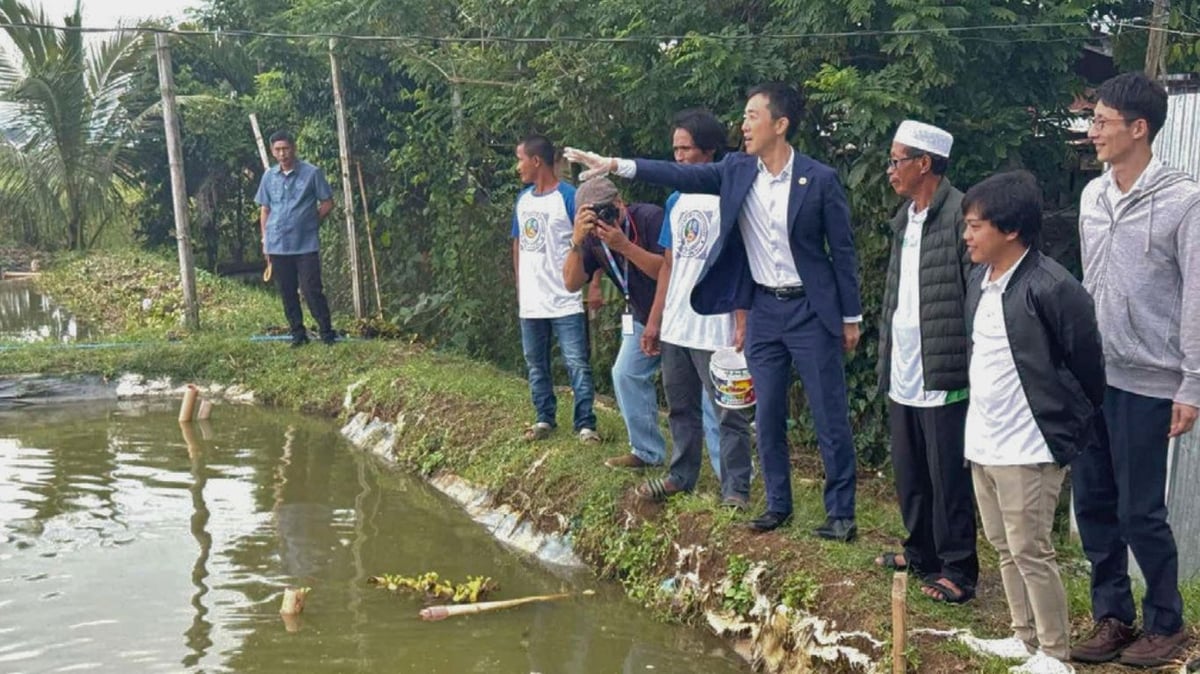
JAPAN’s Naobumi Yokota visits Lanao Sur, where Tokyo is backing fisheries projects aimed at strengthening livelihoods across BARMM.
A fishpond inside a Marawi jail begins rehabilitation long before the prison gates open.
JAPAN’s Naobumi Yokota visits Lanao Sur, where Tokyo is backing fisheries projects aimed at strengthening livelihoods across BARMM.
A fishpond in Lanao Sur was dug inside a jail.
The idea: Teach inmates how to raise fish before they walk out the gate, and they leave with something more useful than the habits that brought them there.
Japan's Minister for Economic Affairs, Yokota Naobumi, traveled to Marawi on 7 July to break the ground of an aquaculture pond at Marawi Jail, where persons deprived of liberty will be trained in fish farming as part of a livelihood program meant to ease their return to society, borne out of the stubborn belief work can interrupt a cycle punishment alone often cannot.
Yokota called it inclusive development. His trip did not end at the jail.
The Japanese diplomat later met Lanao Sur Governor Mamintal Adiong and Poona Bayabao Mayor Janimah Derogongan-Pandi to talk about agriculture and fisheries, industries that keep much of the province moving even as they struggle with low productivity and weak infra.
In Poona, Yokota visited a fishing association receiving Japanese support through a project with the UN Food and Agriculture Organization.
Members are being trained to raise fish, make fish feed, run a feed mill and manage it as a business.
The project will also establish a pilot-scale halal-certified aquaculture feed mill, complete with equipment and production facilities.
The work stretches across five BARMM provinces until 2027, targeting post-harvest losses, falling fish production, the thin margins that have long defined life for small fishing communities.
Housing is probably the biggest issue affecting people the world over.
Malacañang on Monday called for a more thorough investigation into the questioned flood control projects in Taguig…
The defense on Monday backed the move by senator-judges to exclude a prosecution witness who testified on the firearms…
