
Robin:Open all our finances

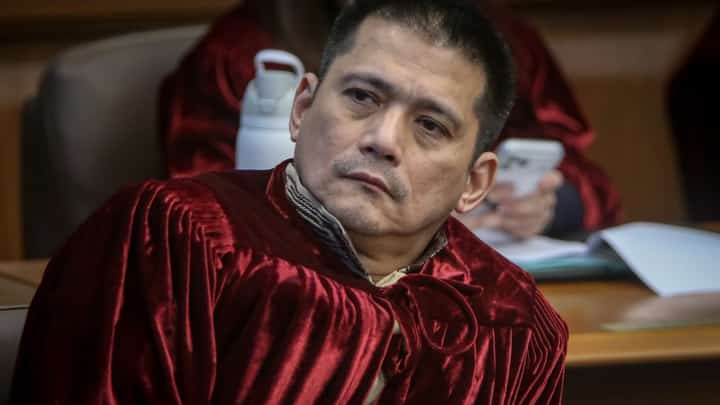
Senator-judge Robin Padilla on Monday questioned what he called the unequal treatment in the handling of the impeachment complaints against President Ferdinand Marcos Jr. and Vice President Sara Duterte. Padilla, a staunch Duterte ally, raised the issue during the Senate impeachment proceedings after fellow Senator-judge Alan Peter Cayetano questioned the prosecutors on whether the same approach was taken during the previous impeachment effort against Marcos.
“My only question is: is it fair that we do not treat this equally?” Padilla said in Filipino.
The senator said an impeachment was ultimately about public trust, but stressed that the constitutional principle must be balanced with protections guaranteed to every person, including equal protection under the law and due process.
“This is truly needed because this is where we can prove what we mean by public trust. But equally important is equal protection of the laws,” Padilla said.
He cited the late Supreme Court justice and former Senator Miriam Defensor Santiago, saying constitutional disputes require technical legal analysis and cannot bypass procedural safeguards.
“Constitutional analysis is a technical field. There must be due process,” Padilla said.
The House of Representatives dismissed two impeachment complaints against Marcos in February this year after lawmakers found them insufficient in substance. The House voted 284-8, with four abstentions, to uphold the dismissal of the complaints that accused Marcos of, among other allegations, betrayal of public trust and constitutional violations.
The impeachment complaints against Duterte, on the other hand, moved forward after the House found the complaints sufficient in substance, allowing the articles of impeachment to be transmitted to the Senate for trial in May.
Padilla did not say the two cases should have identical outcomes. Instead, he questioned whether the same principles of transparency and scrutiny were being applied.
“If you agree with my Freedom of Information Bill (FoI), the House of Representatives has not yet submitted it,” Padilla said, referring to the stalled effort to enact a national FoI law.
“But if this is the standard we are applying, let us open all our bank records. All of us. Let us all open everything so we can show the Filipino people that we are not favoring anyone,” he added.
The senator claimed the impeachment proceedings highlighted why Congress should finally pass an FoI measure, which supporters have long argued would strengthen accountability by giving citizens greater access to government documents, transactions and decisions.
The push for an FoI law gained momentum after the 1987 Constitution recognized the people’s right to information on matters of public concern and directed the state to adopt policies of full public disclosure.
Several bills have since been filed in Congress, but disagreements over exemptions, privacy protections, and national security concerns have prevented a comprehensive measure from becoming law.
Despite repeated commitments from successive administrations, including President Marcos’ call for greater transparency and accountability, Congress has yet to enact a nationwide FoI statute.
Existing access mechanisms remain limited to executive branch offices covered by administrative rules.
Padilla, who has filed FoI proposals in the Senate, said the impeachment proceedings should be used as an opportunity to revive the measure.
“This is the time to take advantage of this opportunity to pass the FoI. Because if it looks like we are looking at someone while not looking at others; this is not good for the Filipino people,” Padilla said.