
The show goes on
As the industry explores fresh formats, genres and platforms, it remains anchored in the rich cultural identity that makes Filipino storytelling distinct.

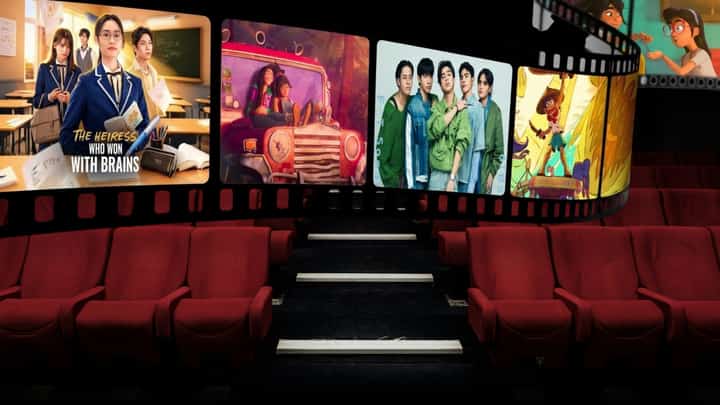
DESPITE challenges such as declining theater attendance, Philippine cinema continues to produce stories that aim to resonate with Filipinos.
Photograph courtesy of Unsplash/ManasRB
The journey of the Philippine entertainment industry has never been easy. Through economic pressure, natural disasters and rapid technological changes, the sector has repeatedly faced challenges that tested its resilience. Yet time and again, it has proven its ability to adapt and evolve.
Among the industry’s biggest hurdles has been the shift in audience preferences. Traditional media platforms such as television, radio and print have had to contend with the rise of digital content and global streaming services. Rather than being left behind, however, Filipino artists, producers and media companies embraced innovation, finding new ways to connect with audiences and stay relevant in an increasingly competitive landscape.
Social media has likewise reshaped the entertainment scene. Platforms such as YouTube, TikTok, Facebook and Instagram have given independent creators opportunities to build loyal followings without relying solely on traditional networks. Short-form videos, web series and digital-first content have gained popularity, particularly among younger viewers, too. This democratization of content creation has also encouraged greater diversity in the stories and voices reaching Filipino audiences. Remember Linda Walker?
TECHNOLOGY and innovation have transformed how Filipino audiences consume entertainment.
Photograph courtesy of Unsplash/ManasRB
The industry’s growth has been further driven by the rising global appreciation for Filipino talent and storytelling. Local artists, such as SB19 and BINI, continue to make their mark on international stages. Filipino films and television programs are finding wider audiences through streaming platforms. Stories deeply rooted in Filipino culture like Forgotten Island and Sun Chaser, are now reaching viewers across borders.
The pandemic accelerated another significant shift: the rise of digital events. Concerts, album launches, celebrity interviews, fan engagements and even press conferences have become more accessible through online platforms, allowing artists to connect with audiences regardless of location.
THE rise of streaming services and social media has opened new opportunities for Filipino talent to reach audiences both home and abroad.
Photograph courtesy of Unsplash/Shutter Speed
Today’s artists are also no longer confined to a single medium. Many have successfully built careers across television, film, music, social media, streaming and live events, expanding both their reach and influence.
Despite its progress, the Philippine entertainment industry continues to grapple with challenges. Misinformation, intense competition, declining cinema attendance, network shutdowns and the need for stronger support systems remain pressing concerns. Conversations surrounding mental health, fair compensation and improved working conditions for entertainment workers have also become increasingly important.
Still, the future of Philippine entertainment remains promising. Technological advancements, expanding international collaborations and the growing demand for local content continue to open new opportunities. Ultimately, the story of Philippine entertainment is one defined by resilience, reinvention and growth.