CCC, LGU collab to save Lake Sebu from climate threat


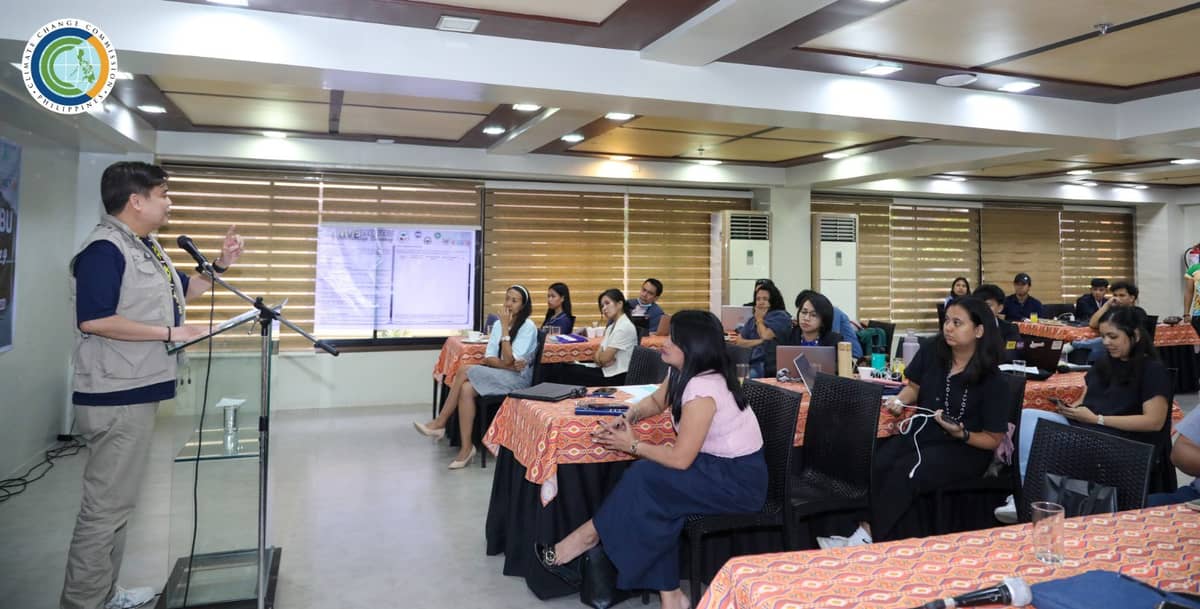
The Climate Change Commission (CCC) has underscored the need for science-based, data-driven initiatives to protect Lake Sebu in South Cotabato from ecological threats and climate change impacts. During a recent stakeholder meeting organized by the local government under Mayor Remie Mann Unggol, officials and experts discussed the municipality’s potential for economic growth, environmental sustainability, and cultural preservation.
Lake Sebu, designated as a protected area spanning 102,350 hectares, includes three major lakes: Lake Sebu, Lake Seloton, and Lake Lahit. While these bodies of water are vital for the region’s economy, tourism industry, and ecological stability, Vice Mayor Liezel Tupas-Isuga raised concerns about fish kills, deforestation, siltation, overcrowded fish cages, poor waste management, and broader vulnerabilities linked to climate change.
Attended by representatives from the academe, local government units, and ecologists, the meeting aimed to develop a comprehensive conservation strategy for Lake Sebu. Talks centered on ecotourism, carrying capacity, and the need for resilience-based rehabilitation of both coastal and riparian habitats. Secretary Robert E.A. Borje, CCC Vice Chairperson and Executive Director, emphasized that an integrated, science-driven approach must guide the region’s long-term climate resilience plan.
“Climate resilience can be seen as both an object and instrument of policy, and this approach can help further bolster community efforts to preserve and conserve Lake Sebu,” Borje stated.
He added that the CCC will provide technical assistance and capacity-building support to local government units to enhance their climate adaptation plans and capabilities to access climate funding.
Highlighting the role of public engagement, cultural advocate Lenly Gula urged integrating climate action into social media platforms.
“We need to mobilize and maximize social media for call-to-action campaigns, particularly in promoting care for our ecosystems. Creating one- to two-minute reel content backed by scientific knowledge and clear calls to action can help raise awareness and inspire action for Lake Sebu,” she said.
The CCC remains committed to collaborating with various stakeholders to mainstream climate resilience and conservation measures in Lake Sebu and other communities nationwide.