
Philippines pushes stronger adaptation measures at UN climate talks

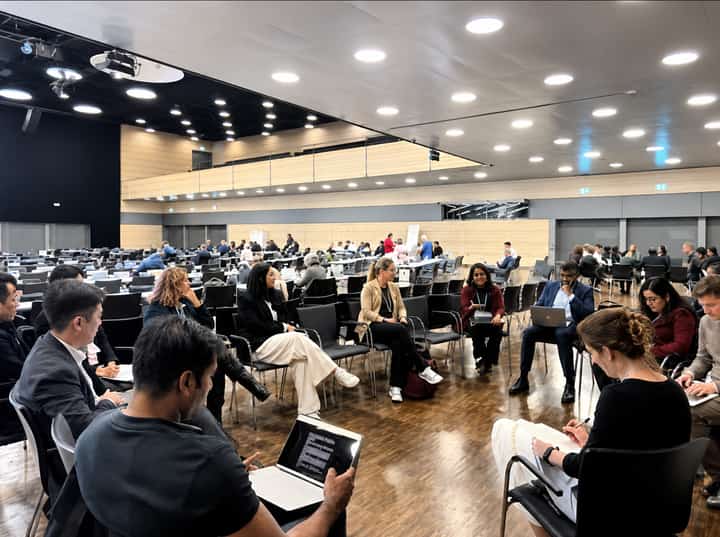
The Philippines called for stronger action on climate adaptation and increased support for developing countries during the 64th Sessions of the Subsidiary Bodies (SB64) of the United Nations Framework Convention on Climate Change (UNFCCC) held from 8 to 18 June.
During discussions on the Global Goal on Adaptation (GGA), the Philippine delegation urged the development and operationalization of adaptation indicators to help countries identify climate-related needs, guide implementation, and mobilize support for vulnerable communities.
The country also advocated for the accelerated implementation of the Belém–Addis Vision on Adaptation, which aims to help nations assess progress and strengthen adaptation efforts.
Climate Change Commission (CCC) Commissioner Rachel Anne S. Herrera, who headed the Philippine delegation, emphasized the need to operationalize the GGA.
“Adaptation efforts must be supported by accessible finance, technology transfer, and capacity-building,” Herrera said.
The Philippines stressed that adaptation indicators should be practical tools for informing decision-making, strengthening implementation, and identifying areas where support is needed.
The delegation also called for the immediate establishment of a technical task force to support the development of adaptation indicators and urged balanced regional representation in the process.
In separate discussions on the Baku Adaptation Road Map, the Philippines pushed for adaptation finance to remain a key component of global climate efforts, citing continuing challenges faced by developing countries in accessing financial support.
CCC Vice Chairperson and Executive Director Robert E.A. Borje said the country's positions in climate negotiations are guided by President Ferdinand Marcos Jr.'s directive to advance national interests while strengthening climate resilience.
“Guided by this directive, the Philippines continues to advocate for stronger support for developing countries and meaningful outcomes that help communities adapt to climate impacts and build resilience,” Borje said.
He added that adaptation remains a national priority given the country's vulnerability to climate-related hazards.
“For the Philippines, adaptation is fundamentally about safeguarding people and communities. Every investment in resilience strengthens our capacity to withstand climate impacts and secure a safer future for present and future generations,” Borje said.
The SB64 meetings serve as a preparatory platform for negotiations and decisions that will be taken up at the next UN Climate Change Conference.