
Safeguarding hog farmers without emptying tables
Importers, meat processors and local raiser federations must establish an integrated supply forecasting council alongside the Department of Agriculture.
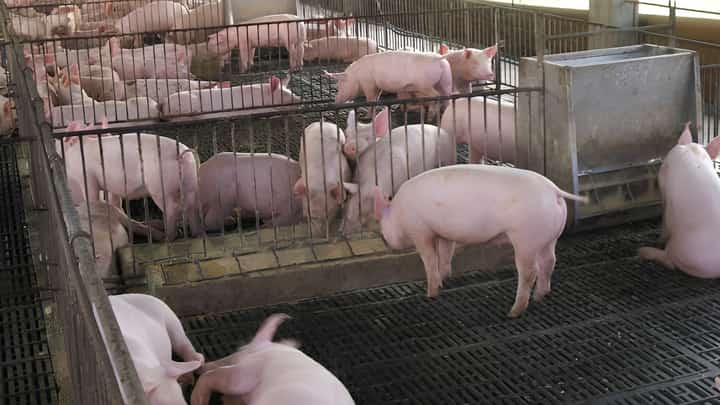
The agricultural landscape presents a stark dilemma for economic planners. Domestic farming output has slipped, economic pressures remain tangible, and urban households continue to feel the bite of food inflation.
At the center of this storm sits the livestock sector. Tariff reductions on imported pork were intended to act as an emergency release valve for consumer prices, yet unbridled importation has flooded wet markets with cheap frozen cuts, undercutting backyard raisers and commercial producers alike.
Farmgate prices have dipped drastically, eroding profit margins for local hog raisers who already bear the heavy burdens of high feed costs and African swine fever (ASF) biosecurity protocols.
Continuing along this path risks crippling our long-term food sovereignty. Once smallholder farms collapse, domestic supply chains disappear, leaving the nation entirely reliant on volatile global markets.
Achieving a balance requires moving past the binary choice between cheap imports and local production. The Marcos administration must implement a calibrated agricultural framework that protects local livelihoods while keeping food accessible.
First, tariff structures require a dynamic, seasonal adjustment mechanism. Low tariffs should not function as a permanent baseline. When local herds recover and harvest yields peak, import tariffs must automatically adjust upward to safeguard farmgate prices. Conversely, when genuine domestic shortages emerge, import quotas can open under strict time bounds.
Second, tariff revenues must directly fund domestic capacity building. Ring-fencing duties collected from pork imports can finance accessible credit for feed grain procurement, cold-chain infrastructure and accelerated ASF vaccine rollouts. Upgrading cold-chain logistics ensures smallholders can process and store meat efficiently, preventing panic-selling during supply surges.
Third, market segmentation offers a pragmatic compromise. Imported frozen pork primarily serves industrial processors and institutional buyers, whereas Filipino consumers overwhelmingly prefer fresh pork (karne sa palengke). Enforcing strict cold-chain compliance and clear labeling across retail markets will protect fresh local meat from unfair competition against thawed imports sold as fresh stock.
Unifying competing interests requires shared accountability. Importers, meat processors and local raiser federations must establish an integrated supply forecasting council alongside the Department of Agriculture. By sharing real-time data on local herd inventory and consumer demand, imports can be timed to bridge genuine supply gaps rather than displace local harvests.
Protecting local hog farmers is not merely a matter of economic policy — it is a vital component of national food security. By aligning trade policy with targeted domestic investment, the government can foster a resilient agricultural ecosystem that serves producers and consumers alike.