
Justice begins with listening
We must listen to the communities we serve, understand the obstacles they face, and recognize where our programs fall short.
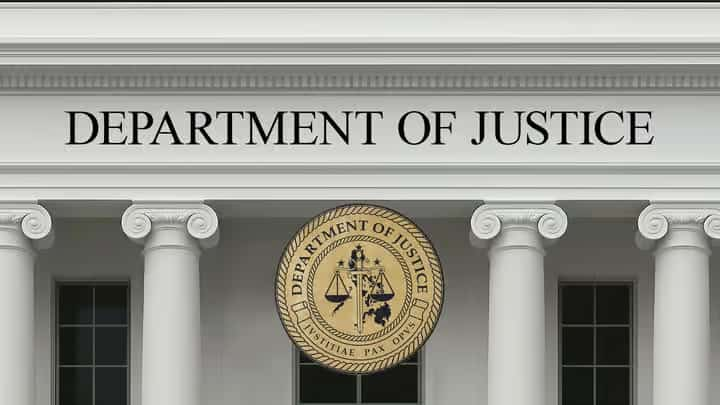
Justice is often measured by the laws we pass, the cases we resolve, and the institutions we build. But beyond these is a more fundamental question: Are we reaching the people who need justice the most?
This was the question the Department of Justice (DoJ) sought to address through the second Justice and Human Rights Summit held from 24 to 26 November.
Building on last year’s inaugural summit, the three-day gathering brought together government agencies, civil society organizations (CSO), and other stakeholders to examine the realities faced by vulnerable sectors and identify ways to make the justice system more accessible and responsive.
For me, the summit was particularly meaningful because it underscored the importance of listening.
Policies and programs may be developed with the best intentions, but good intentions alone do not guarantee good results. We must listen to the communities we serve, understand the obstacles they face, and recognize where our programs fall short.
This is why collaboration with CSOs is indispensable. Their work brings them closer to the everyday experiences of vulnerable communities. Their insights help us identify what is working, what needs improvement, and where government must do more.
I had the privilege of leading the third day of this year’s summit, which focused on women and the LGBTQIA+ community. This expanded last year’s discussions, which centered on women alone.
Including the LGBTQIA+ community recognizes that the pursuit of gender equality and protection from discrimination must account for the diverse experiences of people who continue to face barriers to their legal and human rights.
These were not merely academic discussions. Behind every issue raised are people whose experiences remind us why access to justice matters. Whether it is a woman seeking protection from domestic violence or an LGBTQIA+ individual facing discrimination, our institutions must respond with dignity and fairness.
But the summit’s work must not end with its three-day program. Its real value lies in what follows: stronger partnerships, recommendations translated into action, and improvements in the programs and services we deliver.
Building a human rights-based justice system is not the responsibility of the DoJ alone. It requires the collective commitment of government, civil society, and the communities themselves.
The second Justice and Human Rights Summit was another step toward that goal. Because justice cannot be truly accessible if anyone is left behind. And to build a system that serves everyone, we must first be willing to listen to everyone.