
Green exports seen creating 9.5M jobs by 2030
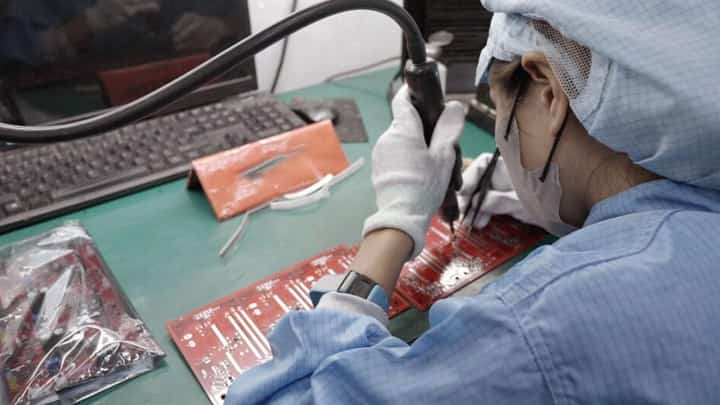
THE Semiconductor and Electronics Industry Advisory Council vowed to help achieve the 128,000 new jobs in the country's Semiconductor and Electronics Industry by 2030.
Green exports are projected to generate 9.5 million additional jobs worldwide by 2030, with electrical and electronic manufacturing expected to play a major role in expanding employment across Asia and the Pacific, according to a study by the International Labour Organization (ILO).
The report, titled ILO Working Paper 181: Advancing Green Trade and Employment under Global Uncertainty, identifies China as the largest contributor to the projected job growth, with an estimated 3.63 million new positions.
The East Asia and Pacific region is expected to gain another 2.37 million jobs, while the European Union could add 1.64 million.
Machinery and equipment manufacturing will remain the main source of green trade employment across most regions and income groups, accounting for 30% to 40% of projected jobs. Electrical and electronic equipment is also expected to generate significant employment, particularly in China and Latin America, and rank as the second-largest source in other regions.
Motor vehicles, metal products and chemicals are also expected to contribute, although their employment impact varies across markets.
However, the ILO warned that rising trade tensions could undermine these gains. Tariff increases and retaliatory measures could eliminate approximately 530,000 jobs that would otherwise be supported by green trade.
“The results suggest that high-income countries and China will have a disproportionate influence on green exports in the coming years. In the absence of trade conflict, most economies experience strong growth in green exports,” the ILO said.
The agency stressed that keeping trade barriers low for environmental goods is important not only for climate action but also for employment.
The study also identified risks to job quality and inclusivity. While green trade can expand formal employment in middle-income economies, jobs in machinery, electronics and vehicle manufacturing remain less accessible to women.
“Without deliberate action on training and recruitment, an expansion of green trade risks widening the gender gap in employment,” the ILO said.
The report further noted that China and high-income economies are expected to capture most employment gains, while South Asia and Africa combined are projected to add fewer than 90,000 jobs.