
Supreme Court institutionalizes support for public interest lawyers
Public interest lawyers gained the backing of the Supreme Court (SC) after it approved rules institutionalizing financial and other support for organizations serving marginalized, vulnerable, and disadvantaged communities.
The Rules on Institutionalizing Support for Developmental and Social Change Lawyering (A.M. No. 24-07-24-SC), promulgated on 26 August 2026, aim to recognize developmental and social change (DSC) lawyering as a legitimate career path and strengthen access to justice.
Under the rules, eligible nonprofit organizations must have at least five years of experience providing legal services to underserved communities and demonstrate financial transparency and accountability.
Accredited organizations may receive financial grants, exemptions from legal fees in litigation, assistance with compliance under the Unified Legal Aid Service Rules, and protection against strategic lawsuits against public participation (SLAPP).
Some 60% of financial grants must go to personnel support, while the remaining allocation may fund programs, projects, and activities.
Funds may also support emergency security measures for personnel facing actual and imminent threats to their lives, liberty, or security.
A Developmental and Social Change Council was established as an autonomous unit attached to the Integrated Bar of the Philippines National Center for Legal Aid to evaluate accreditation applications.
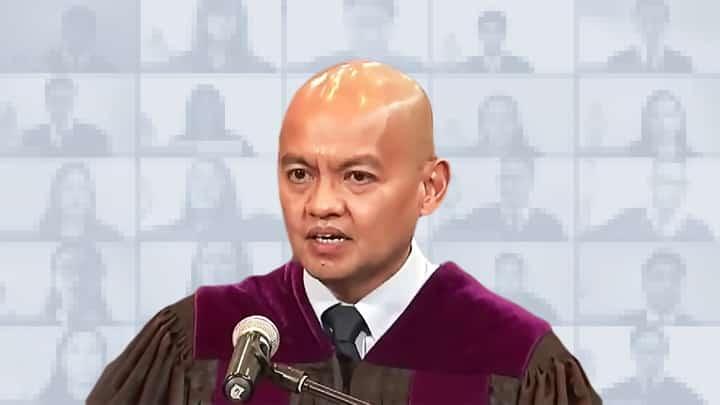
Senior Associate Justice Marvic Leonen, who chaired the technical working group that developed the rules, said DSC lawyering goes beyond providing legal assistance to individuals by addressing the systemic causes of inequality.
Leonen cited the need to use the law to address problems such as inadequate housing and the challenges faced by marginalized communities.
Public interest lawyers who challenge the status quo are sometimes labeled “subversives,” exposing them to risks, Leonen noted.
The senior associate justice said the new rules would also help law students recognize public interest lawyering as a career option.
The DSC Rules complement the SC’s Unified Legal Aid Service Rules, which require covered lawyers to render 60 hours of pro bono legal services over three years.
While the latter focuses on free legal assistance, DSC lawyering also seeks community empowerment and reforms addressing the root causes of inequality.
The court said the DSC Rules would take effect upon publication in the Official Gazette or in two newspapers of national circulation, and on the websites of the SC and the IBP.