
Teves: Economy stagnates amid corruption fallout
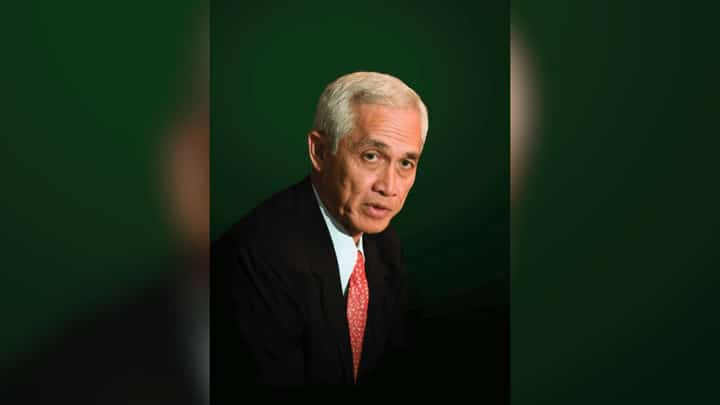
The Philippine economy is already showing signs of stagnation and could slide closer to stagflation as inflation bites, growth falters and a corruption-tainted budget raises fresh concerns, former Finance Secretary Gary Teves warned Wednesday.
“We should be concerned,” Teves said in an exclusive interview on the DAILY TRIBUNE program Straight Talk.
Stagflation generally refers to a combination of sluggish economic growth, high inflation and high unemployment. While some economists argue that the Philippine economy is already showing signs of stagflation, Teves said the country has yet to enter a period of economic contraction or zero growth.
“Many economists vary under interpretation on what stagflation is. Some would suggest that a combination of continuous slowdown in economic growth, high unemployment and under employment, and high interest rates would be manifestations of stagflation,” he said.
“However, we are not yet in the zero or contraction territory yet. And I think we need to find out how things will work out.”
Economic growth slowed for four consecutive quarters, reaching a 17-year low of 2.3 percent in the second quarter of 2026. Inflation also surged, reaching 7.2 percent in September, matching its three-year high recorded in April.
Unemployment, meanwhile, eased to 5.3 percent in August from 6 percent in July, with roughly 370,000 Filipinos finding work. However, the rate remained above the 3.9 percent recorded in August last year.
Teves described the current economic situation as stagnation, warning that the expected severe El Niño toward the end of the year could further cloud the outlook.
“I would probably hasten that we are really in the midst of a stagnation situation at the moment,” he said.
“But we should be concerned about it. And we should all work together to get us out of this situation as quickly as possible,” added Teves.
The government has attributed the slowdown in growth partly to persistent delays in public infrastructure projects amid the unresolved flood control scandal, which coincided with the onset of the Middle East war in March.
Teves said inflation and the national budget process, which remains under heightened scrutiny amid widespread corruption allegations, were among Filipinos’ key concerns. He questioned whether the proposed budget adequately addressed these issues and urged the President to use his “persuasive powers” to address alleged budget irregularities.
“Thoise two alone should already indicate whether the present budget as presented by the House is addressing those two major concerns. I don't think so,” he said.
The House-approved budget has added P180 billion for Department of Public Works and Highways (DPWH) infrastructure, including the restoration of P107.4 billion for flood control projects. Critics have alleged that opaque budget insertions favor discretionary projects over essential services.
Minority lawmakers have also raised concerns about reduced funding for PhilHealth, the Department of Education and other education programs, as well as preventive healthcare. House leaders, however, maintain that the overall education allocation was preserved and health-sector funding increased.
Teves said the public needed more information about the reasons behind increases in certain budget items, including infrastructure and other projects.
“At this point, not much information is available in terms of how and why they decided on these increases in certain areas like the DPWH and what you call these basketball courts and the unconditional ayuda among others,” said Teves.
“I mean, some of that might be legitimate, but then I think it's better to scrutinize all of this because every peso count now because we have very limited resources,” he added.