
BSP raises credit card installment rate ceiling to 1.5%
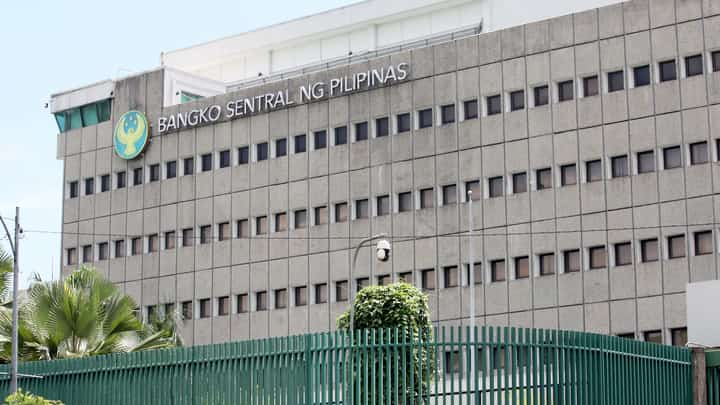
The Bangko Sentral ng Pilipinas (BSP) has raised the ceiling on monthly add-on rates for credit card installment loans to 1.5 percent from 1 percent, while increasing the maximum cash advance processing fee to P300 from P200 per transaction.
In a Thursday statement, the central bank said it would retain the 3-percent monthly cap on finance charges for credit card loans.
The adjustments, covered by BSP Circular No. 1242 issued on 10 November, are intended to give banks and credit card issuers greater flexibility to recover rising lending and operating costs, but could also make borrowing more expensive for consumers relying on installment plans and cash advances.
“These adjustments aim to balance consumers’ protection with access to credit. They also provide credit card issuers more flexibility in setting charges as operating costs rise,” the BSP said.
The BSP first imposed caps on credit card charges in November 2020 as a relief measure during the COVID-19 pandemic. It set the monthly finance charge ceiling at 2 percent, the installment loan add-on rate at 1 percent and the cash advance processing fee at P200 per transaction.
In February 2023, the BSP raised the finance charge ceiling to 3 percent a month. Before the pandemic, no such cap was in place. The adjustment was primarily intended to address rising operating and funding costs faced by banks and credit card issuers amid high inflation and successive BSP interest rate hikes, which came as fuel price-driven inflation intensified following the Russia-Ukraine war.
The central bank said it regularly reviews credit card fee and charge ceilings based on economic conditions, the soundness of banks and other financial institutions, and consistency with its monetary policy settings.
In a separate statement on Thursday, the BSP renewed its call to continue fighting inflation, noting the limited impact monetary policy can have on inflation driven by this year's Middle East conflict.
“Since monetary policy is unable to control the direct inflationary effect of recent global supply shocks, it focuses on the second-round effects of such shocks,” the central bank said.
“Restoring price stability and safeguarding households' purchasing power are essential to rebuilding confidence and supporting a durable economic recovery. “
The BSP has raised interest rates four consecutive times since the Gulf conflict began in March, with the latest being a “jumbo” 50-basis-point hike in October, when inflation surged to a three-year high of 7.8 percent. Inflation last exceeded 8 percent in 2023, when the Russia-Ukraine war drove up prices.
The BSP earlier introduced relief measures following the Middle East conflict, including loan payment grace periods of up to six months, agricultural loan deferrals of up to one year, temporary regulatory relief for affected loans and proposed fee waivers on digital transactions. These measures aim to cushion consumers and businesses while preserving financial stability amid rising energy costs.
Central bank chief Eli Remolona Jr. has acknowledged similarities between the current oil supply shock and the one in 2023, noting that further and larger rate hikes remain possible depending on incoming data.