
Clutter-free spaces, mindful thoughts in a minimalist design
Minimalism is not simply about having fewer possessions or decorating a home with white walls and neutral furniture. At its core, it is about making deliberate choices about what belongs in a space and ensuring that each item serves a purpose.

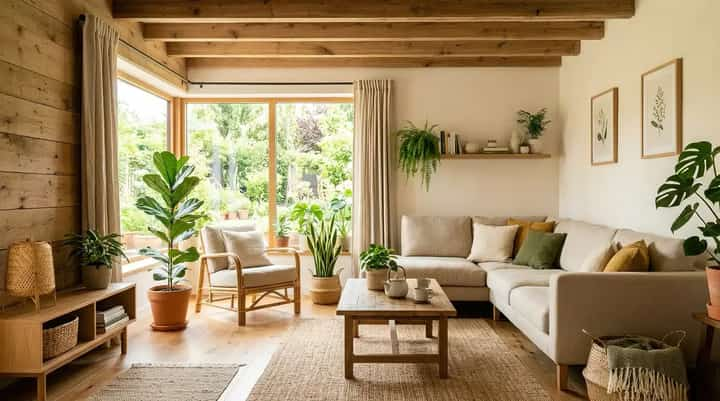
WOODEN furniture, indoor plants and textured furnishings introduce warmth into a minimalist interior. Carefully selected decorative elements allow homeowners to maintain a simple design while reflecting their personal preferences.
Photograph courtesy of house and hold
How thoughtful organization, functional furniture and simpler interiors can help create a more comfortable living environment.
A cluttered room can make everyday tasks feel more difficult. From searching for misplaced belongings to finding space on a crowded desk, visual and physical clutter can affect how people use and experience their homes. This is one reason minimalist design has become a popular approach to interior spaces, particularly for homeowners who want a more organized and functional environment.
Minimalism, however, is not simply about having fewer possessions or decorating a home with white walls and neutral furniture. At its core, it is about making deliberate choices about what belongs in a space and ensuring that each item serves a purpose.
In interior design, this approach places emphasis on functionality, open spaces, clean lines and carefully selected furnishings. Rather than filling every available surface, homeowners can prioritize the items they need and the features that make their homes comfortable to live in.
The connection between clutter and the mind
The relationship between physical surroundings and mental well-being has been explored in environmental psychology, which examines how people interact with the spaces around them. Research suggests that clutter and competing visual information can affect attention, while an organized environment may make certain tasks easier to manage.
When a room contains too many objects competing for attention, it can become harder to focus on a particular activity. A desk covered with paperwork, electronics and unrelated belongings, for instance, may be less conducive to concentrated work than a surface arranged around the task at hand.
The goal is to understand which elements of a home support a person’s needs and which create unnecessary distractions. For some, this may mean clearing a work surface. For others, it could involve organizing a crowded entryway or making frequently used belongings easier to find.
Designing with intention
One of the main principles of minimalist design is intentionality. Instead of buying furniture or decorations simply to fill an empty space, homeowners can consider how each item contributes to the room’s purpose.
In a living room, this might mean choosing a sofa that fits the available floor area, keeping frequently used items within reach and limiting decorations to pieces that have personal or practical value. In a bedroom, clear bedside tables and accessible storage can help make the space easier to maintain.
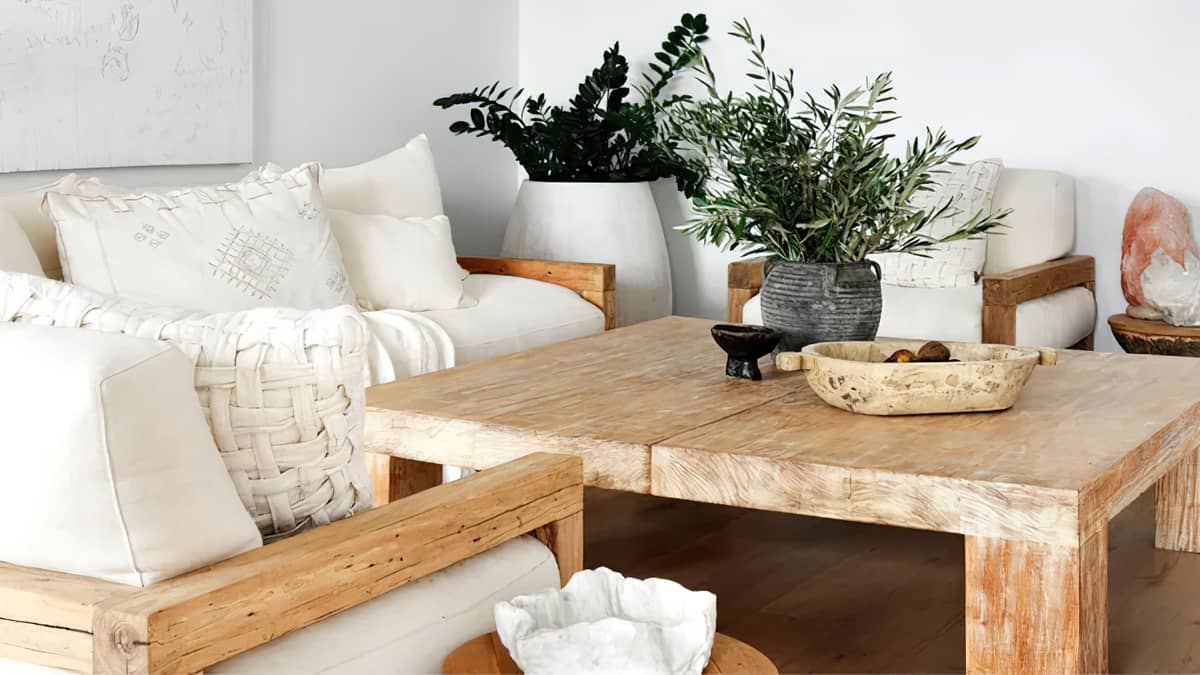
A MINIMALIST living room uses functional furniture and a restrained arrangement of decorative objects to maintain an open layout. Keeping frequently used areas clear can make the room easier to navigate and maintain.
Photograph courtesy of Home Beautiful
Furniture should also suit the proportions of the room. Oversized pieces can make a small condominium feel cramped, while multifunctional furniture, such as storage beds and nesting tables, can provide flexibility without taking up unnecessary space.
Storage is equally important. Baskets, cabinets, drawers and wall-mounted shelves can help keep everyday belongings organized without requiring homeowners to discard everything they own. The objective is not to hide all signs of daily living, but to make sure items have designated places.
The role of light, color and texture
Minimalist interiors are often associated with white walls, neutral colors and simple furniture, but the style does not have to be limited to a monochromatic palette.
Soft beige, warm gray, muted green and natural wood tones can provide visual interest while maintaining a cohesive appearance. Textures also help prevent a simple room from feeling flat. Linen curtains, woven baskets, wooden furniture and textured cushions can introduce variety without overwhelming the space.
Lighting is another important consideration. Natural light can make a room feel more open, while appropriately placed lamps provide illumination for reading, working or relaxing. Keeping windows relatively unobstructed, where practical, can also help maximize available daylight.
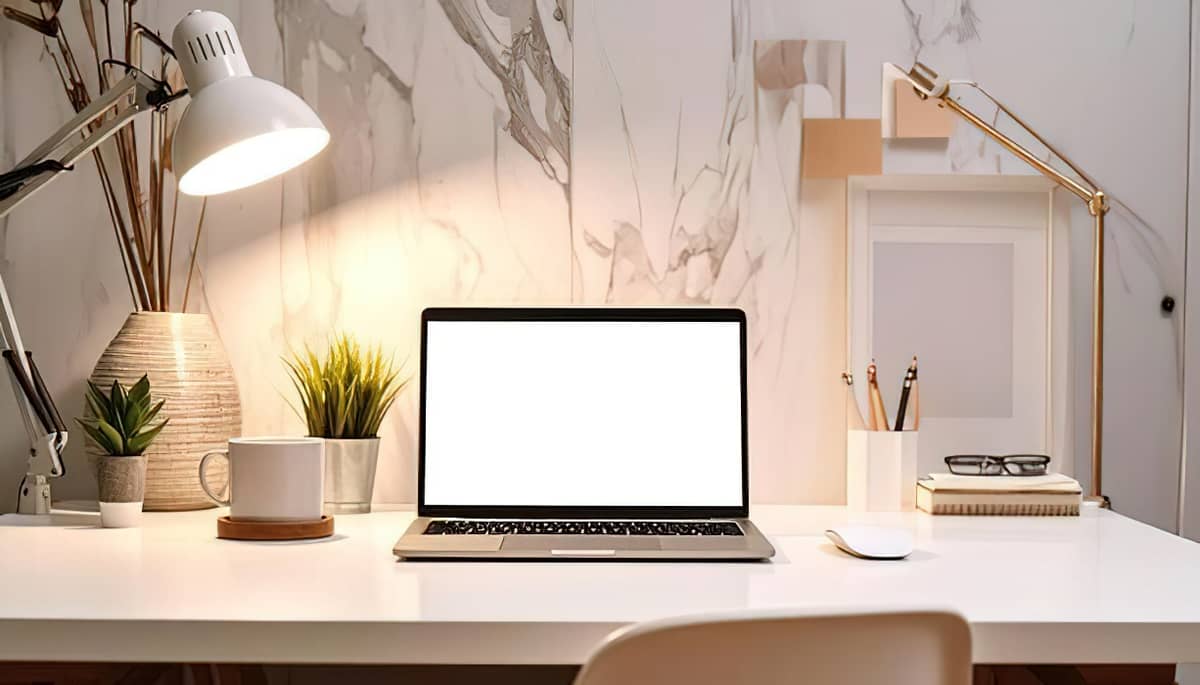
AN organized home workspace keeps essential items within reach while leaving room for daily tasks.
Photograph courtesy of Vecteezy
For homes in tropical climates, the arrangement of furniture should take ventilation and heat into account. Avoiding unnecessary obstructions near windows and choosing materials suited to local conditions can make a minimalist interior more comfortable as well as visually appealing.
Building habits that keep spaces organized
A minimalist home is not achieved through a single cleaning session. Maintaining it often requires small, consistent habits.
Returning items to their designated places, clearing kitchen counters after preparing meals and sorting mail instead of allowing it to accumulate can help prevent clutter from returning. Periodically reviewing belongings can also help households identify items they no longer use.
Decluttering does not necessarily mean throwing everything away. Items can be donated, sold, repaired or stored appropriately, depending on their condition and usefulness. Sentimental belongings may also deserve a place in the home, even if they are not used every day.
The purpose of organization is to make these activities easier, not to eliminate the things that make a home personal.
A simpler space, a more practical home
Minimalist design offers an opportunity to reconsider how a home functions. By reducing unnecessary distractions, improving storage and choosing furnishings with care, homeowners can create spaces that are easier to navigate and maintain.
The approach does not require expensive renovations, matching furniture sets or an entirely new interior. It can begin with a single desk, a crowded kitchen counter or a bedroom wardrobe that needs reorganizing.
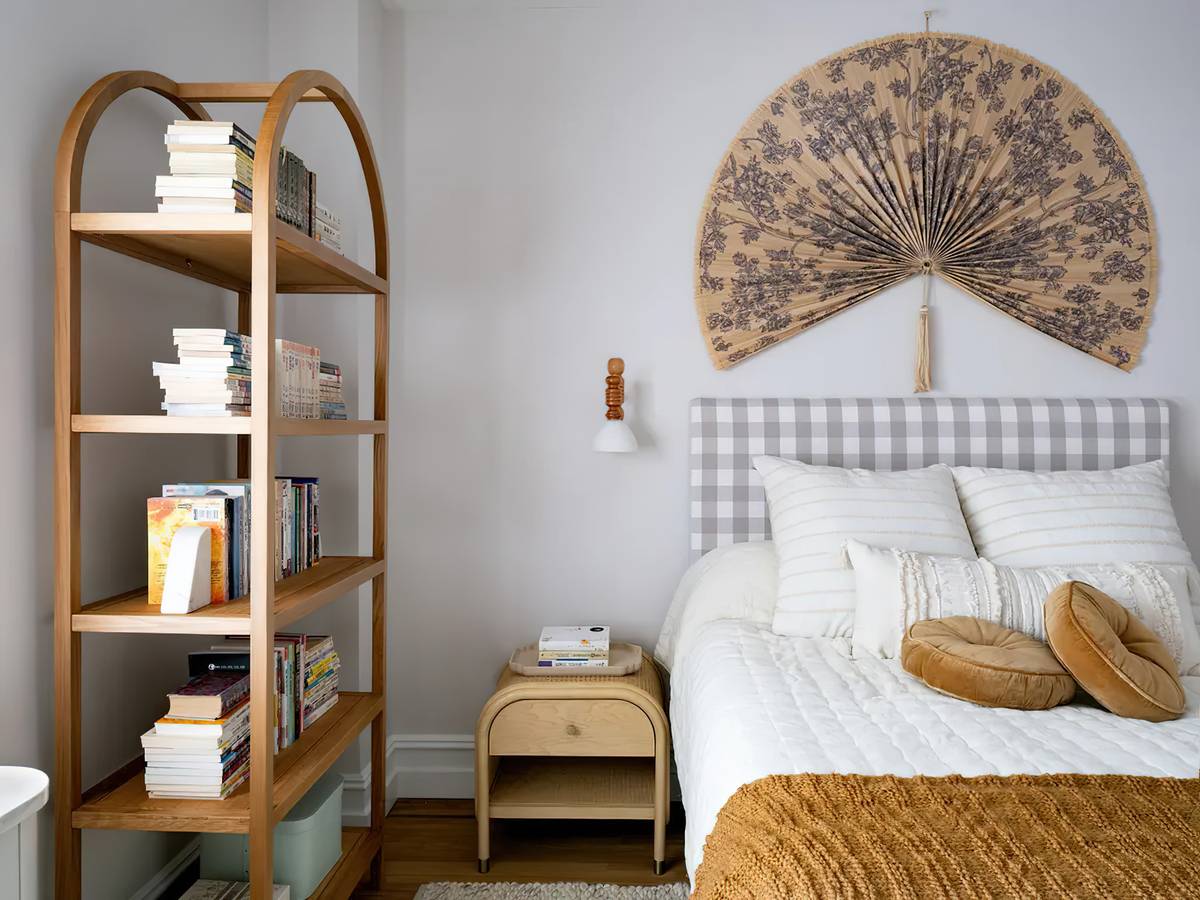
A MINIMALIST bedroom prioritizes comfortable furnishings and an organized layout. Keeping bedside surfaces clear and providing designated storage for personal belongings can help maintain a functional space for rest.
Photograph courtesy of Architectural Digest