
Even the dead need space
We sit beside tombs for hours during ‘Undas’ and that tradition should remain central in how we design the next generation of cemeteries.
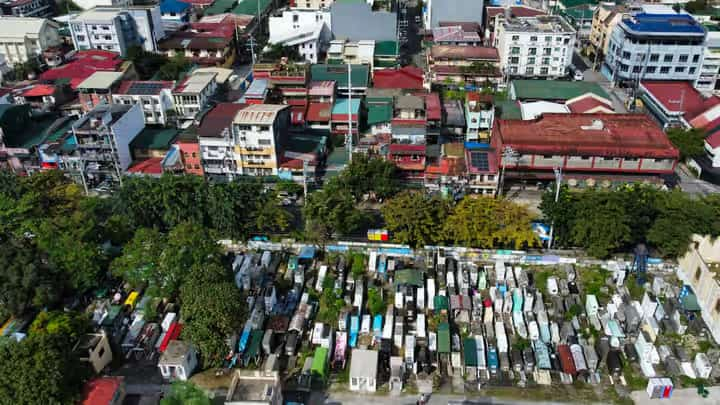
Every Undas, some of the quietest places in our cities suddenly become some of the busiest. Manila North Cemetery expects around two million visitors this year, up from 1.8 million last year. Manila South Cemetery expects another 700,000 to one million. Authorities will close both cemeteries to vehicles for several days simply to make room for people walking between the graves.
For most of us, this is the time of the year when we think about cemeteries as we visit our loved ones who have passed on. The rest of the year, however, families face a much more practical question: where exactly will we bury everyone?
Filipinos already discuss memorial lots in surprisingly familiar real-estate language. People compare locations, prices, and installment plans. Some buy lots years in advance while others debate whether they should treat them as an investment or simply as one less expense for their families to worry about later on.
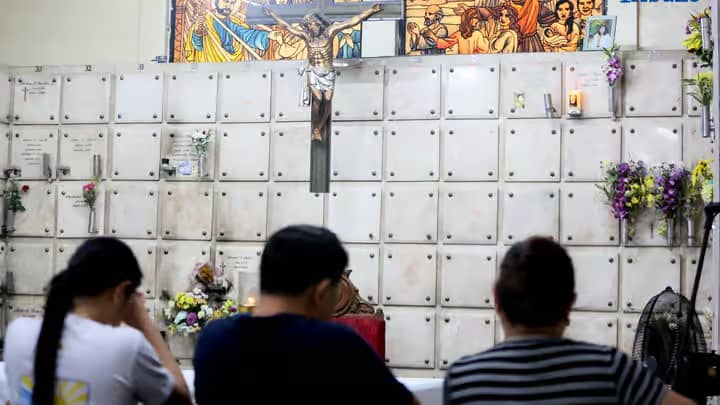
Columbaria offer a more compact alternative to traditional burial while still giving families a physical place to visit, pray and remember their loved ones.
PHOTOGRAPH by Analy Labor for DAILY TRIBUNE
It sounds strange until you consider the numbers. The Philippine Statistics Authority recorded 701,884 deaths in 2024, or an average of around 1,918 every day. NCR residents accounted for more than 84,000 registered deaths that year. People continue to die while urban land remains finite. Eventually, something has to change.
Our attachment to a physical resting place runs deep. Across cultures and centuries, people have repeatedly given memory a physical form, from monumental tombs built for rulers to simple graves marked only with a name. The pyramids of Egypt and the Taj Mahal may sit at the grandest end of that tradition, but the impulse behind them remains familiar: We want somewhere for the dead to belong.
For centuries, the Catholic Church strongly favored burial and restricted cremation. In 1963, it relaxed those restrictions, recognizing that cremation itself did not contradict Christian belief. The Church still prefers burial today, yet this change shows how even deeply rooted practices surrounding death can adapt while preserving their essential purpose: treating the dead with dignity and giving the living somewhere to remember them.
We are already seeing burial practices adjust. Cremation, columbaria, ossuaries and multi-level burial structures offer increasingly compact alternatives. In a sense, cemeteries are confronting the same problem that housing did decades ago: when there is no more room to expand horizontally, we begin to build upward.
But a cemetery or columbarium cannot function simply as a storage for human remains. Families return to graves to bring flowers, tidy up the area, light candles, and introduce children to relatives they have never met. The grave or urn gives memory a physical address. We sit beside tombs for hours during Undas and that tradition should remain central in how we design the next generation of cemeteries.
Perhaps we should plan for these spaces with the same long view that we expect from roads or housing. As our cities keep growing, land will become harder to find. The familiar cemetery of sprawling individual plots will eventually have to share space with columbaria, apartment tombs, ossuaries and other increasingly compact forms.
That does not mean abandoning tradition. Architecture often changes precisely so traditions can survive. The Filipino cemetery of the future may occupy less land. It may rise several stories instead of spreading across hectares. But if we design it well, families should still find what they have always gone there looking for: a dignified place to visit someone they miss.