
More coal won't fix Visayas power woes, think tank says
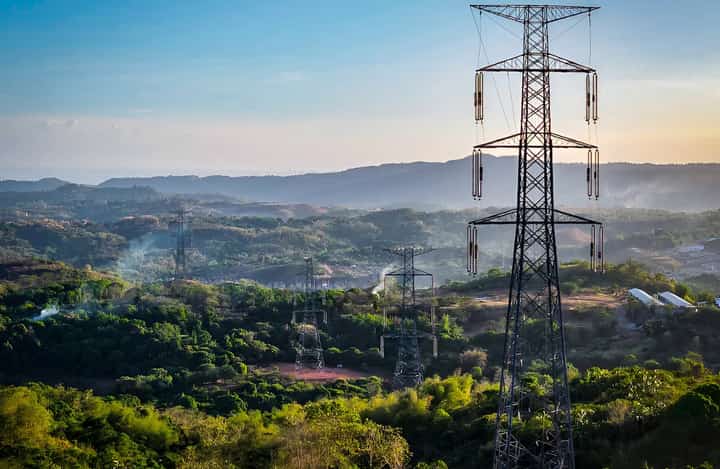
Lifting restrictions on coal-fired power plants in Negros and Bohol will not resolve persistent electricity supply problems in the Visayas, an energy think tank warned.
The Institute for Climate and Sustainable Cities (ICSC) said addressing localized power shortages, particularly in Cebu, Negros and Bohol, requires a combination of indigenous energy sources and flexible generation technologies rather than additional coal facilities.
ICSC energy transition adviser Alberto Dalusung III said recurring outages at relatively new coal plants demonstrate the limitations of relying heavily on conventional thermal generation.
“Adding more coal plants into a system that desperately needs flexibility will only repeat this damaging pattern,” Dalusung said.
He cited prolonged outages at Therma Visayas Inc. Units 1 and 2, both commissioned in 2019.
According to ICSC, the two 150-megawatt units experienced 148 and 167 days of outages, respectively, in 2026.
Other affected facilities included Panay Energy Development Corp. Unit 3, which had been offline for 44 days, and Cebu Energy Development Corp. Unit 1, which experienced a 42-day outage.
Dalusung argued that repeated shutdowns at relatively new facilities raise questions about how the power system operates, particularly the need for thermal plants to adjust output in response to fluctuating demand.
The group warned that building additional coal plants would take years and expose consumers to imported fuel costs.
ICSC noted that coal already accounts for approximately 60 percent of the country's electricity generation.
Instead, the organization recommended expanding geothermal and biomass generation, particularly in Negros, alongside solar power and battery energy storage systems.
Solar facilities could supply electricity during daylight hours, while batteries could store energy for use during periods of high demand or supply disruptions.
“Solar and BESS should not be treated merely as a short-term fix to the unfolding power crisis in the Visayas. They are the core solution for both the short and long term,” Dalusung said.
“The solution should therefore focus on technologies that can be deployed quickly and provide the flexibility that the grid actually needs, particularly solar energy and battery storage.”
ICSC also emphasized the importance of improving transmission infrastructure, maintaining adequate power reserves and diversifying generation sources.
“A dependable power system requires a combination of adequate generation, transmission infrastructure, reserves, and a diverse resource mix serving distinct operational roles,” the group said.