
Ombudsman’s receipts
The warning against paid comments and fake accounts is right, and it binds the Office to stay well clear of such tactics itself.

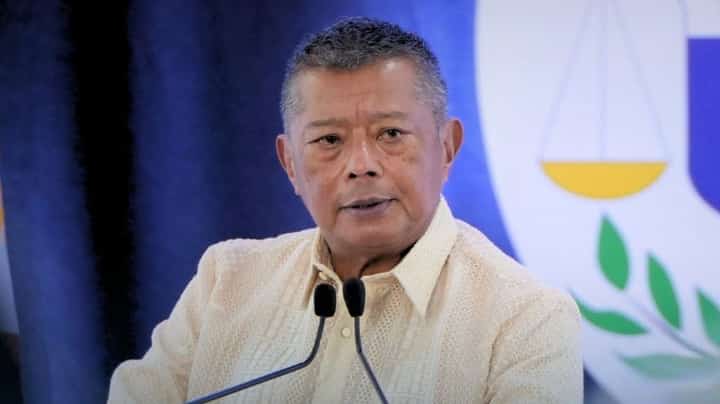
Anniversary speeches by public officials are usually occasions to take a victory lap.
Ombudsman Jesus Crispin Remulla’s first annual report, delivered on 12 October, was presented differently — as a ledger. Each promise he made on taking office was set against what the Office has done since. That structure invites the public to check his work rather than applaud it, and it was the speech’s greatest strength.
The numbers carried weight. Thirty-nine flood control cases are now in court, 35 of them before the Sandiganbayan. Fifty-two persons are facing charges, among them a sitting senator, a former senator, four congressmen including a former House speaker, a former public works secretary and 33 DPWH personnel. Some are in detention, while others remain at large.
For a scandal many Filipinos assumed would end like past scandals — with long hearings and no one jailed — that list matters.
Just as useful was his plain account of how a case is built: gather the documents, inspect the site, trace the money, hear the respondents and file only if the evidence holds. “Tatlong hakbang. Walang shortcut.” (“Three steps. No shortcut.”)
In a season of trial by Facebook, explaining the process is the most credible response to charges of selective justice.
The boldest passage was Remulla’s call for the Supreme Court to revisit the 2016 Macapagal-Arroyo ruling which requires prosecutors to name a “main plunderer” and prove personal benefit.
Remulla argued that the doctrine protects the largest syndicates best — and the flood control scheme, with its many hands and layered accounts, is the test. Lawyers will debate the point. The public deserves to hear it.
Transparency also was given substance. The Office has granted 1,770 SALN requests since lifting the old restrictions, a figure that turns a policy reversal into a measurable result. Remulla also pledged to hold to account officials who resist transparency and digitization without justifiable cause.
The speech was weaker where it turned to the future. The pivot to economic recovery was welcome, and the examples of electricity bills, onion prices and permit bribes will land with ordinary Filipinos.
But the Investment Ombudsman and the 2027 Regulatory Summit came without timelines, budgets, or measures of success. A promise without a deadline is hard to audit next October, and auditing promises is exactly the standard this speech set for itself.
The firm line on social media also carries an obligation. The warning against paid comments and fake accounts is right, and it binds the Office to stay well clear of such tactics itself.
Remulla closed by saying the Office is “hindi para sa iisang tao o iisang administrasyon” (“not for one person or administration.”)
The year ahead will test that: whether cases will reach verdicts, whether the plunder doctrine is revisited and whether the newer promises come back with the same receipts as the first.