
‘Boying’ marks first year as Ombudsman

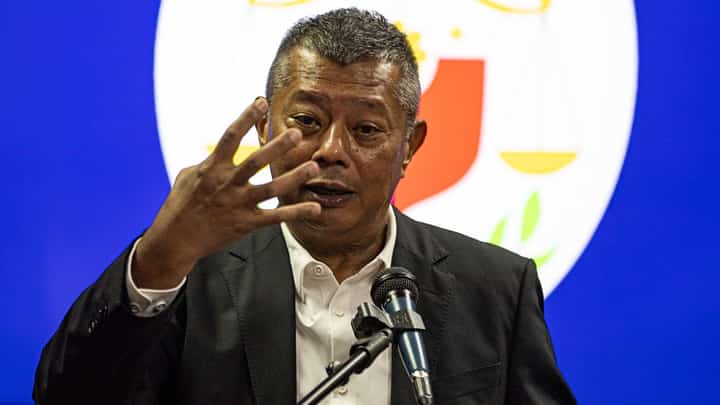
Ombudsman Jesus Crispin Remulla delivered his first annual address Monday at the Office of the Ombudsman Auditorium, highlighting major anti-corruption indictments and systemic transparency reforms executed during his initial year in office.
Addressing agency officials and public representatives, Remulla detailed the agency’s accomplishments since he assumed the post in October 2025 following widespread public outrage over infrastructure and flood control fund anomalies.
“One year ago, I took my oath as Ombudsman,” Remulla said. “It came at a time when the Filipino people needed action against corruption. They were angry, and they had every right to be. The Flood Control Scandal shocked our nation.”
Remulla reported that the agency has filed 39 criminal cases, including 35 brought before the Sandiganbayan anti-graft court, tied to infrastructure project irregularities.
The filings encompass two counts of plunder, four counts of malversation of public funds, and 33 violations of the Anti-Graft and Corrupt Practices Act.
The Ombudsman confirmed that charges have been brought against 52 individuals, comprising one incumbent senator, one former senator, four members of the House of Representatives — including a former House Speaker — a former cabinet secretary, 33 Department of Public Works and Highways personnel, and eight private contractors.
Prominent figures named in the filings include Senator Rodante Marcoleta, former Senator Ramon Revilla Jr., and former House Speaker Ferdinand Martin Romualdez.
Remulla cited that several defendants are currently in custody while law enforcement agencies track remaining respondents.
A central pillar of Remulla’s first-year agenda was dismantling administrative hurdles regarding public access to official Statements of Assets, Liabilities and Net Worth (SALN).
Under updated agency directives, the Ombudsman has granted 1,770 SALN disclosure requests with redactions applied strictly for sensitive personal information under the Data Privacy Act.
“For years, the public was told to ask the official’s permission before seeing what that official owned. We ended that,” Remulla said. “The wealth of a public servant is not a private matter.”
To bolster prosecution capabilities against sophisticated financial crimes, the agency conducted specialized training through its Field Investigation Course for 60 investigators, focusing on forensic asset tracing, digital evidence preservation, and site inspection protocols.