
Painful 7 October tragedy needs recalling — envoy
Filipino workers’ contributions have become an important part of the relationship between the two countries.

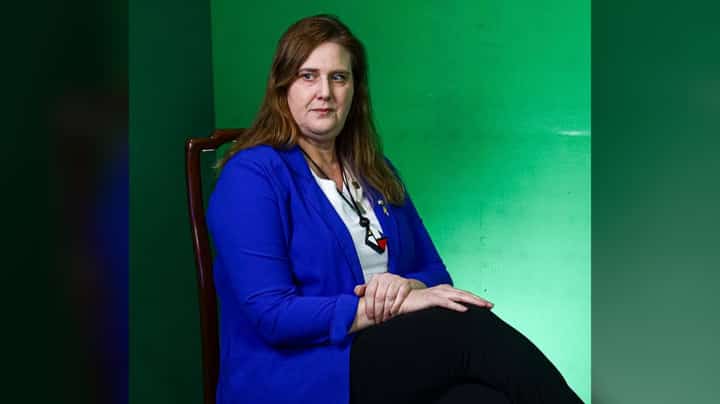
ISRAEL Ambassador to the Philippines Dana Kursh explained that preventing another attack on the scale of 7 October terror mayhem remained central to Jerusalem’s military and diplomatic decisions.
DAILY TRIBUNE images
Three years after the 7 October 2023 attacks that killed more than 1,200 people in Israel, Ambassador Dana Kursh says the tragedy continues to shape her country’s security priorities and its pursuit of peace with its neighbors.
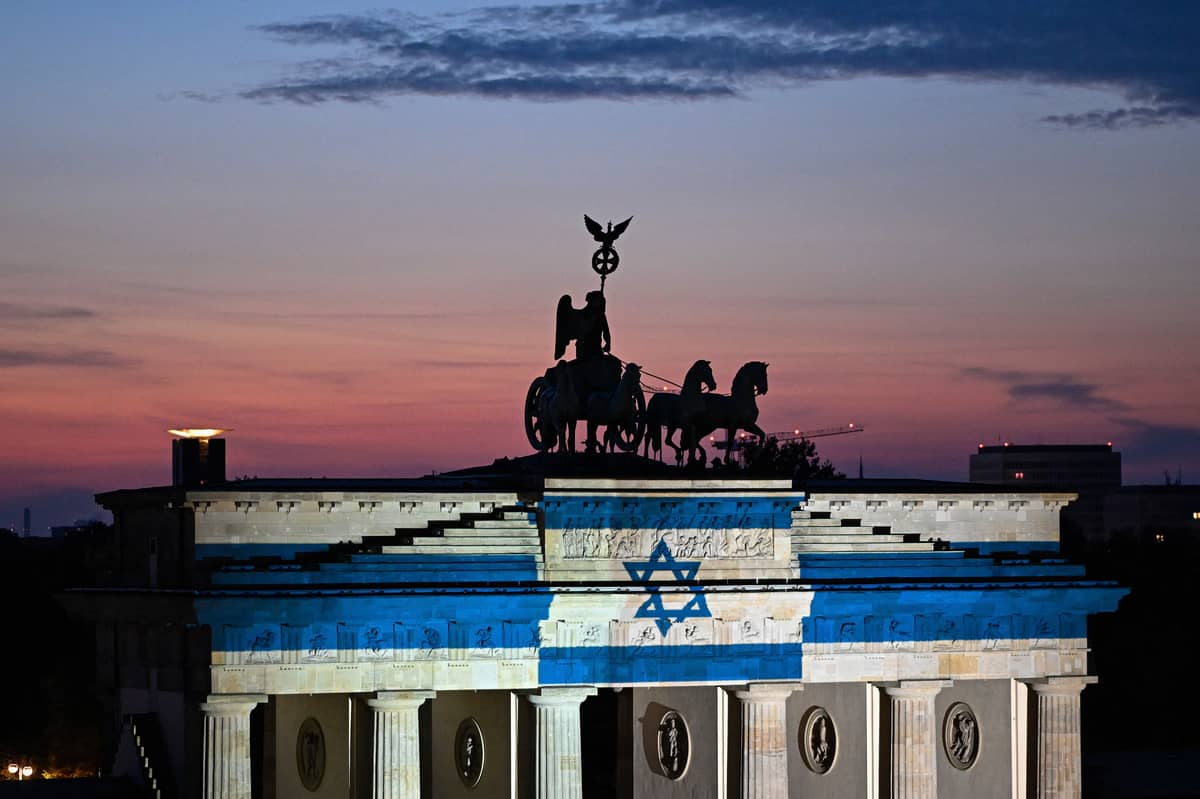
BERLIN’s landmark Brandenburg Gate is illuminated with the Israeli flag in Berlin on 7 October 2026, the third anniversary of Hamas’ terror attack on Israel that resulted in the murder of 1,200 individuals, including four Filipinos.
Tobias SCHWARZ/Agence France-presse
For Kursh, Israel’s ambassador to the Philippines, the anniversary is a reminder of the lives lost, the hostages taken and the lasting consequences of an attack that changed Israel’s security outlook.
The attacks also claimed Filipino lives, underscoring the tragedy’s impact on a community thousands of kilometers from the Philippines.
Speaking on DAILY TRIBUNE’s Straight Talk, Kursh recalled the attacks as a turning point in Israel’s relationship with the Palestinians and the wider Middle East.
She described the day as devastating, saying it fundamentally changed how Israelis viewed the security threats facing their country.
The ambassador maintained that preventing another attack on the scale of 7 October remained central to Israel’s military and diplomatic decisions.
The violence also left Filipino families grieving for loved ones who were working in Israel.
Not only OFWs
At a commemoration in November 2025, DAILY TRIBUNE reported that six Filipino workers had died and three had survived the violence associated with the 7 October attacks.
For Kursh, Filipino workers’ contributions have become an important part of the relationship between the two countries.
She has described overseas Filipino workers in Israel as members of Israeli society, emphasizing the relationships they have developed with the families they serve.
During the interview, Kursh described Israel as facing security threats on multiple fronts and argued that Hamas remained a danger to Israeli citizens.
She maintained that Israel’s fight was directed at Hamas rather than the Palestinian population.
The ambassador also acknowledged the destruction in Gaza and the suffering of its residents, but attributed responsibility for the devastation to Hamas and said Israel was working to facilitate humanitarian assistance.
Her remarks reflected the Israeli government’s position amid international criticism of its military campaign and the humanitarian consequences for Palestinians.
Kursh said Israel needed to ensure that Hamas could no longer carry out attacks of the kind seen on
She also identified Iran and its regional allies as major security concerns, arguing that their activities posed continuing threats to Israel.
The ambassador’s position illustrates how the attacks remain central to Israel’s public explanation of its security policies, even as its military operations and their consequences continue to draw international scrutiny.
The anniversary also brought renewed attention to Israel’s relationship with the Philippines.
Kursh acknowledged that the Philippines and Israel did not always agree on the war. She cited the Philippine delegation’s participation in a walkout during Israeli Prime Minister Benjamin Netanyahu’s address to the United Nations General Assembly.
Stay engaged, hold dialogues
While respecting the Philippines’ expression of solidarity with Palestinians, she argued that leaving a diplomatic forum limited opportunity for countries to understand one another.
“We can be good friends and disagree on issues, but we need to keep on listening to one another,” Kursh said.
She emphasized the importance of pakikipag-dialogo, or dialogue, in maintaining relations between countries with differing positions on the conflict.
Despite those disagreements, the ambassador said bilateral relations remained strong, citing cooperation in agriculture, water management, cybersecurity, health and education.
For Kursh, maintaining those ties is part of diplomacy: keeping communication open even when countries disagree over the events shaping the region.
For Kursh, the events of October 7 remain inseparable from her work as Israel’s representative in the Philippines.
Her assignment involves explaining Israel’s position on the attacks and the subsequent war while maintaining relationships with Filipino officials and communities whose views on the conflict may differ from her government’s.
She has also emphasized the importance of remembering the Filipinos who died or survived the attacks and acknowledging the role of Filipino caregivers in Israeli society.
Three years after the assault, the challenge she describes remains twofold: Ensuring the security of Israelis while pursuing a future in which the violence will not be repeated.
For the ambassador, dialogue remains essential even when agreement is difficult.
“I prefer to conduct this dialogue even if we disagree on issues,” she said.