
Old Town Dubrovnik: A historical heritage, traveler hotspot and a beloved home

We were living it up la buena vida on board our 12-night cruise — savored the penultimate food and drinks, entertained by a variety of the best multinational singers and dancers, spoiled by days at the spa, valued camaraderie and fostered friendships in cherished moments all throughout. In short, the ever-so-sweet life at sea.
So when a walking tour of Dubrovnik’s Old Town — known as the Pearl of the Adriatic — was offered as a day excursion on a port of call, we immediately opted for it. By then, we knew it was time to disembark on terra firma for a while and explore and discover — with siblings and travel buddies — one of Croatia’s medieval and most treasured cities.
I recall taking a leisurely walk on the Old Bridge, most fondly known as the Stari Most. Built in the year 1666 during the Ottoman Empire, a UNESCO World Heritage Site, not only famous for its stone design, but with an arch at that.
But there is much more to Dubrovnik than this visited-by-all impressive bridge!
The Old Town is completely enclosed by massive fortified walls which expands nearly two kilometers in length, build between the 13th and 17th centuries. We landed at the Stradun — also called Placa – which serves as the main walkway paved with limestone — not marble, though its shine may have fooled anyone, including me — instead of cobblestones present in ancient settlements. It is one of the widest streets I have seen in a historic European center — and pedestrian-exclusive at that! On both sides, there was a procession of stores and shops, stalls and pop-ups filled with enticements of every imaginable kind.
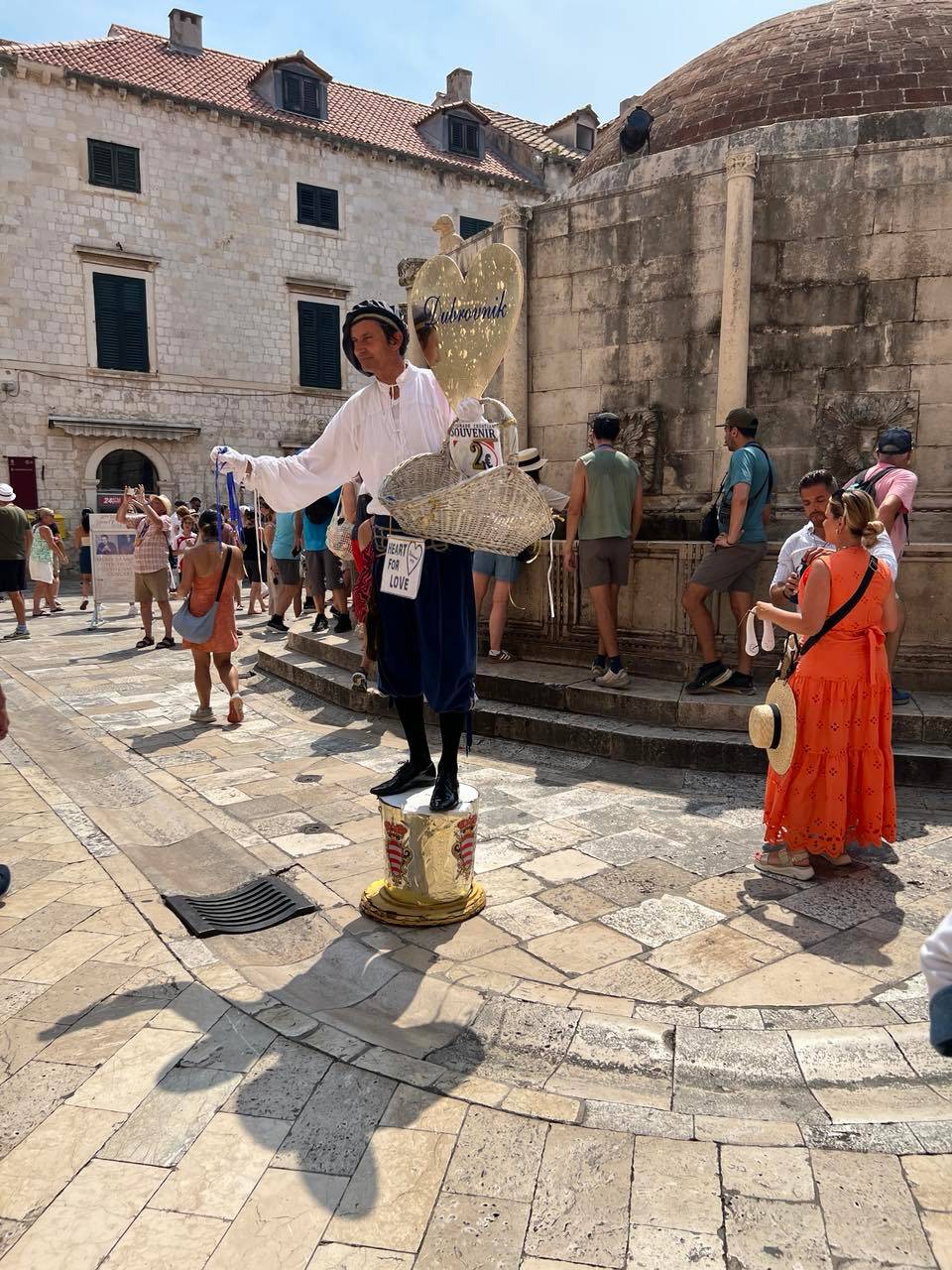
A STREET performer spreads positive energy with a Heart for Love sign.
Before temptations, our concerned guide pointed out another landmark — a red watchtower which rose above the surrounding rooftops. He was excited for us to hunt on our own and offered a simple advice: “If you ever got lost, just meet me by the red tower.” It was the tallest one in the area, so it served as the proverbial beacon of light. With all the additional maze of paths and lanes, it proved to be an excellent reminder.
Among the first sights we encountered and the visitor’s favorite was the Large Onofrio’s Fountain. Built as part of Dubrovnik’s water-supply system, it still provides clean drinking water. Its round basin and sixteen-sided design made it especially attractive — a magnet I must say — on a hot summer day.
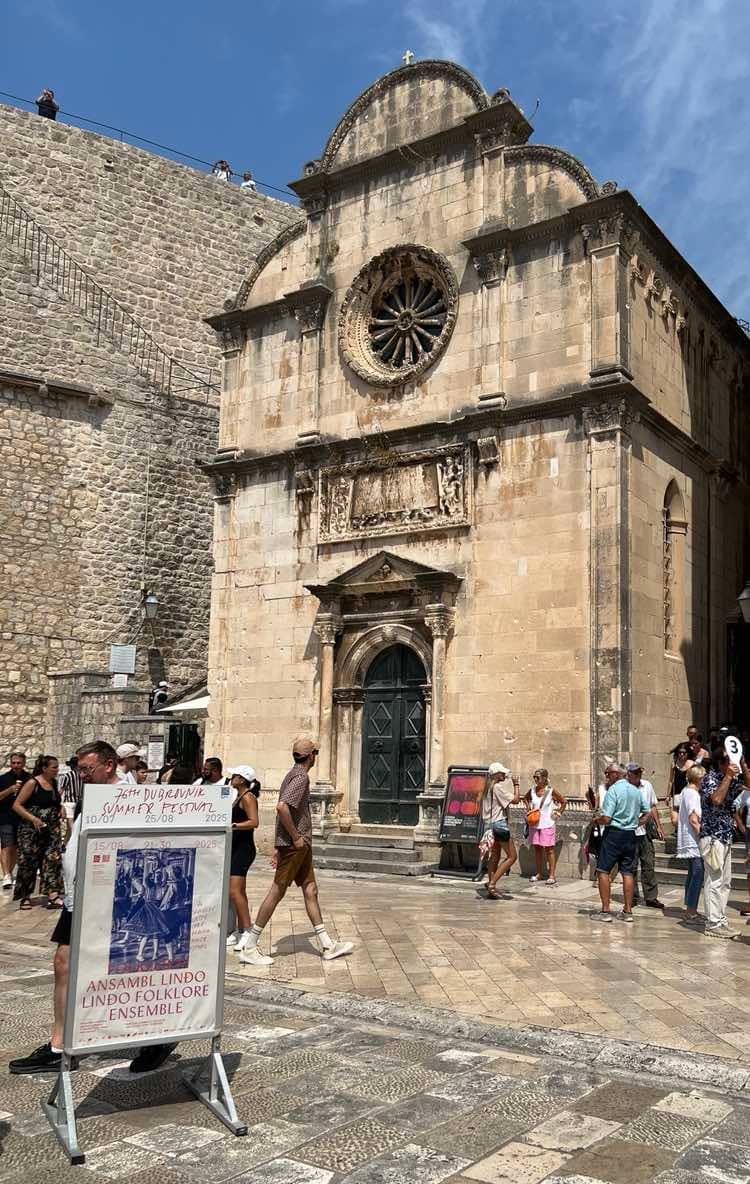
THE St. Saviour Church, right beside the Franciscan Church and Monastery.
There seemed to be a church around every corner — reminiscent of Old Intramuros during the Spanish colonization. The Franciscan Church and Monastery was especially memorable. Its cloister showcased elegant double columns, carved details, dreamy frescoes, and a functional-to-this-day fountain. The complex also housed a pharmacy which dated back centuries and remains operational — we even heard whispers it is among the oldest in the world. The adjacenat museum featured votive jewelry from the 17th to 19th centuries, masterfully forged by Dubrovnik goldsmiths and craftsmen.
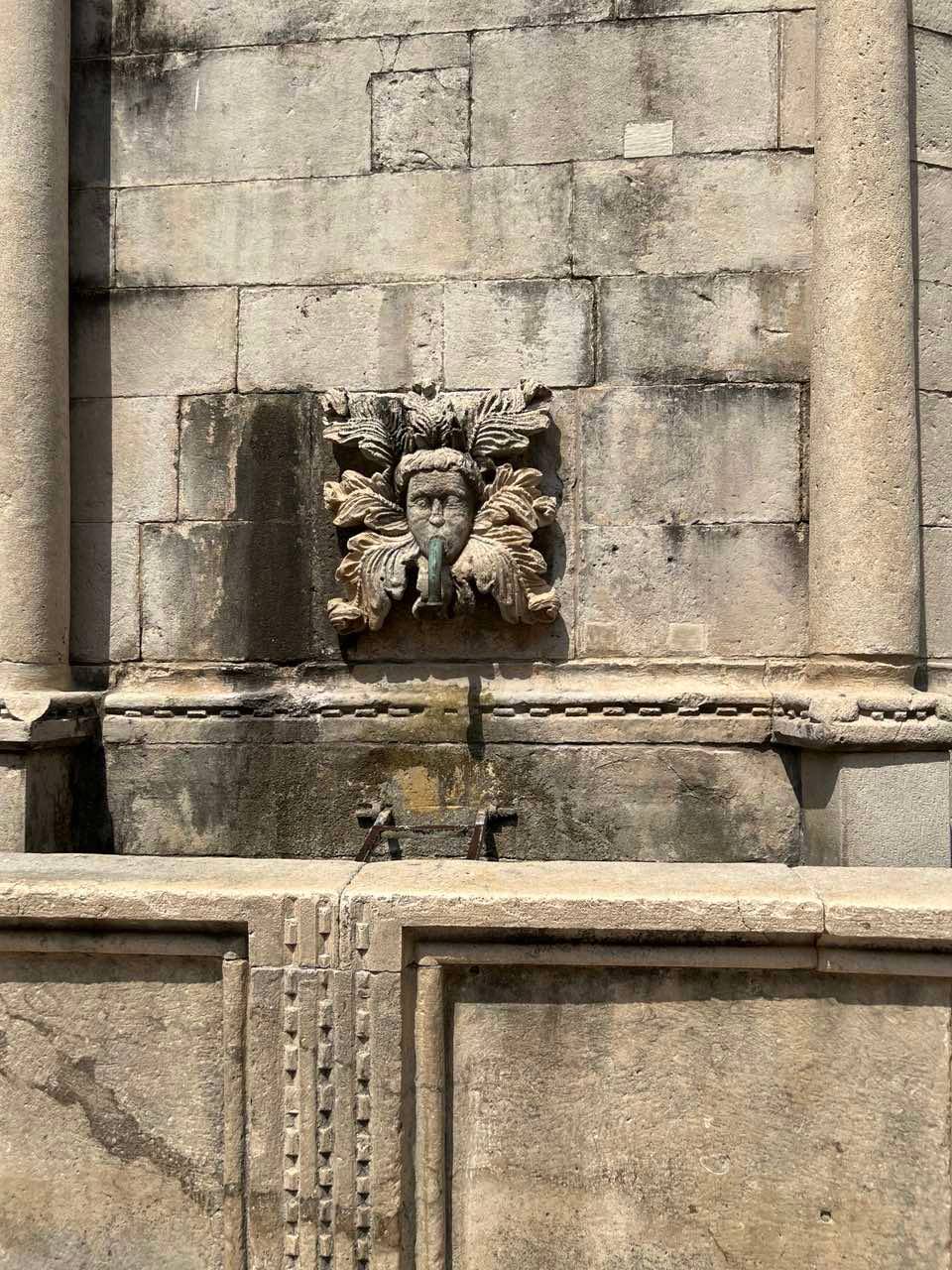
A CLOSE-up of a carved stone mask at the fountain.
The Church of Saint Blaise — dedicated to Dubrovnik’s patron of infants, builders, animals, and locally for illnesses of the throat — stands in the populated Loggia Square. We could not miss it due to the recognizable Orlando’s Column — a carved knight — which guarded the entrance. Indoors, we admired a Madonna and Child painting. A glass-enclosed reliquary caught our attention, as it contained skeletal remains within a wax figure attributed to Saint Silvan — a martyr of mysterious origin, as it seems no one could identify who this specific Silvan was.
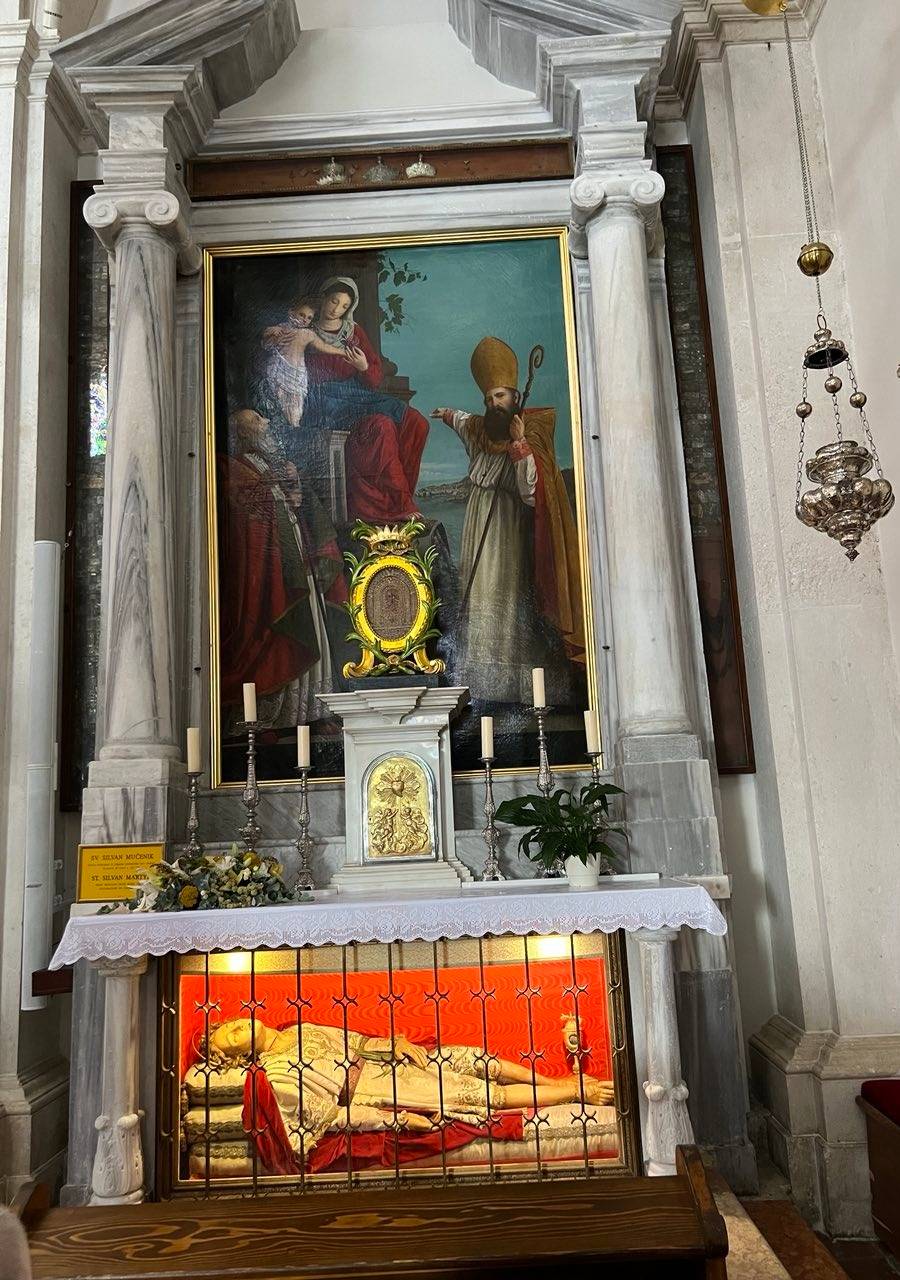
A MADONNA and Child painting with the skeletal remains of Saint Silvan enclosed in a wax sculpture below.
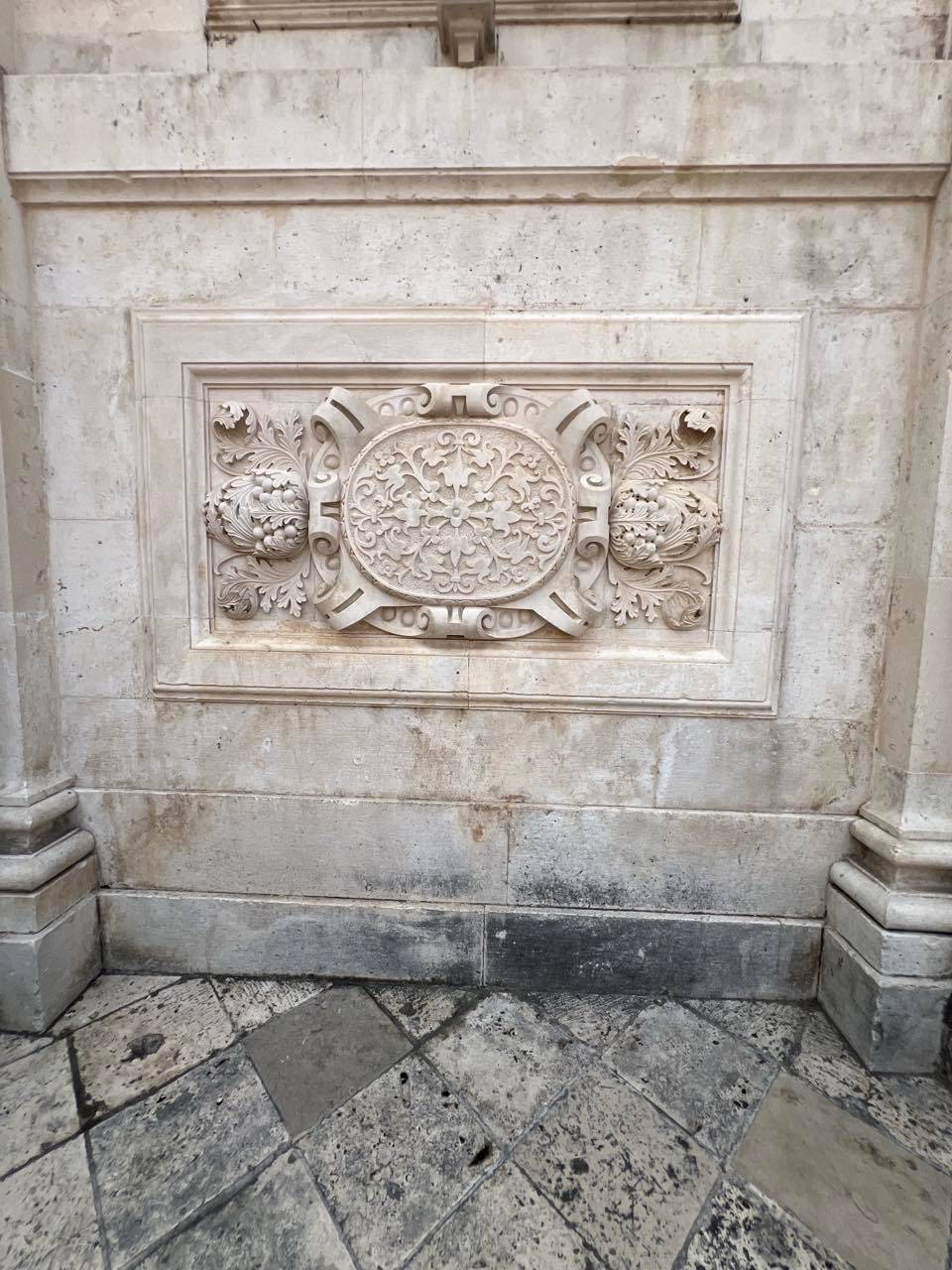
A BAS-relief embellishment along a House of Prayer.
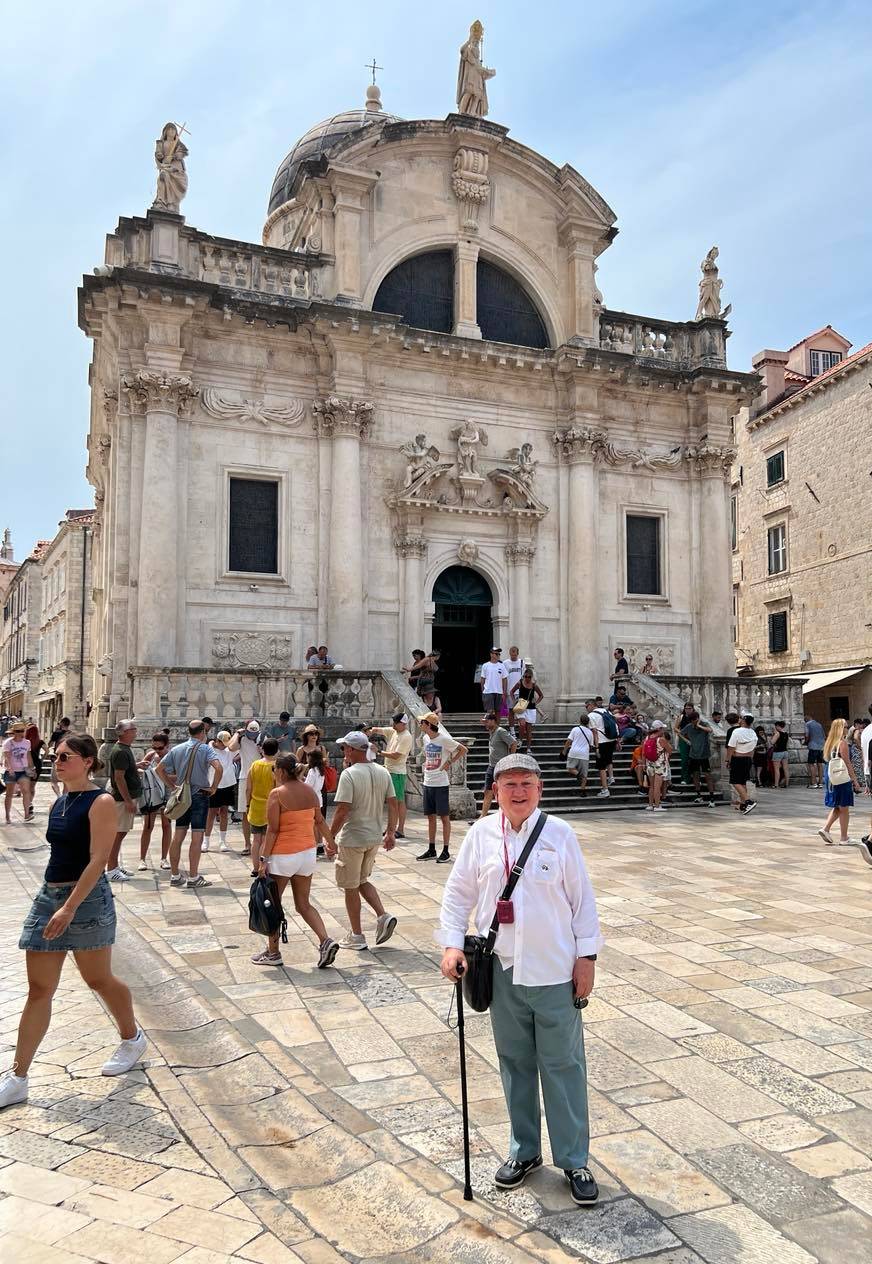
THE author by the St. Blaise’s Church.
Then came the Church of St. Ignatius of Loyola, a Baroque structure accessible through the famous Jesuit Steps, modeled after Rome’s very own famed Spanish Steps. Though we had climbed these before, this time around we practically decided getting older meant appreciating them from a more sensible distance.
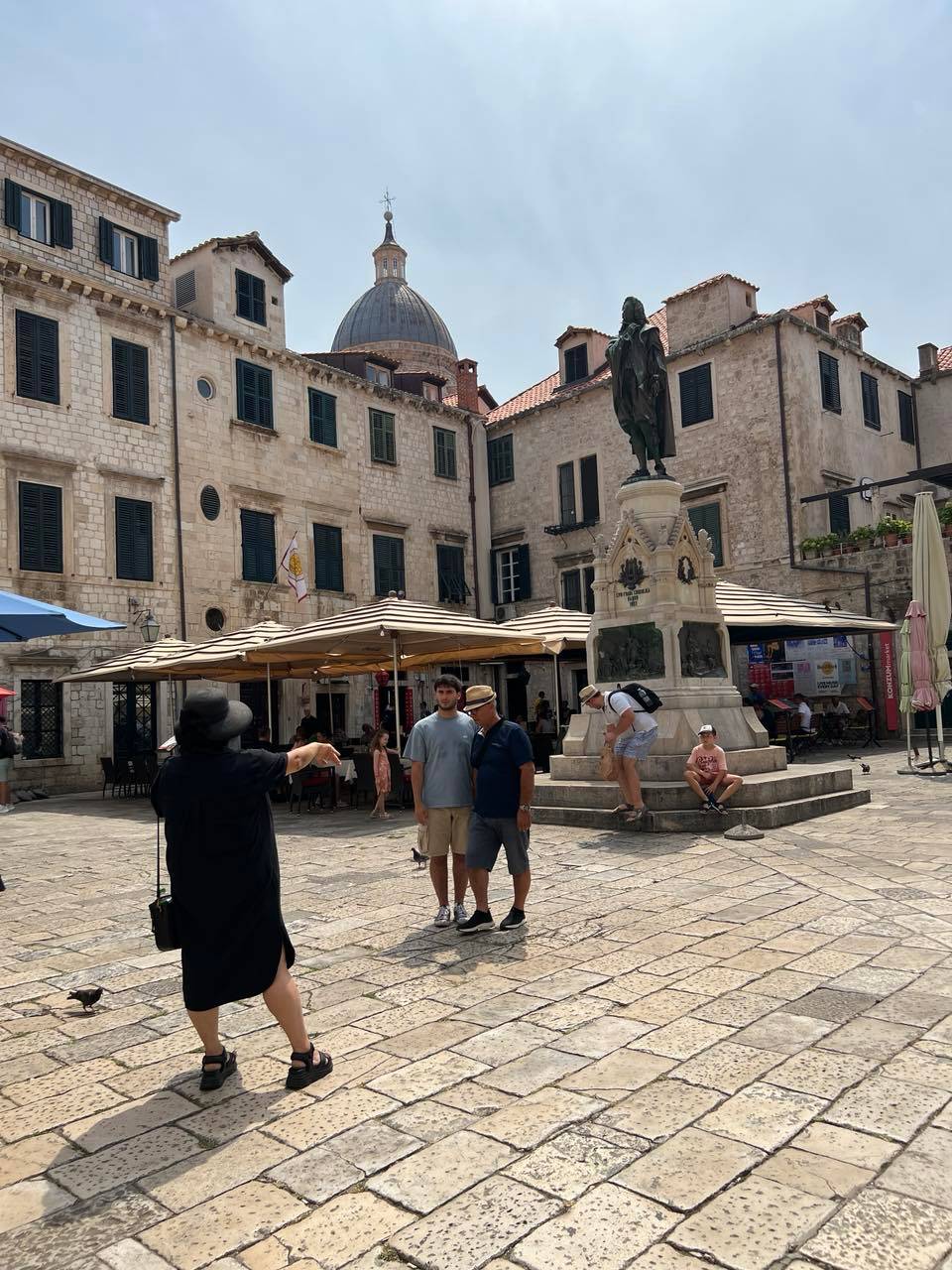
TOURSISTS pose near the monument of Baroque Poet Ivan Gunduli.
After whispering our prayers at the several Houses of God, we wandered past narrow lanes, small palaces, and tiny squares. The entire gang seemed to uncover different come-ons. We found handmade useful household ceramics and other little treasures ideal for pasalubongs. Along the way, we came across the statue of Marin Držic, one of Croatia’s finest Renaissance playwrights and prose writers, sometimes known as the Croatian Shakespeare.
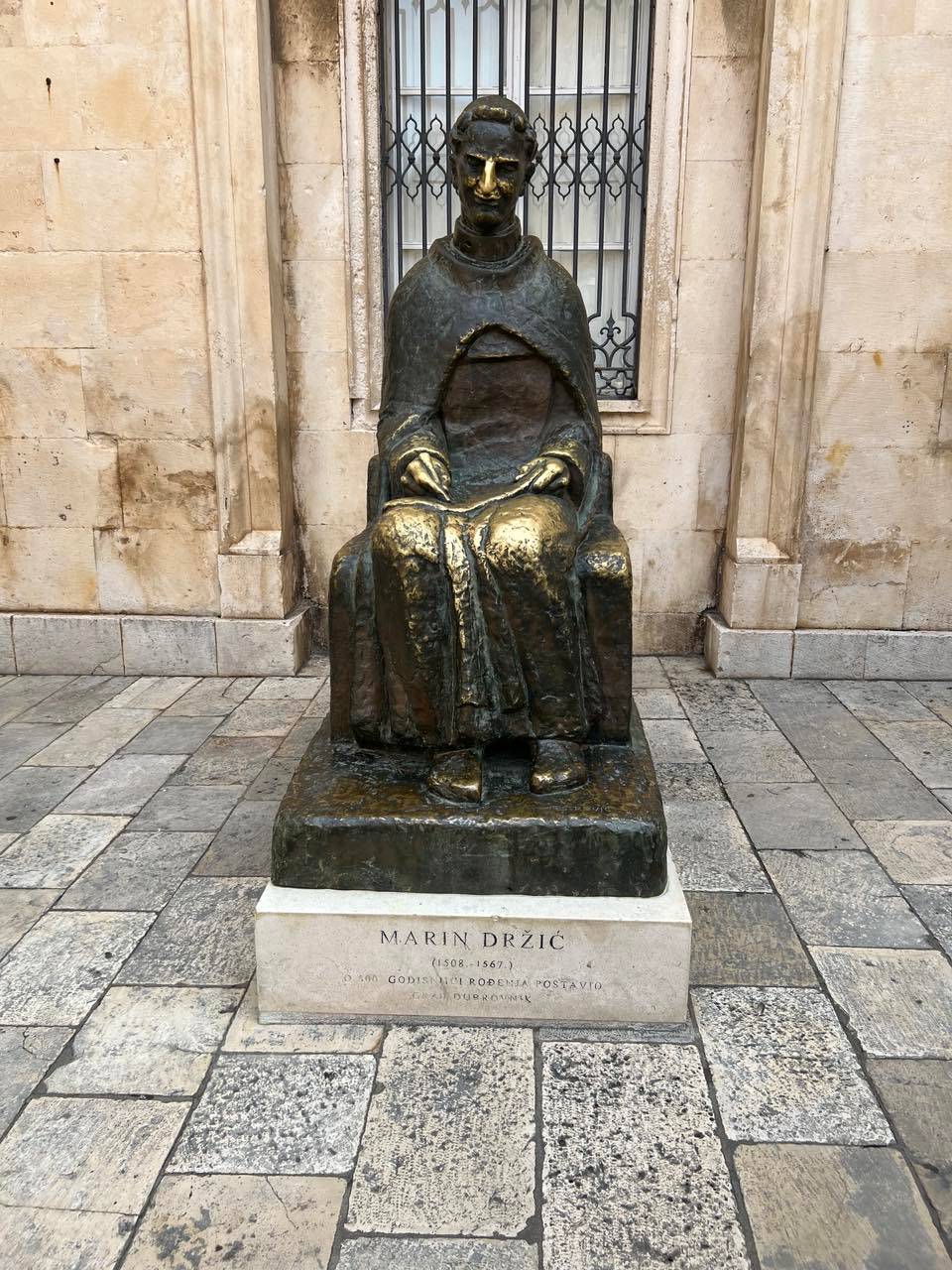
A MONUMENT of Renaissance playwright Marin Drzic, known as the Croatian Shakespeare.
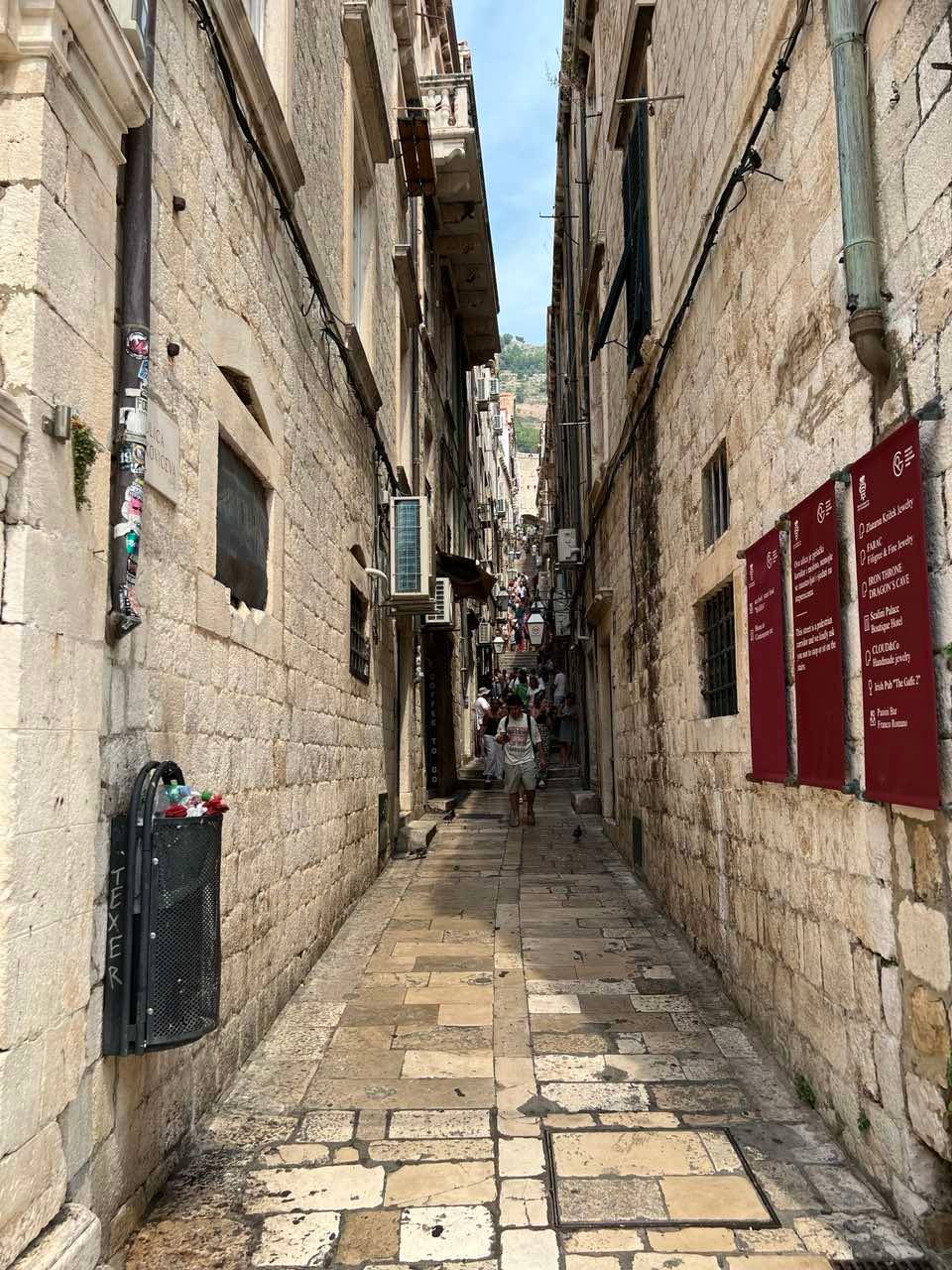
ONE of the several side streets
For fans of Game of Thrones, Dubrovnik has another identity. The Old Town became King’s Landing, while Fort Lovrijenac stood in for the Red Keep — the seat of power. Even the famous steps used in Cersei Lannister’s Walk of Shame were the same pathways we declined to ascend once more. Finally, we even chanced upon a graffiti which declared, “You call it King’s Landing, we call it home.”
Yet even without the universal television fame, Dubrovnik would still be unforgettable, simply beyond forgetting. Wherever we were on top of the stone walls and towers, on thoroughfares and alleys, the blue Adriatic Sea made its presence known. It was certainly a gentle reminder we would soon return to our ocean liner yet again, but better enriched due to eye-opening revelations and adored memories.
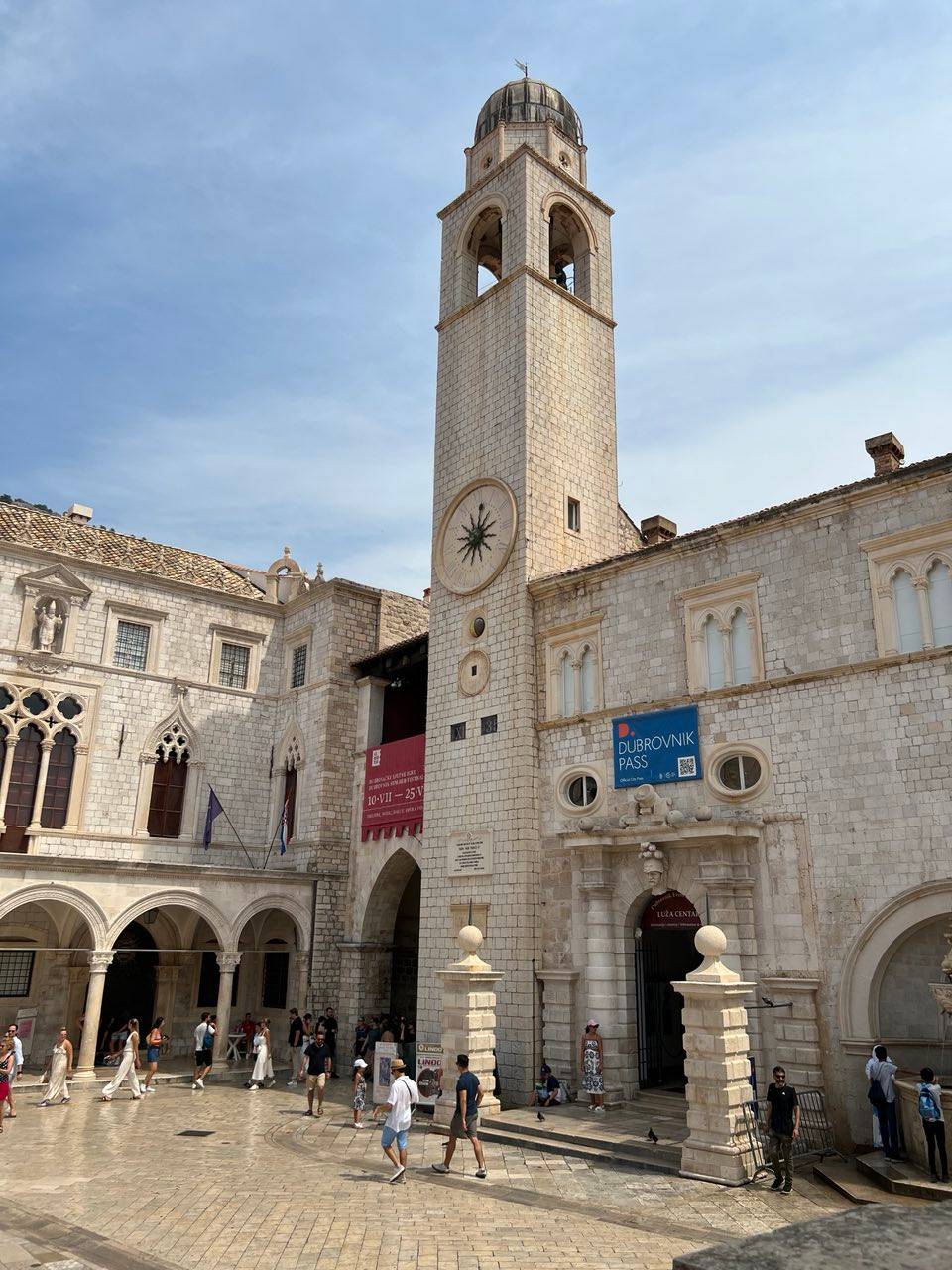
THE Dubrovnik Bell Tower.
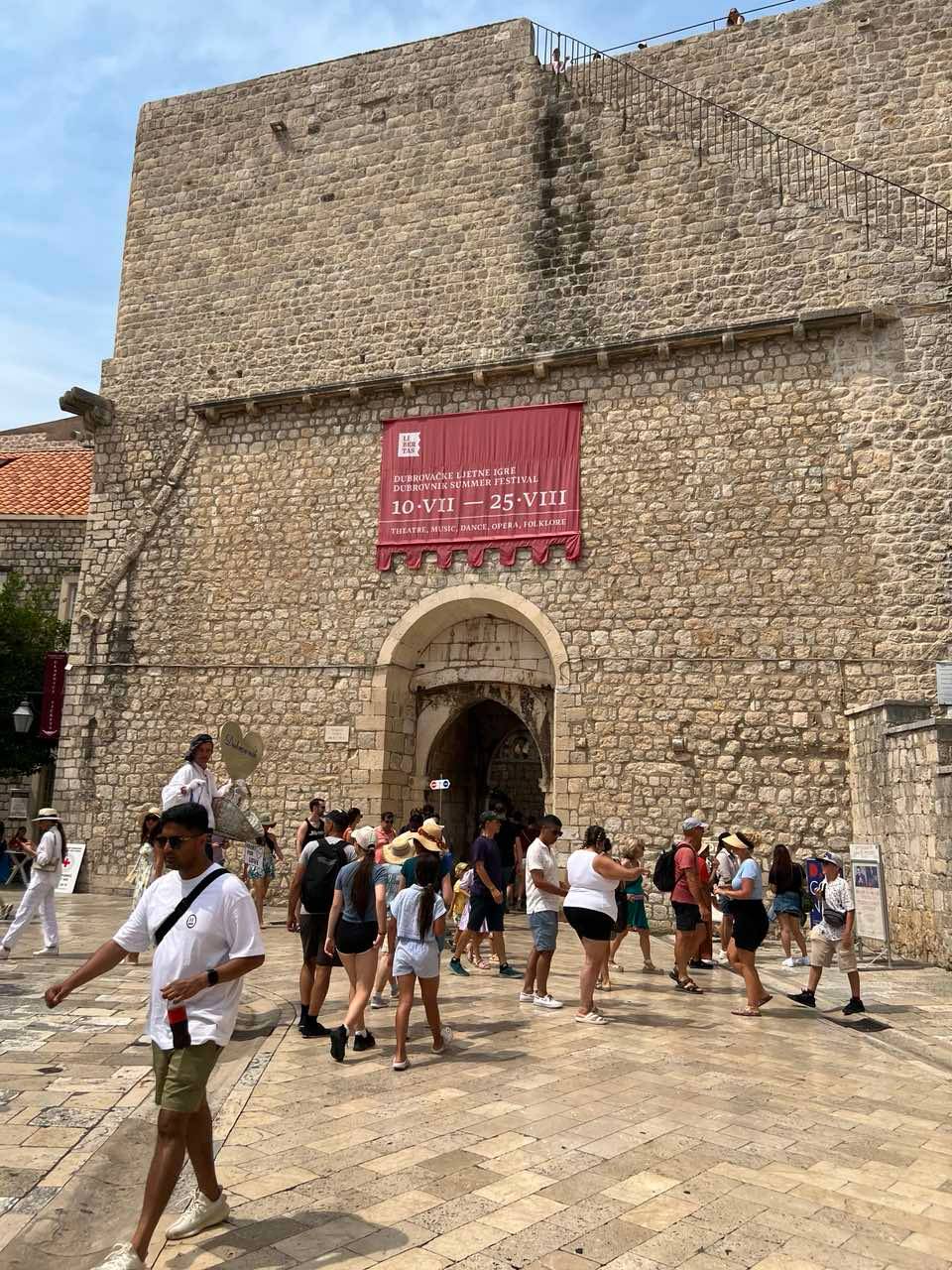
THE Pile Gate, a main entrance to the walled city.

SOUVENIRS and summer outfits for all.
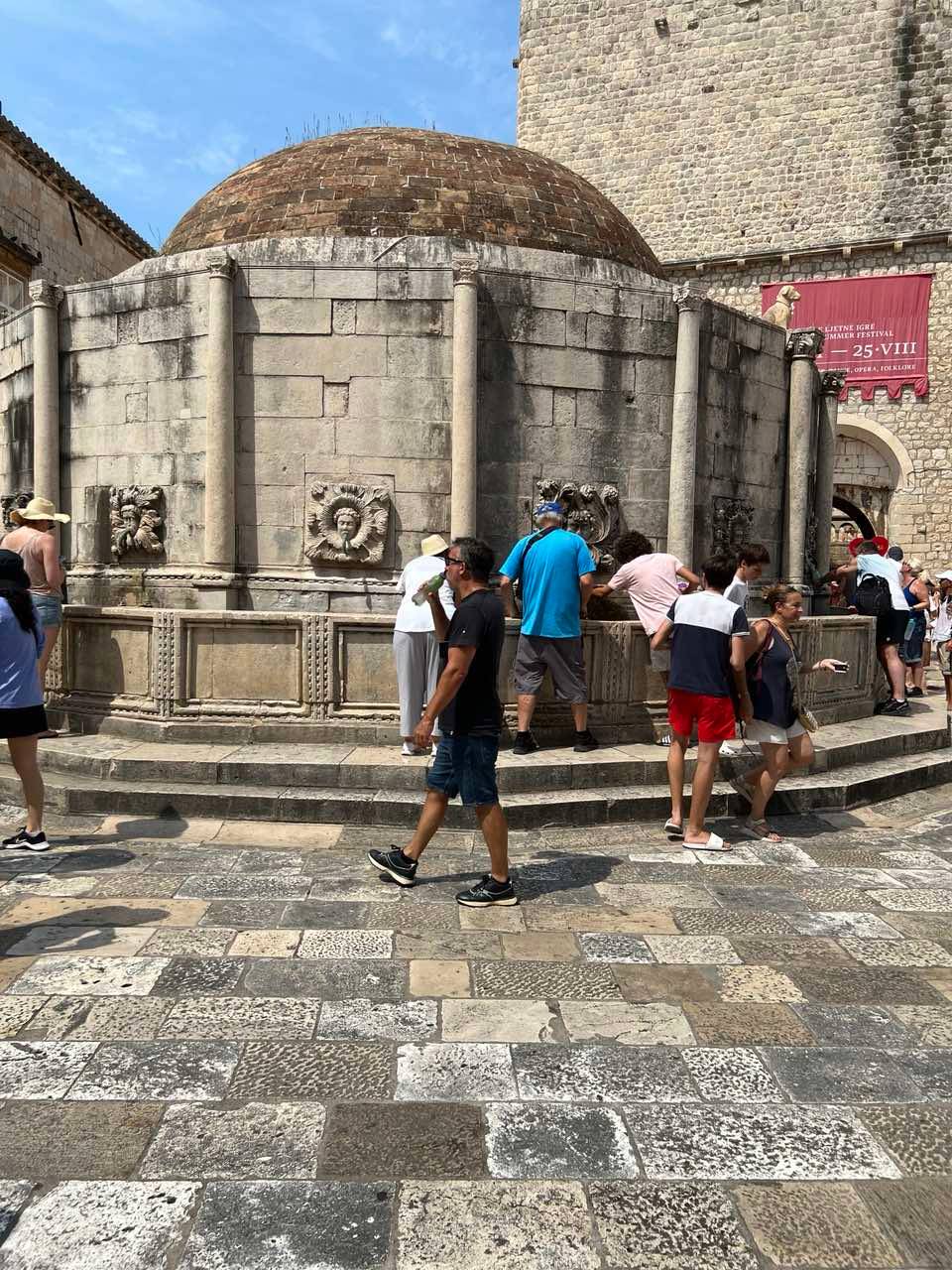
A CROWD gathers around The Large Onofrio’s Fountain to cool down.